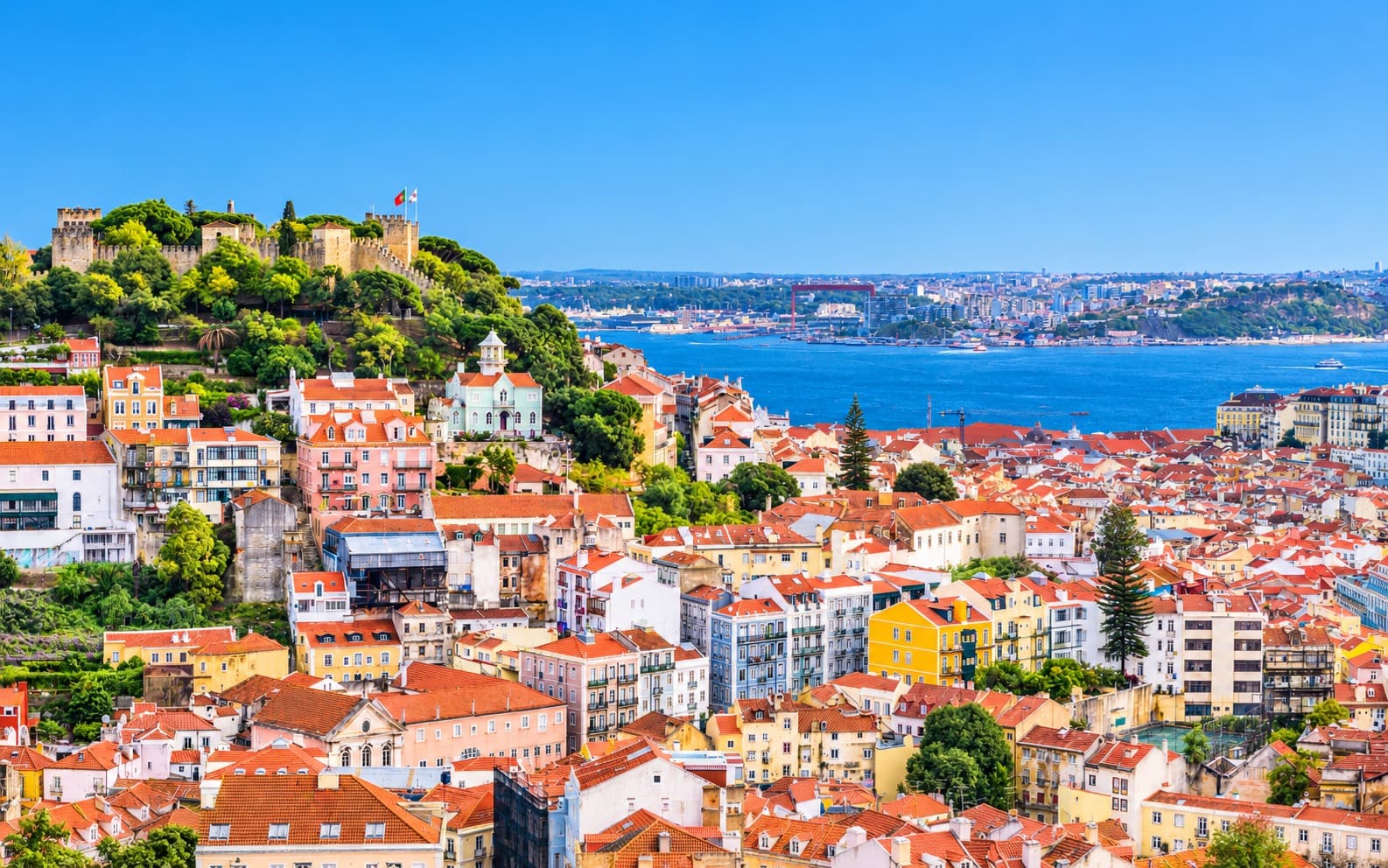
Search "golden visa countries" and most of what ranks is a museum. Articles still selling Spain's €500,000 route (closed in April 2025), still photographing Lisbon apartments as a path to residency (property hasn't qualified in Portugal since October 2023), still listing Ireland (shut since February 2023). The programmes changed faster than the content did, and the gap between the two is where buyers lose money.
So this is a different kind of list. It covers what's open right now, in mid-2026, for people whose plan is specific: buy a property, get the right to live somewhere. We'll also flag what closed, because the most expensive mistake in this niche is planning around a programme that no longer exists. HomeNSearch sells homes in 13 countries, several of them below, and residency rules are the second question our buyers ask, right after price.
What a golden visa is, and isn't
Strip the marketing and a golden visa is a residence permit granted for a qualifying investment. No employer sponsorship, no points system, no interview about your intentions. You put money into the country, the country lets you live there. The property version became the popular one for an obvious reason: the money doesn't vanish into a government fund, it sits in a house you can use, rent out (usually) and eventually sell.
Keep two categories separate, because sloppy articles blur them. Residency by investment gives you a permit, renewable while you hold the asset. Citizenship by investment gives you a passport outright; Turkey and a handful of Caribbean states run those. The obligations, the price and the politics around each are different, and the second kind is disappearing from Europe entirely.
Why most golden visa lists are out of date
The years 2022 through 2025 were a demolition. The UK scrapped its Tier 1 investor visa in February 2022. Ireland closed its Immigrant Investor Programme a year later. Portugal cut real estate from its golden visa in October 2023, under pressure from a housing crisis that had priced locals out of Lisbon and Porto. Spain watched the same politics play out and terminated its entire scheme on 3 April 2025. That same month, the EU Court of Justice ruled Malta's citizenship-by-investment programme illegal, ending the last passport-for-cash offer inside the Union.
Even Hungary, which launched a new guest investor visa in 2024, dropped its planned €500,000 residential property option before a single application was taken. In Western Europe the direction of travel is one way.
None of this gets edited into old articles. A piece written in 2021 can hold its ranking for years, collecting clicks and quietly misleading everyone who lands on it. We've had buyers arrive with a Spanish golden visa budget in hand, months after the programme died.
A one-line test for any golden visa article: if Spain is listed as open, or Portuguese property is offered as a route, the page is years out of date. Close it.
Greece: open, but the price depends on the postcode
Greece kept its golden visa and absorbed much of the demand Spain and Portugal turned away. What changed is the price map. Until 2024 the ticket was a flat €250,000 anywhere in the country; since 1 September 2024 there are three tiers, and the difference between them is the difference between a studio and a serious house.
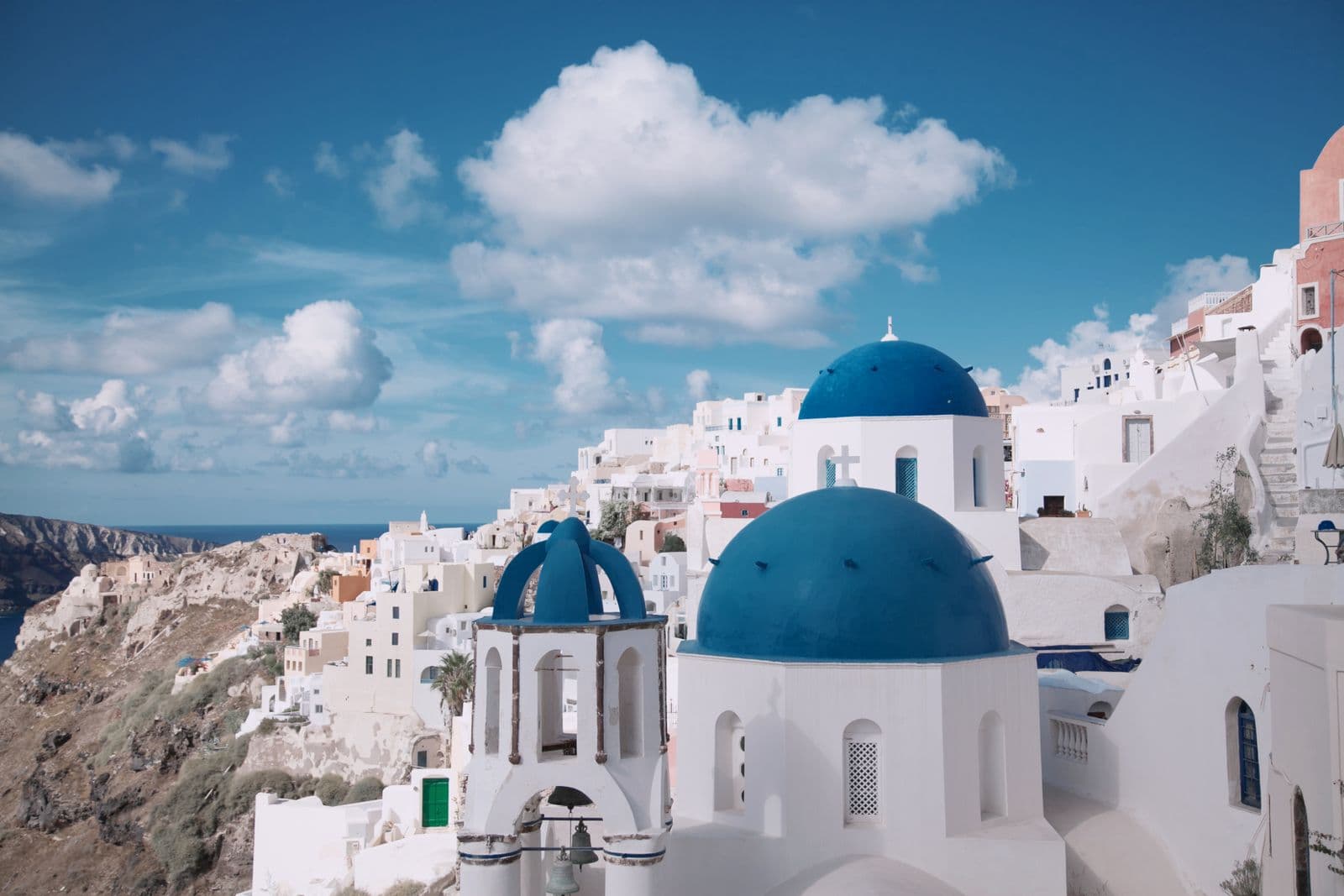
The €800,000 tier covers the places everyone asks about first: the whole Attica region around Athens, Thessaloniki, Mykonos, Santorini, and every island with more than 3,100 residents. Read that last clause twice, because it's the one outdated lists miss. Crete, Rhodes and Corfu all clear 3,100 people easily, so the big holiday islands sit in the top tier alongside Athens. The €400,000 tier is everything else: most of the Peloponnese, Halkidiki and the rest of the mainland coast, plus the genuinely small islands. In both tiers the money must go into a single property of at least 120 square metres. Stacking two or three small flats to reach the threshold, the classic tactic of the €250,000 era, is gone.
A €250,000 entry does survive through two narrow doors: convert a commercial building to residential use, or restore a listed heritage property. Both are real renovation projects with permits, contractors and delay built in, so treat the lower price as earned rather than found.
Two rules catch people who skim. A home bought under the programme can't be let short-term; put it on Airbnb and you risk losing the permit and paying a fine on top. And while the visa renews every five years with no minimum stay, it never quietly matures into citizenship. That takes seven years of actual, tax-resident life in Greece plus a language exam.
The permit covers your spouse, children under 21 and both sets of parents, and it opens the Schengen area for 90 days in any 180. Browse what the €400,000 tier buys in our Greece catalogue; outside Athens it's more than most people expect.
UAE: AED 2 million, ten years, no minimum stay
The UAE runs the busiest property-linked residency scheme in the world right now, and it moved in the opposite direction to Europe: rules got looser, not tighter. Own residential property worth AED 2 million, about US$545,000, and you qualify for a ten-year renewable golden visa. Spouse, children and even domestic staff come along as dependants, and no minimum stay is required to keep it valid.
The threshold is the value on the title deed, and Dubai lets you combine several properties to reach it. Off-plan homes from approved developers qualify. So do mortgaged ones; since early 2024 you no longer need to have paid down a set amount first, your bank simply issues a no-objection letter for the application.
The process itself is quick by residency standards. For Dubai property it runs through the Land Department: an eligibility check on the title, a medical test, biometrics for the Emirates ID, and the visa typically lands within weeks rather than months. Abu Dhabi and the other emirates operate parallel tracks on the same AED 2 million logic, so the choice of emirate is really a choice of market, not of programme.
Be clear about what you're buying, though. This is residency tied to an asset, not a road to a passport. The Emirates don't naturalise investors in any practical sense, and if you sell and drop below AED 2 million, the visa lapses with the property. In exchange: no income tax, no annual property tax (just a one-off 4% transfer fee at purchase), and gross rental yields of 6-8% in mid-market districts. Plenty of holders treat the visa itself as the yield.
Our UAE catalogue marks which listings clear the AED 2 million line on their own.
Cyprus: permanent residency with a new-build
Cyprus hands out permanent residency, not a temporary permit, and that one word changes the calculus. The fast-track route requires €300,000 plus VAT invested in a new residential property bought directly from a developer. First sale only. Resale homes don't qualify, which surprises roughly every second buyer who's already fallen for a ten-year-old villa in Paphos.
The rest of the file is about provenance and income. Funds must arrive from abroad, and you need to show secure annual income from outside Cyprus: €50,000 for the main applicant, another €15,000 for a spouse and €10,000 per dependent child. Approval usually lands within months, the status is permanent immediately, and keeping it demands exactly one thing: set foot on the island at least once every two years.
Two caveats we give every client. Cyprus isn't in Schengen, so this permit doesn't open European borders the way Greek residency does; accession has been called imminent for years and hasn't happened. And VAT decides the real price. The standard rate is 19%, but a reduced 5% applies to the first 130 square metres of a home you'll actually live in, subject to conditions. On a €300,000 purchase that's a €42,000 swing, worth structuring before you sign anything.
One more obligation arrived with the 2023 tightening: holders now confirm each year that the investment and the income behind the application are still in place, alongside a clean criminal record certificate. It's routine paperwork, not a trap, but ignore it and the permanency quietly stops being permanent.
Limassol, Paphos and Larnaca take most of this demand. Our Cyprus page shows what €300,000 buys in each, and the gap between the three cities is wider than you'd think.
Turkey: $400,000 buys citizenship, not just residency
Turkey belongs on this list with an asterisk, because it isn't offering residency. It's offering citizenship. Buy real estate with an officially appraised value of at least US$400,000, accept a three-year no-sale restriction written onto the title deed, and you can apply for a Turkish passport for yourself, your spouse and children under 18. Six to nine months is a normal timeline. No residence requirement, no language test, and dual citizenship is allowed.
The purchase is more supervised than a standard one. A state-licensed appraiser certifies the value, the money has to move through Turkish banks with the required currency-exchange paperwork, and the declared deed price must match reality. The old habit of under-declaring to save on transfer tax is fatal here: it voids the citizenship application.
The honest caveat is currency. The lira has spent a decade falling, so the question isn't whether a property clears $400,000 on the appraisal but whether it'll still be worth that when your three years are up. Prime Istanbul districts and established coastal markets around Antalya and Bodrum hold dollar value far better than mass-built suburbs priced for the passport trade. Buy the asset first and the citizenship second.
For completeness: Turkey also grants citizenship against a US$500,000 bank deposit or fund investment held for three years. Almost everyone picks the property route anyway, because a flat in Kadikoy at least pays rent while it waits.
Montenegro: any home, a renewable permit
Montenegro is the minimalist option. No threshold at all: own a habitable residential property registered in your name and you can apply for a temporary residence permit, issued for a year and renewable for as long as you keep the home. For buyers on the Bay of Kotor or in Budva this is often a side effect of a holiday-home purchase rather than the reason for it.
The application is filed in person, wants health insurance and proof you can support yourself, and stays tied to that specific property. Sell the home and the basis for the permit goes with it.
Know what it isn't. The permit lets you live in the country but carries no fast lane to a passport, and the citizenship-by-investment scheme people half-remember closed at the end of 2022. The long game here is EU accession. Montenegro is the furthest-advanced candidate, and owners who've built up years of legal residence before membership arrives will be sitting well if it lands.
Georgia: $100,000 and some of the lightest paperwork anywhere
Georgia grants a residence permit to foreigners who own real estate appraised at US$100,000 or more, confirmed by a certified local valuation. The bureaucracy is famously thin. Registering a purchase takes a day at a public service hall, the permit process is measured in weeks, and family members can apply alongside the owner.
One quirk makes the permit less urgent than it sounds: nationals of nearly a hundred countries can stay in Georgia visa-free for a full year at a time anyway. The permit earns its keep when you want to settle properly, open local bank accounts or run a business without annual border runs. And at Batumi prices, US$100,000 still buys a good seafront apartment, which stopped being true in most of coastal Europe long ago.
The rest of the field, briefly
A few programmes deserve a line each. Latvia still trades a residence permit for €250,000 of property plus a state duty; volumes are small but the door is open. Malta's permanent residence programme runs on a home you rent or buy plus a government contribution, and it survived the court ruling that killed the island's passport scheme. Hungary's revived investor visa works through licensed real estate funds at €250,000, not through buying a flat yourself.
Across the Atlantic, five Caribbean states (St Kitts and Nevis, Antigua, Dominica, Grenada, St Lucia) sell citizenship with approved resort real estate as one of the payment options; prices start around US$200,000 and climbed sharply after 2023 under US and EU pressure. And the American EB-5, which gets shoehorned into these lists constantly, isn't a property programme at all. It's a job-creating business investment from US$800,000. Buying a condo in Miami earns you a condo in Miami.
Portugal and Spain: buying is fine, papers come separately
Neither country restricts foreigners from buying property. What's gone is the exchange of property for papers.
Portugal's golden visa survives on other fuel: investment funds from €500,000, donations to culture or research from €250,000, and job-creation routes that few use. Its five-year path to citizenship is the shortest in Western Europe, which keeps the fund route busy. Buyers who mainly wanted to live in Portugal tend to do better on the D7 visa, which asks for stable passive income pegged to the national minimum wage rather than capital, or on the D8 for remote workers.
Spain offers no investment route at all since April 2025. The non-lucrative visa (passive income of roughly €2,400 a month for the main applicant, no working in Spain) and the digital nomad visa carry the load instead. You can hold either alongside a Spanish home; the home just no longer does the qualifying.
Choosing a route, and checking anyone's list
Set side by side, the open programmes sort themselves by what you're optimising for. Schengen access without relocating: Greece from €400,000. A tax-free base you'll actually use: the UAE at AED 2 million. Permanent status in an EU country at the lowest entry: Cyprus at €300,000 plus VAT. A second passport: Turkey at US$400,000. A coastal foothold on a modest budget: Montenegro or Georgia, where the property is the point and the permit is the bonus.
Before acting on any list, this one included, run the same five checks we would:
- Find the publication date. In this niche, anything over a year old is history, not guidance.
- Verify the programme on a government source, not an agency page with a sales funnel attached.
- Check for regional tiers. A single headline figure for Greece has been wrong since September 2024.
- Ask what the property can't do. Greece bans short-term letting on golden visa homes.
- Ask when you're allowed to sell. Turkey locks the title for three years.
Rules moved in every programme on this page between 2023 and 2026, and they'll move again. HomeNSearch tracks them across the 13 countries we cover, and our local teams tend to hear about draft changes from lawyers on the ground before they become law. If you want a shortlist stress-tested against your budget, passport and tax position, ask us. That conversation costs nothing. Unwinding the wrong €400,000 purchase does not.
Frequently asked questions
Which countries still grant residency for buying property in 2026?
Greece (from €400,000 in most regions, €800,000 in Athens and the marquee islands, €250,000 for conversion or restoration projects), the UAE (AED 2 million), Cyprus (€300,000 plus VAT in a new-build), Montenegro (any registered home), Georgia (US$100,000) and Latvia (€250,000, small but functioning). Turkey goes a step further and grants citizenship at US$400,000. Several Caribbean states sell citizenship with real estate options too, though those are passport programmes rather than places most buyers plan to live.
Can I still get a golden visa in Spain or Portugal?
Not through property. Spain ended its golden visa entirely on 3 April 2025. Portugal's programme still runs, but real estate hasn't qualified since October 2023; the live routes are funds from €500,000 and cultural donations from €250,000. If the goal was living there rather than investing, Spain's non-lucrative visa and Portugal's D7 are the honest substitutes, both based on income instead of capital.
What's the cheapest way to get European residency through property?
Montenegro, where any habitable home supports a renewable permit with no minimum price. Inside the EU, Greece's €250,000 conversion-and-restoration route is the floor if you'll take on a project. Otherwise it's Cyprus at €300,000 plus VAT for permanent status, then Greece's €400,000 tier for Schengen mobility.
Does a golden visa lead to citizenship?
Not by itself, anywhere. Greece asks for seven years of real residence plus a language exam. Cyprus counts years physically spent on the island. Portugal is the outlier at five years, which is why its fund route stays busy even without property. Turkey skips the queue and grants citizenship directly against the $400,000 purchase. The UAE, for all practical purposes, doesn't naturalise investors at all.
Do I have to live in the country to keep the visa?
Mostly no, and that's the product. Greece sets no minimum stay. The UAE only requires that you keep the qualifying property. Cyprus wants one visit every two years. Montenegro is the exception; its permit assumes you're genuinely around, and renewals get harder if you never are. Turkish citizens, of course, owe no residence to anyone.