Thailand doesn't have one property market. It has at least six, and they behave so differently that advice written for Phuket is nearly useless in Pattaya. Flight connections, rental seasons, the split between condos and villas, even who your tenants will be: all of it changes when you cross to another coast.
This comparison covers the three places foreign buyers ask about most, Phuket, Pattaya and Koh Samui, then adds shorter profiles of Bangkok, Hua Hin and Chiang Mai. Deliberately, no prices. Listings move, and a figure that's accurate in March misleads by October. What stays true is the relative gap between markets and the character of each one, and that's enough to build a shortlist. Live availability for all of them sits on the HomeNSearch Thailand page.
One rule shapes the whole decision
Foreigners can't own land in Thailand. Not with a visa, not through marriage, not by waiting. That single rule splits every market below into two products. Condos you can hold freehold in your own name, provided foreigners own no more than 49% of the building's saleable area. Villas are different: the house can be yours, but the land under it sits on a registered lease (30 years, with renewal clauses of varying strength) or inside a Thai company, which is legitimate when the company does something real and risky when it's a pure holding shell.
So every location choice is really two questions at once. Where do you want to be, and does that place push you toward the condo route or the villa route? Phuket and Samui are villa markets at heart. Pattaya and Bangkok are condo markets. That difference matters as much as the geography. The mechanics, from quota checks to lease registration, are covered in our guide on how foreigners can buy property in Thailand. Here we'll stick to the where.
Before you transfer a deposit on any condo, ask the building's juristic office for written confirmation of the current foreign-quota balance. It takes a day, and it has saved more than one buyer from a unit they could never have registered.
Phuket: the all-rounder
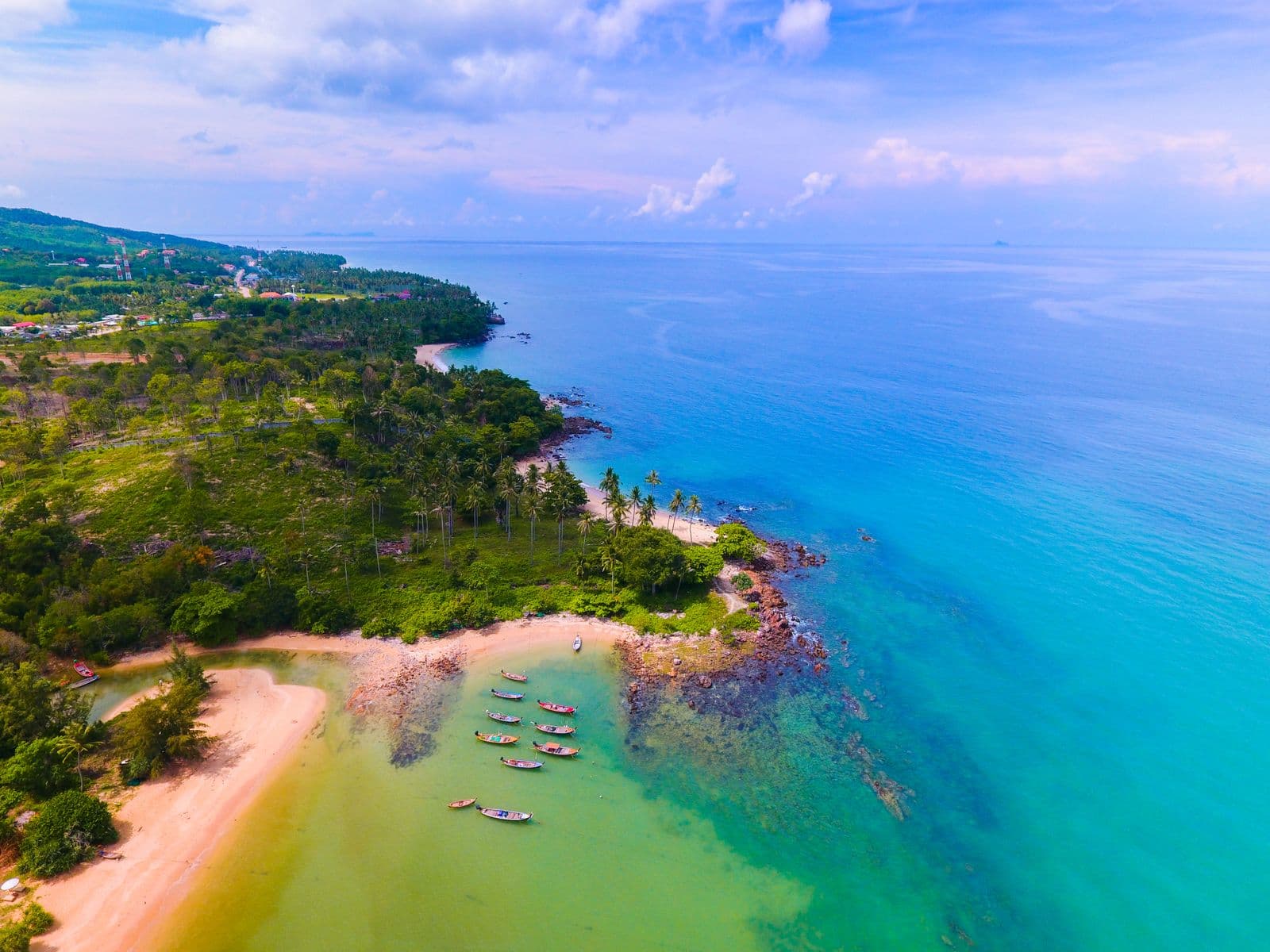
Phuket is the largest resort market in the country and the only Thai island whose airport takes direct long-haul flights. In high season you can fly in from the Gulf, from much of Asia and from several European cities, and that airlift is the quiet engine behind everything else: the longest rental season in Thailand, the deepest pool of holiday tenants and the biggest villa-lease market anywhere in the kingdom.
The island sorts itself by coast. Bang Tao and the Laguna area carry the established premium villa stock, with resort-grade management on the doorstep. Kamala's hillsides hold some of the most expensive sea-view addresses in the country. Patong is the nightlife engine and trades at a discount to its own view; you buy there for rental traffic, not for peace. The south around Rawai and Nai Harn runs slower and suits long-stay families who want a local feel. Pure condo investors tend to cluster around Bang Tao, Surin and the corridor near the airport, where branded residences and rental-programme launches concentrate.
Who is it for? Buyers who want one purchase that does everything. A well-chosen Phuket property rents most of the year, resells to the widest audience in Thailand, and works as a family base because international schools and private hospitals are already on the island. The trade-offs are real, though. It's the most expensive of the three markets by a clear margin, traffic between coasts crawls, and some condo segments have run ahead of demand in recent launch cycles. The southwest monsoon also softens the beaches from roughly May to October, which is why the rental calendar, long as it is, still peaks hard from November to April.
Pattaya: value and volume
Pattaya's case is simple. It sits about two hours by motorway from Bangkok, which no island can say, and its condo market gives you more built space near a beach for less money than anywhere else in this article. That's the whole pitch. For plenty of buyers it's enough.
The city runs on volume. Bangkok residents drive down on weekends all year, and international tour traffic keeps short lets occupied through months when the islands go quiet, so the rental profile is flatter and less seasonal than Phuket or Samui: fewer spectacular peak weeks, far fewer dead ones. Expat infrastructure is dense in a practical way. International hospitals, malls, golf courses in several directions, and a settled foreign community that has been there for decades. There's a structural tailwind too: the Eastern Economic Corridor keeps money flowing into the region's roads and rail, and U-Tapao airport south of the city is slowly growing into a real international gateway. None of that guarantees appreciation. It does underpin the tenant base.
Character depends on where you stand. Central Pattaya has the nightlife reputation and has earned it. Jomtien, one headland south, is a different town: a long beachfront strip of mid-rise condos, families on the sand, markets in the evening. Wongamat and Naklua to the north form the quiet upscale corner. Now the trade-offs. The sea is not Thailand's prettiest, the city's image needs explaining to some future buyer of your unit, and every resale competes with a constant stream of new launches. Buy something scarce — a genuine sea view, a walkable beachfront, a low-density block — or accept slow appreciation.
Koh Samui: the boutique island
Samui is the counterweight to Phuket. Smaller and greener, with coconut plantations still standing between developments and a building code that has kept towers off the skyline. Villas on hillsides with sea views dominate the market, and the condo scene stays modest. If Phuket is an industry, Samui is still a collection of neighbourhoods.
Those neighbourhoods differ usefully. Chaweng is the busy commercial centre and the closest thing to Patong. Bophut, with its Fisherman's Village, is boutique Samui at its best: restaurants on the water, a walkable evening scene, families welcome. Maenam stays quiet and residential; Lamai sits in between. Buyers here skew toward families and retirees who found Phuket too loud, while honeymooners sustain a strong upmarket short-let niche.
Two structural quirks define the investment case. First, access. Samui's airport was built and is run by Bangkok Airways, capacity is limited and fares carry a premium, so most arrivals are either wealthy or committed. That caps mass tourism, protects the island's tone and limits the size of your tenant pool, all at once. The fallback route, ferry via Surat Thani, eats the better part of a day from Bangkok. Second, the weather runs on the opposite cycle to Phuket. Samui sits in the Gulf, its wettest stretch lands roughly between October and December, and the long dry season carries from January deep into August. A Samui villa earns through months when Andaman-coast properties sit under rain.
The honest downsides: resale takes longer because the buyer pool is smaller, build quality varies more than in Phuket's established estates, and serious medical care often still means a flight. Survey aggressively, and stay in the established north-east quadrant unless you know the island well.
The rest of the shortlist
Bangkok
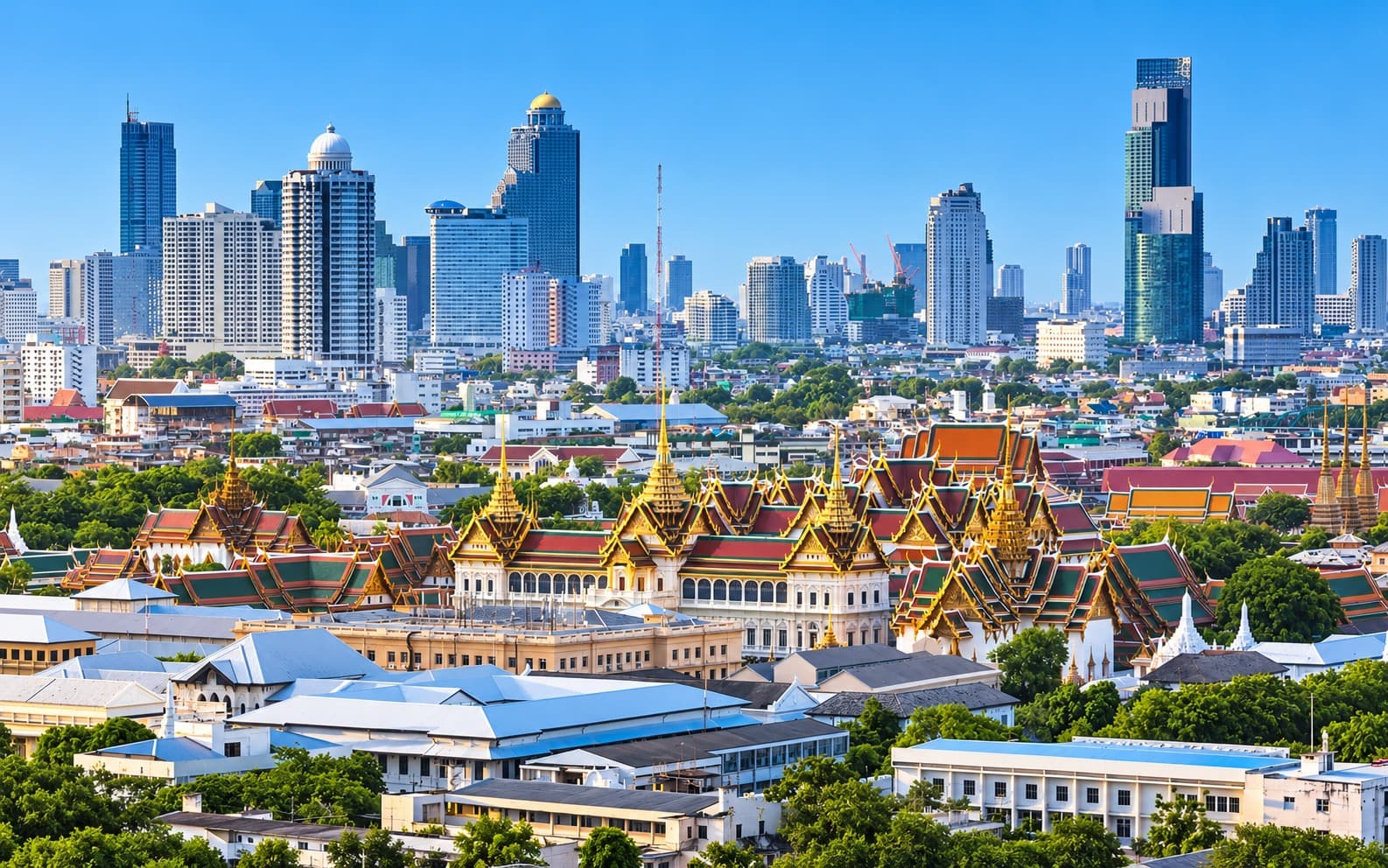
The capital is the only market here that runs on long lets. Tenants are professionals on one-year contracts, demand barely notices the seasons, and the resale market is the deepest in the country, which makes Bangkok the easiest exit in Thailand. Watch one mechanic closely: in hot launches the 49% foreign quota can fill during the first sales weekend, and quota units later resell to foreigners at a premium over otherwise identical Thai-quota stock. District selection is everything, because oversupply arrives in waves wherever a new transit line opens.
Hua Hin
A royal seaside town within a comfortable drive of Bangkok, and it feels like it: calm, orderly, heavy on golf, with a large settled retiree community and weekend traffic from the capital instead of package tourism. The market is low-rise and land-heavy, so the leasehold-or-company question follows you everywhere. Short-let income runs thinner than in the party towns. People buy Hua Hin to live in it.
Chiang Mai
The lowest entry point in this article and the capital of the north. No sea, which removes the holiday-let economy almost entirely; rental demand comes from long-stay digital nomads, students and retirees. November to February is glorious. February to April is burning season, when field fires push air quality to unhealthy levels, and you should visit in exactly that window before committing, not after.
Verdicts by buyer type
One habit separates happy owners from regretful ones in every one of these markets: visit in the low season. Phuket in September, Samui in November, Chiang Mai in March. If you still like the place at its worst, buy with confidence. A surprising number of purchases happen in February sunshine and get regretted in the rain. With that said, here's how the six stack up for the four buyers we meet most often.
The yield investor
Pattaya for gross short-let numbers at a low entry ticket; the flat season and Bangkok weekend traffic do the work. Bangkok if you'd rather hold steadier long-let income with the fastest resale. Phuket is the premium play: a managed villa lease can perform well, but you're underwriting a bigger ticket and a seasonal calendar.
The holiday-home family
Phuket, in most cases. Direct flights matter enormously with children, and the schools and hospitals mean the house can grow into more than a holiday base later. Samui if you want quieter and will pay the airfare premium. Jomtien is the budget answer that still works.
The retiree
Hua Hin for calm and proximity to Bangkok's hospitals. Samui for island life at a gentler pace, accepting the medevac question. Phuket splits the difference with full infrastructure on the island itself. And Pattaya's retiree community is huge for a reason: it's the cheapest of the four to live in comfortably.
The digital nomad
Chiang Mai on cost and community, eyes open about the smoke months. Bangkok for everything else. The islands are where nomads visit rather than buy; if that's you, rent for a full year first, then decide. When you're ready to compare live listings across all six markets, the HomeNSearch catalogue filters by country and property type.
FAQ: where to buy property in Thailand
Which is better for rental income, Phuket or Pattaya?
They win different games. Pattaya usually posts the stronger gross percentage because entry costs are low and demand runs year-round. Phuket generates larger absolute income per property, especially in the villa segment, but its earnings concentrate between November and April. Decide first which you're chasing: percentage yield or total return.
Can foreigners buy a house in Phuket or Samui?
The building, yes; the land, no. In practice villa buyers register a 30-year lease over the land or hold it through a Thai company, and the company must be a genuine operating structure, not an empty shell. Condos remain the only route to freehold in your own name, inside the 49% foreign quota per building. Take independent legal advice before signing either structure.
Where do prices start lowest?
Chiang Mai has the lowest entry point overall, and Pattaya the lowest among the beach markets. Phuket sits at the top, with Samui below it but above Pattaya for anything holding a sea view. Bangkok covers the widest spread of any market in the country, from far-flung studios to central penthouses.
Is Koh Samui harder to resell than Phuket?
Generally, yes. Samui's buyer pool is smaller and reaching the island costs more, so even a fairly priced villa can wait noticeably longer for its buyer. Phuket's bigger market and stronger airlift make it the most liquid resort market in Thailand. Buy Samui because you want Samui, not because you need a fast exit.