
Property in Argentina
Foreigners buy property in Argentina on the same terms as Argentines: an apartment in Buenos Aires needs no residency, visa or special permit. Almost all of our listings are in the capital, mostly apartments in Puerto Madero, Palermo and Belgrano, in new developments and on the resale market. Prices are quoted in US dollars, as everywhere on the Argentine market. On HomeNSearch, small flats of 30–40 m² in Almagro, Palermo and Belgrano start at around USD 120,000, while river-view apartments in Puerto Madero reach USD 2–3 million.
Every purchase goes through an escribano, a public notary who checks the title and any debts on the property, draws up the deed (escritura) and registers it. The buyer usually chooses the escribano. You will also need an Argentine tax number: since March 2026 non-residents are issued a CUIT, which replaced the CDI. A local representative with power of attorney can obtain it for you, so there is no need to fly to Argentina for it.
Buenos Aires is a city of apartments. Puerto Madero, the former docklands on the Río de la Plata, has the newest towers and the highest prices. Palermo and Belgrano are green residential districts with large parks; Almagro is cheaper and closer to the centre. Since the end of 2023, landlords and tenants can agree rental terms freely, including rent in US dollars.
Top properties in Argentina
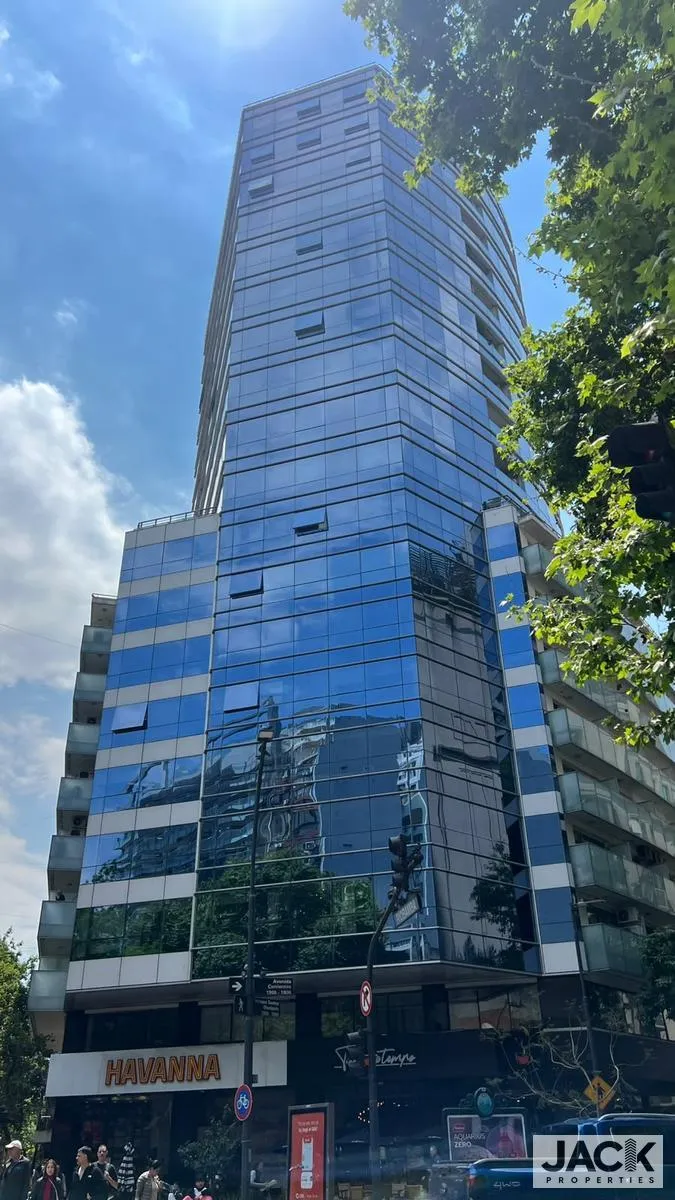
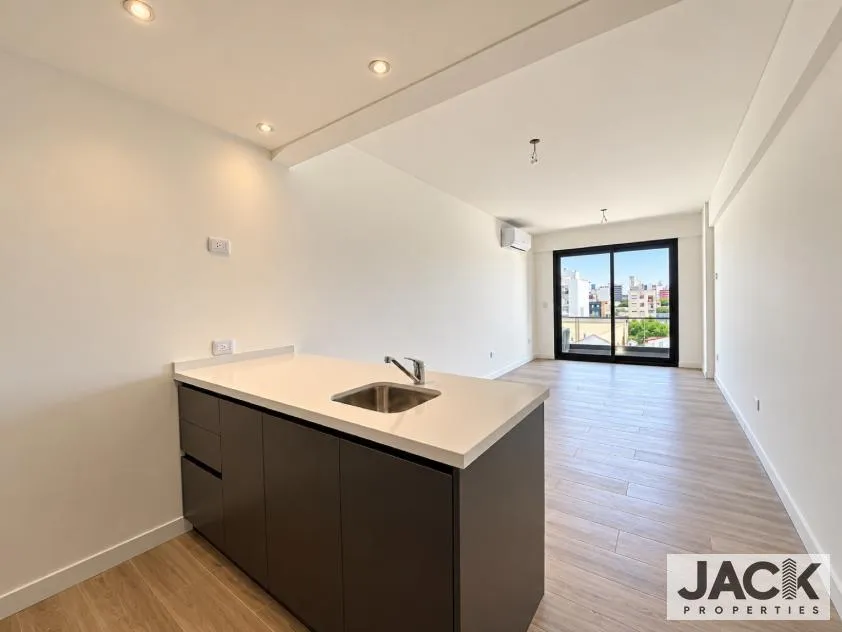
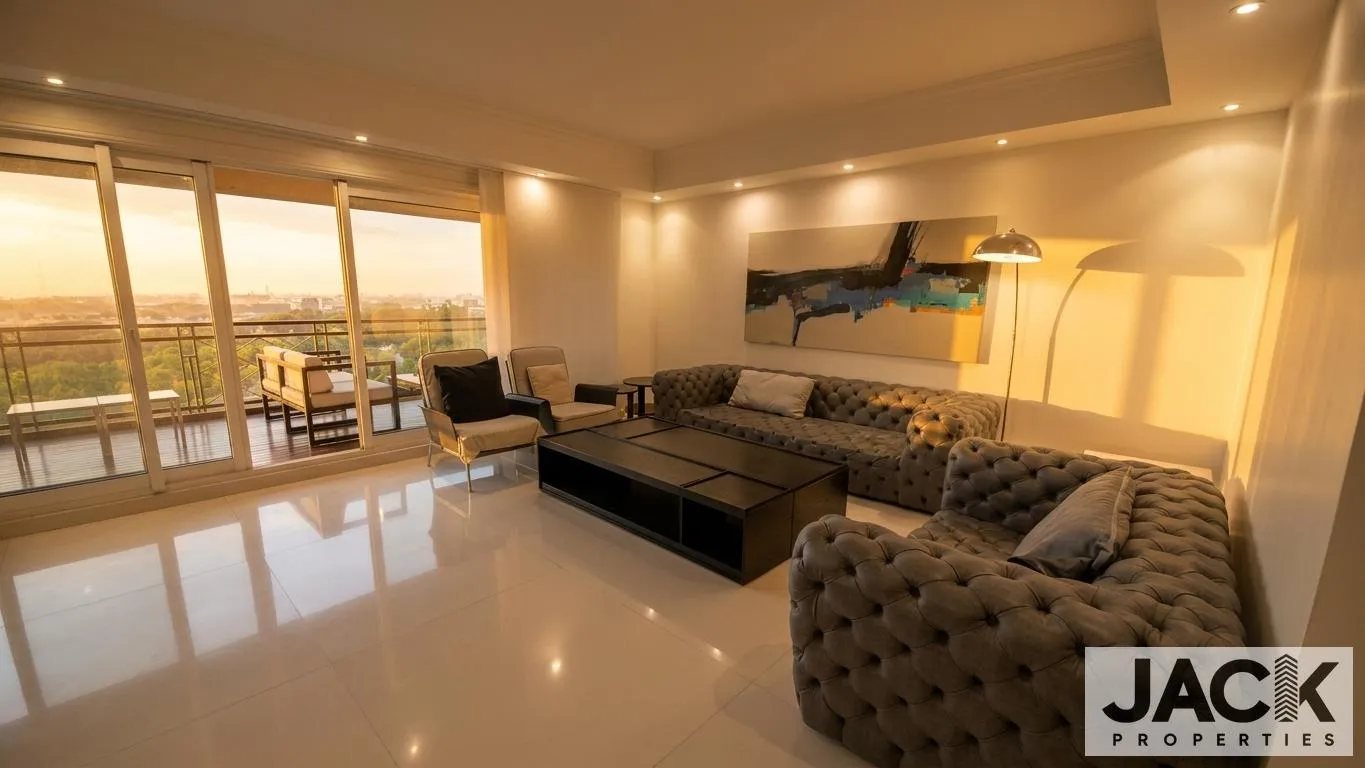


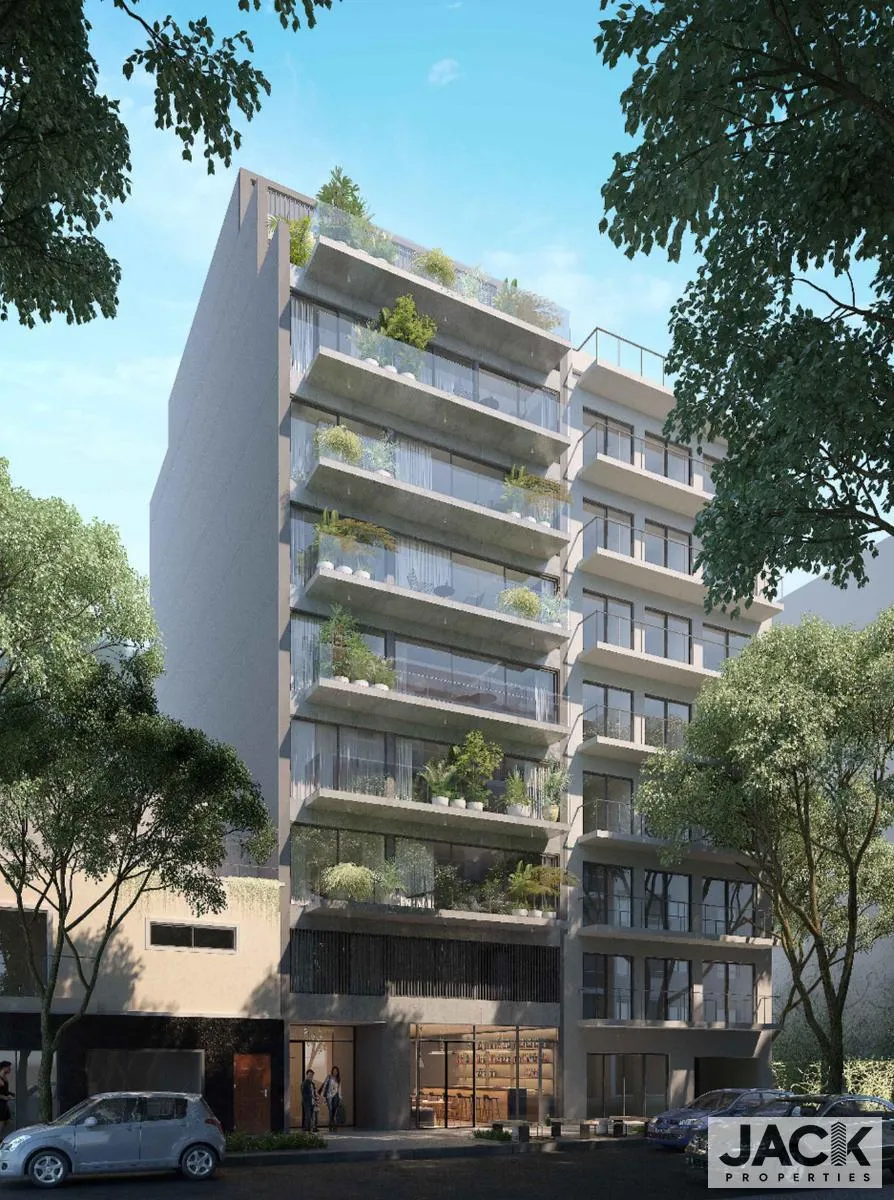
Areas in Argentina
Frequently asked questions
Can foreigners buy property in Argentina?+
Yes. The Constitution gives foreigners the same civil rights as citizens, including the right to buy and sell property, and an apartment or house in a city is bought without residency or permits. The limits concern land: in border security zones a foreigner needs prior government approval, and rural land falls under the Rural Land Law 26.737, which caps foreign ownership. The status of that law has changed several times since 2023, so check the current rules with a lawyer before buying farmland.
Do I need a CUIT or CDI to buy property in Argentina?+
Yes: the escribano cannot sign the deed without the buyer's Argentine tax number. Since 2 March 2026 the tax agency ARCA no longer issues a CDI to individuals, and non-residents get a CUIT instead. A local representative usually applies for it under a power of attorney, using your passport. A CDI issued before that date still works.
How much does it cost to buy property in Buenos Aires?+
In the City of Buenos Aires, budget roughly 7–10% on top of the price. Stamp tax (impuesto de sellos) is 2.7% up to a threshold set in pesos and 3.5% on the part above it, normally split half and half between buyer and seller. The escribano charges around 1–2% plus 21% VAT, registration and certificates add about 1%, and the buyer's agency commission is usually 3–4% plus VAT. Buenos Aires Province and the other provinces set their own stamp tax rates.
How do you pay for property in Argentina?+
In US dollars. The full price is normally paid on the day the deed is signed, in cash at the notary's office or a bank, or by bank transfer. Under anti-money-laundering rules the escribano has to document where the money came from, so keep bank statements that show the source of funds. Mortgages are practically unavailable to non-residents, and foreigners buy with their own money.
Does buying property give residency in Argentina?+
No. Owning a home is not a ground for a residence permit. Investor residency requires a productive or commercial investment approved by the National Migration Directorate. The citizenship-by-investment programme the government announced in October 2026 is based on a contribution to the Treasury or on government bonds, not on buying real estate.
What taxes do property owners pay in Argentina?+
Owners pay the city property tax (ABL in Buenos Aires) and monthly building charges (expensas). Non-resident individuals also owe the wealth tax Bienes Personales, 0.5% a year of the value of their Argentine property, paid through a local substitute taxpayer. On resale, the 1.5% transfer tax (ITI) was abolished in 2024, and since 2026 individuals, residents and non-residents alike, are exempt from income tax on an occasional sale. Argentine tax rules change often, so check them with an accountant before you buy or sell.
 Armenia
 Belarus
 Georgia
 Spain
 Turkey
 Portugal