La mayoría de los mercados inmobiliarios te hacen esperar. España reparte semanas de cita notarial, Alemania meses de cola en el registro de la propiedad. Georgia registra tu piso en un día laborable, más o menos. Entras en un Public Service Hall con el pasaporte y el contrato de compraventa firmado, pagas una tasa menor que una buena cena, y el piso ya es tuyo antes de que hayas terminado de planear la reforma. Tampoco hay impuesto de compra. Ninguno. Suena a folleto publicitario hasta que lo ves ocurrir en persona en la sede de Tbilisi. Esta guía explica cómo funciona el sistema, cuánto cuesta todo y dónde siguen tropezando los compradores.
Por qué Georgia es uno de los mercados más accesibles del mundo
Empecemos por la regla que sorprende a todos. Los extranjeros compran pisos, casas y locales comerciales en Georgia con los mismos derechos de propiedad que los ciudadanos georgianos. No hay permiso que solicitar ni comité que convencer. Sin recargo fiscal por ser extranjero, sin obligación de residir en el país ni siquiera de visitarlo. Un turista puede convertirse legalmente en propietario entre el desayuno y el vuelo de vuelta esa misma tarde.
Hay una excepción que importa. La tierra agrícola está cerrada a particulares extranjeros por la constitución georgiana, sin excepciones. Si el catastro clasifica una parcela como tierra de labor o pasto, no podrás registrarla a tu nombre, y los rodeos societarios que circulan por foros merecen la opinión de un abogado de verdad, no un hilo de internet. Para pisos urbanos y casas normales en suelo residencial, esta prohibición ni siquiera aparece en la conversación.
Luego está el dinero. Georgia no cobra impuesto de compra, ni timbre, ni impuesto de transmisiones sobre inmuebles. Todo lo que el Estado se lleva de tu operación es la tasa de registro, entre 50 y 200 laris según la rapidez que quieras (unos 20 a 75 dólares). Chipre llega hasta el 8% en comisiones de transferencia en el tramo alto; en parte de Alemania el notario todavía no ha carraspeado y ya te ha costado un 6,5%. En Georgia, esa misma línea de tu presupuesto es un redondeo.
El registro en un día, paso a paso
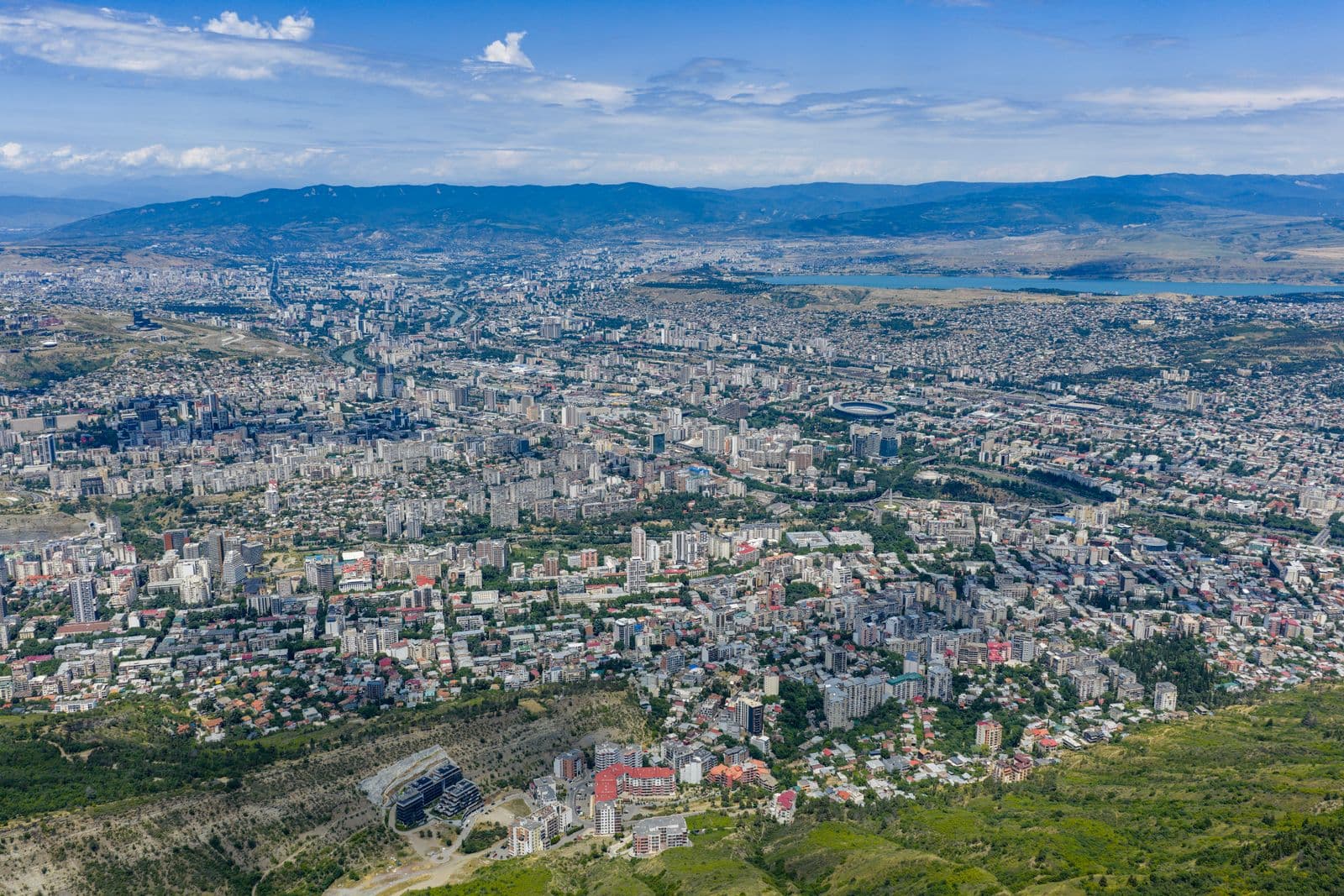
Los derechos de propiedad los inscribe la National Agency of Public Registry, y su ventanilla es el Public Service Hall, conocido localmente como la House of Justice. La sede de Tbilisi es un edificio enorme de cristal junto al río donde puedes constituir una empresa y transferir un piso bajo el mismo techo. Todo el sistema se reconstruyó después de 2004 como proyecto anticorrupción: los archivos en papel se digitalizaron, se eliminaron los intermediarios y el funcionario que tramita tu venta no tiene margen para ralentizarla. Eso es justamente el punto. El registro es rápido porque nadie está en posición de hacerlo lento.
El mecanismo es casi decepcionantemente simple. Comprador y vendedor, o sus representantes, acuden juntos, presentan el contrato de compraventa, muestran identificación y pagan. Conviene llevar tres cosas:
- pasaportes de ambas partes, o un poder notarial más el DNI del apoderado;
- el contrato de compraventa firmado;
- la tasa de registro, pagadera con tarjeta en el momento.
El trámite estándar tarda cuatro días laborables y cuesta unos 50 laris. Paga alrededor de 200 laris por el servicio urgente y la transferencia queda registrada en un día laborable. Ese es el dato central, y sinceramente no hay mucho más detrás. El contrato incluso puede certificarse allí mismo en la sede; un notario es opcional, no obligatorio.
Lo que obtienes es un extracto del registro público que te nombra propietario. Cualquiera puede consultar ese extracto en línea para cualquier propiedad del país, y esto pesa más de lo que parece: es exactamente cómo tu abogado comprueba, antes de que se mueva un solo euro, si el vendedor realmente es dueño del piso y si un banco tiene una hipoteca sobre él.
El proceso de compra, de principio a fin
El registro es la parte fácil. El trabajo que protege tu dinero ocurre antes. Una compra sensata sigue este orden:
- Elegir la propiedad y acordar el precio. Regatear es normal, y los precios que se cotizan a extranjeros suelen tener margen.
- Pedir a un abogado que consulte el extracto del registro y revise hipotecas, cargas, copropietarios y litigios pendientes. En obra nueva, también debería verificar el permiso de construcción y confirmar que el terreno bajo la torre está limpiamente registrado a nombre del promotor.
- Firmar un contrato bilingüe de compraventa y pagar por transferencia bancaria, nunca en efectivo, para que quede rastro del dinero.
- Registrar la transferencia en el Public Service Hall y recoger el extracto de propiedad.
Fíjate dónde entra el abogado. El registro georgiano es limpio, pero un registro solo dice quién es dueño hoy. No te dice si el promotor terminará el edificio, si la rentabilidad garantizada del folleto sobrevivirá al contacto con una temporada baja real, o si el cónyuge del vendedor tiene que dar su consentimiento para la venta. Unos cientos de dólares en honorarios legales son el seguro más barato que existe en este mercado. La mayoría de las historias de terror se remontan justo a haberse saltado este paso.
Una decisión estructural condiciona todo lo demás: obra nueva o segunda mano. Un piso de reventa en uno de los barrios antiguos de Tbilisi trae registro instantáneo y cero riesgo de finalización, pero los edificios de época soviética varían enormemente en estado y una reforma reciente puede esconder pecados. La obra nueva ofrece planes de pago a plazos y distribuciones modernas, y traslada el riesgo a la capacidad del promotor de terminar. Ninguna opción es incorrecta. El error es tratarlas como si el riesgo fuera idéntico.
Por cierto, estar en Georgia es opcional. La compra a distancia mediante poder notarial es habitual aquí: apostillas y notarizas el poder en tu país, tu abogado georgiano firma y registra en tu nombre, y no pocos propietarios ven su piso por primera vez meses después de comprarlo. Cubrimos las precauciones necesarias en una guía aparte sobre cómo comprar propiedad en el extranjero a distancia; en resumen, el poder debe redactarse de forma acotada y con fecha límite.
Dinero: precios, pagos y la cuestión de la hipoteca
Georgia es barata para estándares europeos, aunque bastante menos que hace cinco años. Los precios se mueven lo bastante rápido como para que cualquier cifra por metro cuadrado envejezca mal en pocos meses, así que mejor pensar en niveles.
El centro de Tbilisi está arriba del todo. Vake y el casco antiguo son las direcciones más caras del país; un piso reformado allí cuesta un múltiplo de la misma superficie en las afueras, y la demanda de expatriados mantiene esa diferencia. Saburtalo es el término medio que hace el trabajo: bloques modernos, estaciones de metro, estudiantes y personal de IT haciendo cola por alquileres, precios de entrada bastante por debajo de Vake. Las rentabilidades brutas por alquiler en toda la capital superan sistemáticamente lo que ofrecen muchas ciudades de Europa occidental, y ahí está buena parte de la explicación del flujo de inversores.
Batumi cotiza por debajo del centro de Tbilisi por metro cuadrado, a veces muy por debajo, y los estudios en las torres frente al mar se venden a cifras que parecen erratas para un comprador de Londres o Múnich. La ganga es real. También lo son los motivos, que tienen su propio apartado más adelante.
Kutaisi es la historia de entrada: un aeropuerto internacional con vuelos low cost, precios a una fracción de los de la capital, y un mercado de alquiler que existe pero es delgado. Se necesita paciencia.
Sobre los pagos: los anuncios se cotizan habitualmente en dólares estadounidenses, la liquidación pasa por bancos georgianos, y las transferencias desde el extranjero llegan sin drama en el lado georgiano. La fricción suele aparecer en casa. Una transferencia de seis cifras a Tbilisi despertará al departamento de cumplimiento de tu propio banco, así que avísalos con antelación y ten a mano el contrato de compraventa para mostrarlo. Las hipotecas son el punto débil: la financiación local para no residentes es escasa y cara, así que la mayoría de los compradores extranjeros paga al contado o usa planes de pago del promotor, que en Batumi habitualmente se extienden dos o tres años sin intereses.
Los gastos corrientes también se mantienen bajos después de la compra. Los suministros en un piso normal de Tbilisi suman decenas de dólares al mes fuera del invierno, los edificios más antiguos cobran cuotas comunitarias casi simbólicas, y las torres nuevas aplican una cuota de servicio por metro cuadrado que conviene leer antes de firmar, porque los gastos de servicio tipo apart-hotel se comen en silencio las rentabilidades anunciadas. Si delegas el piso a una gestora para alquiler vacacional, cuenta con que se quede entre el 15% y el 25% de los ingresos.
Impuestos: un capítulo deliberadamente corto
La fiscalidad inmobiliaria georgiana cabe en cuatro párrafos breves, y eso ya es un argumento de venta.
Comprar no tributa. Aparte de la tasa de registro, la compra en sí no dispara nada: ni timbre, ni impuesto de adquisición.
Alquilar tributa poco. Un particular que se registra en la Revenue Service y arrienda una vivienda paga normalmente un 5% fijo sobre el ingreso bruto por alquiler, sin deducciones que calcular ni tramos que escalar. Si no te registras, se aplica por defecto el 20%, así que regístrate; el trámite lleva una tarde.
Vender suele estar exento. Si conservas la propiedad más de dos años, la ganancia patrimonial queda exenta para particulares. Si vendes antes de los dos años, la ganancia se grava generalmente al 5%.
Ser propietario tampoco tributa para mucha gente. El impuesto anual sobre inmuebles solo se activa cuando los ingresos del hogar superan los umbrales legales (40.000 laris al año es la cifra que importa para la mayoría de familias), e incluso entonces no supera aproximadamente el 1% del valor de mercado. Un matrimonio jubilado con ingresos modestos puede tener un piso en Tbilisi y no deber nada año tras año.
Estas son las tasas que paga la mayoría de propietarios en el momento de escribir esto. La legislación fiscal georgiana es estable para los estándares de la región, pero conviene confirmar tu caso concreto con un contable antes de construir una hoja de cálculo sobre ello.
Residencia: puede que no la necesites en absoluto
Aquí va el dato que pocos conocen. Ciudadanos de decenas de países, prácticamente toda Europa, Norteamérica, el Golfo y buena parte de Asia, pueden quedarse en Georgia sin visado durante un año entero de una vez. No noventa días en una ventana móvil. Un año. Cruzas a Turquía un fin de semana y el contador se reinicia al volver a entrar. Para propietarios que pasan los veranos en la costa y los inviernos en otro sitio, eso resuelve por completo la cuestión migratoria, sin necesidad de ningún permiso.
Si aun así quieres residencia formal, la propiedad es una vía reconocida, y las reglas se endurecieron hace poco. El requisito que más se cita hoy es un inmueble tasado por encima de 150.000 dólares, con la valoración hecha por un tasador georgiano certificado y no tomada de tu contrato. Eso da acceso a un permiso de residencia temporal renovable. Un tramo superior, en torno a 300.000 dólares, lleva a un permiso más largo por la vía de inversión. Toma ambas cifras como referencia, no como dogma: los umbrales se han movido más de una vez en los últimos años, así que verifica las cifras vigentes con un abogado de inmigración georgiano antes de comprometer dinero basándote en ellas.
El detalle de la tasación suele engañar. Un piso comprado barato en el momento adecuado puede tasar por encima de la línea; uno comprado caro puede quedar por debajo. El servicio de migración lee el informe del tasador, no tus recibos.
Dónde comprar: un recorrido breve
Tbilisi
La capital tiene el mercado de alquiler más profundo y la menor estacionalidad. Vake significa villas de embajadas bajo plátanos centenarios y la demanda de inquilinos más estable, entre expatriados y personal de ONG; es el distrito que compras para conservar, no para revender rápido. Saburtalo es donde suele cuadrar mejor la rentabilidad, denso en universidades, oficinas y paradas de metro. El casco antiguo y el vecino Vera venden encanto, y los pisos reformados allí ganan bien con alquiler vacacional durante la temporada turística. Si te importa más el ingreso estable que las vistas al mar, el argumento a favor de Tbilisi frente a Batumi es corto.
Batumi
El balneario del mar Negro es donde aterriza la mayor parte del dinero extranjero, y merece la versión honesta. Las torres frente al mar son baratas, la temporada de verano está genuinamente llena, el porcentaje de compradores extranjeros es alto, y los programas apart-hotel gestionan tu unidad y reparten los ingresos mientras estás fuera. Pero la calidad de construcción varía muchísimo según el promotor, desde edificios de nivel hotelero hasta hormigón desnudo entregado tarde, y se han construido tantos estudios de inversores pequeños que algunos segmentos ya enfrentan una competencia de reventa muy dura y una ocupación fuera de temporada escasa. Nada de esto convierte a Batumi en un mal mercado. Convierte el historial del promotor en la línea más importante de tu due diligence.
Una regla que repiten los abogados locales: si un promotor de Batumi no puede enseñarte un edificio terminado, ocupado y entregado a tiempo, pon sus promesas a precio cero y comprueba si el trato sigue teniendo sentido.
Kutaisi, Gudauri y Bakuriani
Kutaisi ofrece los precios de entrada más bajos de cualquier ciudad georgiana con aeropuerto internacional, y la contrapartida es una salida de alquiler poco profunda; trátalo como una tenencia paciente. Gudauri y Bakuriani son apuestas de esquí, con una temporada de invierno fuerte y meses intermedios silenciosos ya incorporados a su precio por metro. Los mercados de nicho recompensan a quien los conoce en persona y castigan a quien compró desde un stand en una feria inmobiliaria.
Qué puede seguir saliendo mal
Un registro sencillo no vuelve segura cualquier operación, y la industria que rodea al registro es mucho menos rigurosa que el registro mismo. Los agentes inmobiliarios en Georgia no están regulados; cualquiera puede imprimirse una tarjeta y empezar a enseñar pisos. A los extranjeros les cotizan precios inflados con la frecuencia suficiente como para que los locales tengan una palabra para ello. A veces los contratos llegan solo en georgiano, y las compras sobre plano cargan con riesgo de finalización y menos protecciones de fideicomiso de las que un comprador esperaría tras comprar en España o Dubái.
Todo esto se maneja con las mismas dos herramientas: un abogado independiente que responda ante ti y no ante el vendedor, y tiempo invertido en revisar el edificio concreto en lugar de fiarse de las medias nacionales. Georgia premia una cantidad normal de deberes hechos. Simplemente nunca obliga a nadie a hacerlos, y ese es el verdadero sentido del registro en un día: el Estado se apartó del camino, tanto para el comprador cuidadoso como para el descuidado.
HomeNSearch publica propiedades en Georgia junto a otros doce países. El panorama del mercado está en nuestra página de Georgia, y cuando los niveles de precio de arriba necesiten cifras reales, el catálogo completo es el lugar para comparar los precios de venta actuales lado a lado.
Preguntas frecuentes: comprar propiedad en Georgia
¿Pueden los extranjeros comprar propiedad en Georgia?
Sí, con los mismos derechos de propiedad que los ciudadanos y sin permisos que tramitar. Pisos, casas y locales comerciales están todos abiertos. La única categoría cerrada es la tierra agrícola, que los particulares extranjeros no pueden registrar a su nombre según la constitución.
¿El registro se hace realmente en un día?
Con el servicio urgente, sí. Presenta el contrato de compraventa y las identificaciones en un Public Service Hall, paga unos 200 laris, y la transferencia queda registrada en aproximadamente un día laborable. El servicio estándar tarda cuatro días laborables y cuesta unos 50 laris.
¿Qué impuestos se pagan al comprar?
Ninguno sobre la compra en sí: sin timbre, sin impuesto de transmisiones, solo la pequeña tasa de registro. Más adelante, los particulares registrados suelen pagar un 5% fijo sobre el ingreso por alquiler residencial, y las plusvalías quedan exentas una vez que has tenido la propiedad más de dos años (5% si vendes antes).
¿Comprar propiedad en Georgia da acceso a la residencia?
Puede darlo. Un inmueble tasado por encima de unos 150.000 dólares da acceso a un permiso de residencia renovable, y un tramo en torno a 300.000 dólares lleva a uno más largo; ambos umbrales cambiaron recientemente, así que conviene verificar las reglas vigentes antes de comprometerse. Muchos propietarios prescinden de la residencia por completo, porque ciudadanos de decenas de países pueden quedarse en Georgia sin visado durante un año seguido.