L'Arménie ne se met pas en avant. Dubaï multiplie les campagnes mondiales, Chypre sponsorise des clubs de football, et pendant ce temps Erevan fait tourner tranquillement l'un des marchés immobiliers les plus ouverts entre l'Europe et l'Asie centrale. Un étranger peut y acheter un appartement, une maison ou un commerce en son nom propre, sans permis, sans partenaire local et sans taxe d'achat, puis ressortir du Cadastre d'État avec un titre de propriété environ quatre jours ouvrés après la signature.
Le piège n'est pas dans les règles. Il est dans la taille du marché : un pays de moins de trois millions d'habitants où la vraie liquidité se concentre dans une seule ville. Ce guide traite les deux volets honnêtement, la mécanique de l'achat et la question plus difficile de savoir si le bien acquis sera facile à habiter, à louer ou à revendre.
Qui peut acheter, et l'unique exception
Les ressortissants étrangers détiennent des biens arméniens avec les mêmes droits que les citoyens. Appartements, maisons, bureaux, locaux commerciaux : tout s'enregistre directement à votre nom, résident ou non, et bon nombre de propriétaires n'ont jamais mis les pieds dans le pays. Les sociétés étrangères peuvent acheter aussi. Pas de quota annuel, pas de zone frontalière restreinte comme en Turquie, pas d'étape d'approbation gouvernementale entre vous et la transaction.
L'exception concerne les terres agricoles. Une terre arable ne peut pas être enregistrée au nom d'un particulier étranger, mais trois solutions existent. Créer une société arménienne : une entreprise locale détenue entièrement par un étranger reste juridiquement arménienne et peut posséder des terres. Obtenir un statut de résidence spécial, qui donne des droits fonciers. Ou louer : le droit arménien autorise des baux allant jusqu'à 99 ans, ce qui, pour un projet de vignoble ou de verger, équivaut presque à la pleine propriété.
Pour l'achat d'un simple appartement ou d'une maison, rien de tout cela ne s'applique.
L'achat, étape par étape
L'Arménie garde la chaîne courte. Pas de mois de montage juridique, pas de file d'attente pour un permis. Quatre étapes.
- Commander un extrait récent auprès du Comité du cadastre d'État. Il indique le propriétaire enregistré, les caractéristiques exactes du bien et toute hypothèque, saisie ou charge existante. Il coûte quelques milliers de drams et arrive en quelques jours. Un vendeur qui décourage cette vérification vous dit déjà tout ce qu'il faut savoir.
- Convenir du prix et réunir les documents. Il vous faudra votre passeport accompagné d'une traduction notariée en arménien ; le vendeur apporte le titre de propriété et les documents sous-jacents. Si un document étranger entre dans le dossier, une procuration par exemple, il lui faut une apostille et une traduction certifiée.
- Signer le contrat de vente devant notaire. La certification notariale n'est pas facultative pour une transaction immobilière arménienne. Le notaire vérifie les identités, confronte le titre au registre du Cadastre et authentifie le contrat, généralement en un seul rendez-vous.
- Enregistrer le transfert auprès du Cadastre d'État. C'est ce moment-là, et non la signature, qui fait réellement changer de propriétaire. Le traitement standard prend environ quatre jours ouvrés, une filière accélérée existe moyennant un supplément.
Sur les biens anciens, mieux vaut creuser au-delà de l'extrait. De nombreux appartements soviétiques d'Erevan ont été réaménagés au fil des ans, cloisons déplacées, balcons vitrés et transformés en pièces, et tous les changements n'ont pas été reportés au registre officiel. Vérifiez que le plan actuel correspond bien au plan enregistré, renseignez-vous sur d'éventuelles factures de charges impayées, et assurez-vous que personne ne conserve un droit d'occupation enregistré sur le logement. Ces trois vérifications prennent peu de temps, et un avocat local les mène pour un forfait modeste.
L'acompte mérite aussi un mot. La pratique locale consiste à verser un petit acompte de réservation une fois les conditions arrêtées, le solde étant réglé au moment de l'enregistrement ; la structure raisonnable reste la même partout : consigner l'acompte par écrit avec des conditions de remboursement claires, et ne verser le solde qu'une fois le transfert confirmé par le Cadastre ou garanti par un montage bancaire. Comme le titre change de mains en quelques jours et non en mois, la fenêtre d'exposition reste heureusement courte.
Deux règles de paiement s'ajoutent aux formalités. Tout montant supérieur à environ 500 000 AMD, soit environ 1 200 dollars, doit transiter par une banque plutôt qu'en liquide, acomptes compris. Et la banque qui reçoit votre virement peut demander l'origine des fonds. Ayez sous la main un contrat de vente, des bulletins de salaire ou des relevés de compte ; c'est la même procédure de justification d'origine des fonds que pour ouvrir un compte n'importe où en Europe, pas un signe d'ennui à venir.
Acheter sans se déplacer
L'ensemble de la transaction fonctionne aussi à distance. Une procuration signée dans votre pays, apostillée et traduite en arménien, permet à un avocat ou à un proche à Erevan de mener les vérifications cadastrales, de signer chez le notaire et d'enregistrer le titre en votre nom. La diaspora arménienne, plusieurs fois plus nombreuse que la population résidente, achète de cette manière depuis des décennies, si bien que les notaires locaux traitent les procurations étrangères comme une affaire courante, non comme une demande exotique.
Il vous faudra aussi un numéro fiscal arménien, une formalité rapide que votre représentant peut obtenir, et un compte bancaire local facilite le respect de la règle sur les paiements non liquides, même si les virements venus de l'étranger fonctionnent également. Si vous envisagez un achat auquel vous n'assisterez pas en personne, notre guide sur l'achat immobilier à distance à l'étranger explique comment garder la main sur une transaction de loin. L'Arménie est l'un des pays où c'est le plus simple à faire.
Ce que ça coûte, et la taxe qui n'existe pas
À lire deux fois si vous avez acheté en Europe de l'Ouest. L'Arménie ne prélève ni droit de mutation, ni droit de timbre, ni TVA sur une revente résidentielle ordinaire. La part de l'État au moment de l'achat est pratiquement nulle. À titre de comparaison, les frais de mutation atteignent 6 à 10 % du prix dans une grande partie de l'Espagne, et un taux fixe de 4 % à Dubaï. À Erevan, vous payez le notaire et le registre, et la liste s'arrête là.
Ces deux frais restent modestes. Sur un achat d'appartement classique, certification notariale et enregistrement réunis reviennent en général à quelques centaines de dollars, parfois moins. Le reste, un avocat pour la due diligence ou un traducteur assermenté, reste facultatif et facturé en conséquence.
La détention reste bon marché elle aussi. La taxe foncière annuelle se calcule à partir de la valeur cadastrale selon un barème progressif qui démarre près de zéro, si bien qu'un appartement type à Erevan génère une facture de quelques centaines de dollars par an, souvent moins hors des quartiers premium. Les valeurs cadastrales se rapprochent progressivement des prix de marché dans le cadre d'une réforme étalée jusqu'en 2026, le chiffre devrait donc grimper, mais depuis une base très basse.
Si vous louez le bien, les propriétaires particuliers paient un impôt sur les revenus locatifs à taux fixe ; environ 10 % est le chiffre le plus souvent cité à l'heure où ces lignes sont écrites. Confirmez le taux en vigueur auprès d'un comptable local avant de bâtir un modèle de rendement dessus, mais la tendance générale est claire. Une fiscalité légère à l'achat, pendant la détention et sur les revenus.
L'achat donne-t-il droit à la résidence ?
Pas en soi. L'Arménie n'a pas de programme de golden visa, et un titre de propriété ne s'accompagne pas automatiquement d'une carte de résident. Ce que la propriété apporte, c'est un appui pour une demande : elle démontre un lien avec le pays, et la pratique des services d'immigration en tient compte comme d'un argument sérieux.
Voici le contexte qui compte. Les titres de séjour arméniens comptent parmi les plus accessibles de la région élargie, avec des permis temporaires délivrés pour un an, un statut permanent accessible sur une durée plus longue, et des exigences documentaires légères comparées à presque tous les pays de l'UE. Les avocats à Erevan qualifient généralement de solides les demandes appuyées par une propriété. Considérez cela comme une demande bien placée pour aboutir plutôt que comme un droit acquis, et si la résidence est l'objectif principal de la démarche, faites-vous conseiller sur la pratique actuelle avant de vous engager dans l'achat.
Où se situe réellement le marché
Erevan, qui concentre l'essentiel
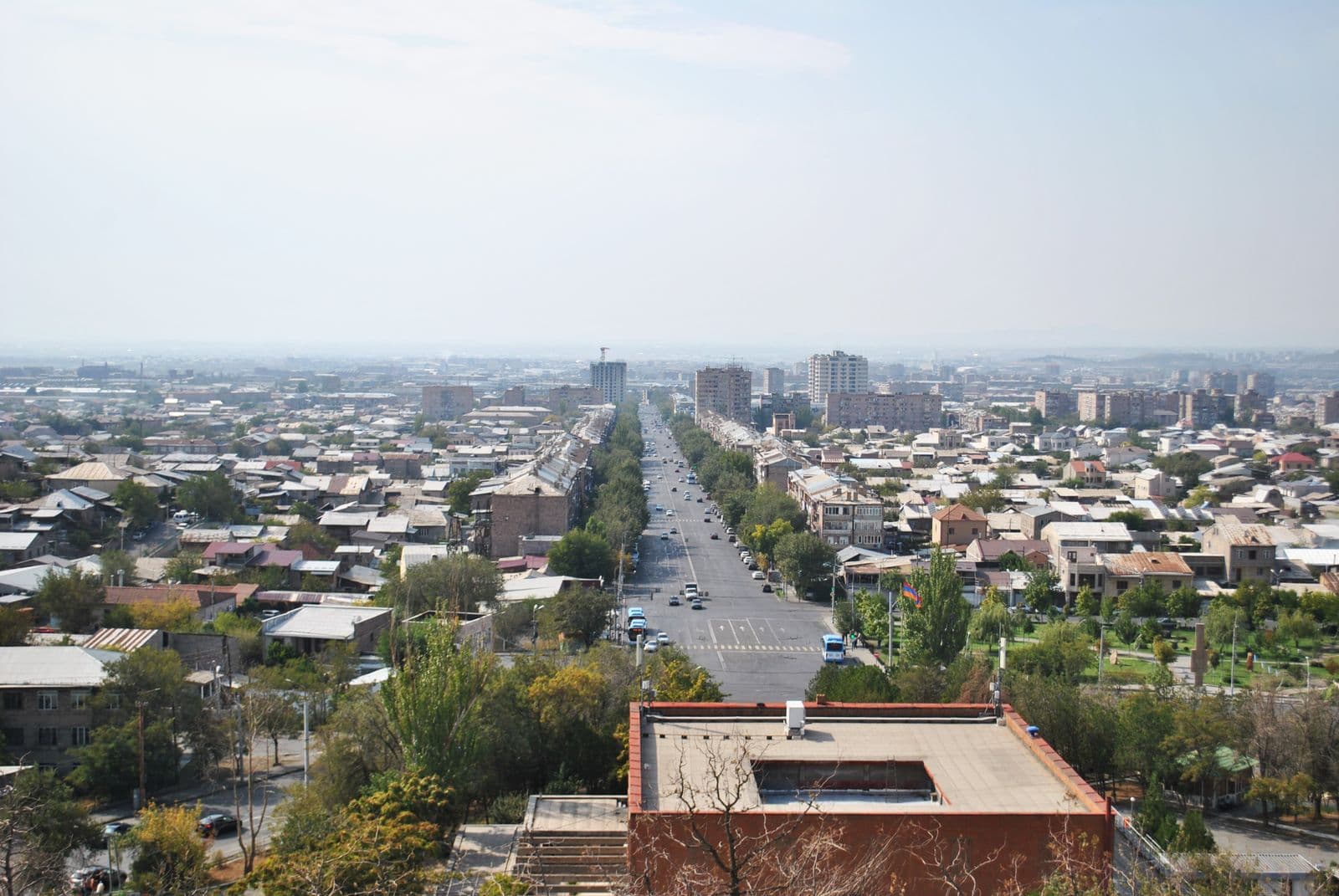
La capitale rassemble la majeure partie des transactions arméniennes et presque toute la liquidité. Kentron, le centre, en est la zone premium : façades roses en tuf, immeubles de verre de l'avenue Northern, cafés qui restent ouverts bien après minuit. C'est aussi là que les prix ont le plus grimpé depuis 2022, quand un afflux de professionnels de la tech relocalisés s'est heurté à une offre limitée. Arabkir, juste au nord, offre des immeubles solides du milieu du siècle dernier et une base locative locale stable ; Ajapnyak, de l'autre côté de la gorge de la Hrazdan, reste le choix économique. Les programmes neufs en périphérie se vendent à des prix que Kentron n'a plus connus depuis dix ans, et les promoteurs les commercialisent désormais avec des plans de paiement spécifiquement conçus pour les acheteurs de la diaspora réglant depuis l'étranger.
Qui loue tout cela ? Des professionnels de la tech relocalisés dans le centre, des étudiants et jeunes familles à Arabkir et plus loin, et un flux constant de visiteurs de la diaspora qui préfèrent un appartement familier à un hôtel. Ce mélange a maintenu un taux d'occupation élevé, même quand les prix grimpaient.
Tsaghkadzor, la niche du ski
À une heure d'Erevan, Tsaghkadzor est la station de ski arménienne, compacte et d'ancrage soviétique, animée de décembre à mars. Les appartements s'y négocient sur les revenus locatifs d'hiver et l'usage de week-end. C'est une niche, et elle se comporte comme telle : correcte comme bien de lifestyle avec un peu de rendement, ténue comme pur investissement.
Dilijan, l'air de la forêt et une école réputée
Dilijan constitue le pendant verdoyant, une ville thermale nichée dans un parc national qui a gagné un moteur de demande inattendu depuis l'ouverture de l'UWC Dilijan, un internat international qui attire des familles venues de l'étranger. Maisons avec jardin et petits appartements s'y vendent tous deux, lentement. On y achète pour le cadre, pas pour la sortie.
Le lac Sevan, la carte surprise de l'été
Sevan est un marché de deux mois. Le lac se trouve à 1 900 mètres d'altitude, la saison est courte, et l'essentiel du parc immobilier date. Les prix paraissent tentants face à n'importe quel front de lac européen, mais la revente peut prendre des saisons plutôt que des mois. Une carte surprise au sens propre : entrée bon marché, vraie demande locative estivale, et imprévisibilité sur tout le reste.
Vous pouvez comparer les prix affichés actuellement sur tous ces emplacements dans notre catalogue de biens.
L'argument d'investissement, sans le vernis de la brochure
La demande est bien réelle. L'argent de la diaspora afflue depuis toujours vers l'immobilier d'Erevan, et depuis 2022 un secteur tech gonflé par des entreprises et des ingénieurs relocalisés a poussé les loyers et les prix du centre à des niveaux que personne n'avait anticipés. Les rendements des appartements bien situés à Kentron et Arabkir se sont montrés élevés selon les normes européennes, et des frais de transaction quasi nuls signifient qu'une plus grande part de votre capital travaille dès le premier jour.
Passons maintenant à l'autre colonne. Ce marché reste petit en valeur absolue, et la liquidité hors d'Erevan est ténue ; dans les localités touristiques et les villages, elle peut s'approcher de zéro pendant des mois. Le dram fluctue, et il a fluctué fortement après 2022, si bien que des rendements mesurés en dollars ou en euros portent un risque de change en plus du risque immobilier. Et le voisinage apporte une incertitude géopolitique qu'un guide honnête ne saurait passer sous silence. Les conflits de la région n'ont pour l'instant pas empêché le marché de fonctionner, mais ils s'intègrent dans les prix, et c'est normal qu'ils le fassent.
Un test de résistance que nous utilisons chez HomeNSearch : supposez que votre futur acheteur soit un habitant local payant en drams, puis demandez-vous si l'opération tient toujours. Dans le centre d'Erevan, c'est généralement le cas. Dans un village au bord d'un lac, souvent pas.
La thèse honnête se résume donc ainsi. L'Arménie récompense les acheteurs qui veulent utiliser le bien, le détenir à moindre coût et en tirer un loyer raisonnable. Elle pénalise ceux qui achètent un bien peu liquide en espérant une revente rapide. Commencez par la vue d'ensemble du marché sur notre page pays Arménie, et si ce profil vous correspond, l'achat lui-même sera la partie la plus simple de tout le projet.
Questions fréquentes
Les étrangers peuvent-ils acheter un bien en Arménie sans y résider ?
Oui. Les non-résidents achètent appartements, maisons et locaux commerciaux en leur nom propre, sans permis ni exigence de résidence. La seule exception concerne les terres agricoles, qui nécessitent une société arménienne, un statut de résidence spécial ou un bail longue durée allant jusqu'à 99 ans.
Existe-t-il un droit d'achat ou de mutation en Arménie ?
Pas sur une transaction résidentielle standard. L'acheteur paie des frais de notaire et des frais d'enregistrement au Cadastre, en général quelques centaines de dollars au total. Le coût récurrent est une taxe foncière annuelle, calculée sur la valeur cadastrale selon des taux progressifs bas.
Peut-on finaliser un achat immobilier en Arménie à distance ?
Oui. Une procuration signée à l'étranger, apostillée et traduite en arménien, permet à un représentant de mener les vérifications, de signer chez le notaire et d'enregistrer le titre en votre nom. Les acheteurs de la diaspora empruntent cette voie en permanence, si bien que le mécanisme est bien rodé.
Acheter un bien en Arménie donne-t-il droit à la résidence ?
Pas automatiquement. Il n'existe pas de golden visa, mais la propriété appuie une demande de titre de séjour, et les permis arméniens sont d'un accès inhabituellement facile : statut temporaire renouvelable chaque année, statut permanent sur un horizon plus long, et peu de démarches administratives tout au long du parcours.