Een huis kopen in een ander land was ooit iets voor de happy few. Dat is voorbij. Videobezichtigingen, Engelssprekende advocaten en gespecialiseerde valutamakelaars hebben van een appartement in Limassol of een rijtjeshuis buiten Alicante een haalbaar plan gemaakt, ook met een doorsnee budget.
Haalbaar is iets anders dan simpel. U tekent contracten binnen een rechtssysteem dat u niet kent, vaak in een taal die u niet leest, en maakt misschien wel het grootste bedrag van uw leven over de grens. Deze gids doorloopt het hele traject: wat u eerst moet beslissen, wie u inhuurt, wat elke fase kost en hoe lang het duurt. Gebaseerd op wat we dagelijks zien bij HomeNSearch, waar we advertenties verifiëren in 13 landen, waaronder Cyprus, Spanje, Turkije, Thailand en de VAE.
Begin bij het waarom, niet bij het waar
Een vakantieappartement, een verhuurinvestering en een toekomstige pensioenplek zijn drie totaal verschillende aankopen. Ze wijzen naar andere landen, andere wijken en ander vastgoed — bepaal dus eerst het doel, voordat u ook maar één advertentie opent.
Een belegger op zoek naar rendement moet zich druk maken over huurvraag in januari, niet over hoe de jachthaven eruitziet in juli. Wie er later gaat wonen, denkt na over scholen, zorg en visumopties. Een vakantiekoper mag dat allemaal loslaten en juist kieskeuriger zijn over het uitzicht.
Stel dan het echte budget vast. Aankoopbelastingen en -kosten komen er, afhankelijk van het land, doorgaans 5 tot 12% bovenop, dus een appartement van €200.000 kost in werkelijkheid ergens tussen €210.000 en €224.000 — en dan heeft u nog geen stoel gekocht. Bepaal uw plafond mét die kosten erin verwerkt en houd een reserve aan. Er komt altijd iets onverwachts.
Onderzoek de markt als local, niet als toerist
Het land maakt minder uit dan de straat. Prijzen twee straten van het strand en twintig minuten landinwaarts kunnen zich gedragen als twee losse markten, dus zodra u een regio heeft gekozen, moet u snel naar wijkniveau zoomen.
Kijk naar de prijsontwikkeling over tien jaar, niet over twee. Een markt die in drie jaar verdubbelt, kan in twee jaar weer halveren, terwijl een langzame stijger meestal iets gezonders vertelt. Kijk ook wat er in de buurt gebouwd wordt. Een woud aan bouwkranen betekent toekomstig aanbod, en dat aanbod drukt zowel uw verkoopprijs als uw huuropbrengst.
Ook de rente hoort bij dit huiswerk. Als lenen duurder wordt voor de lokale koper, koelt de binnenlandse vraag af — en juist dán krijgt een contante koper uit het buitenland ruimte om te onderhandelen. U hoeft de cyclus niet perfect te timen. U moet wel weten waar u in die cyclus instapt.
Als huurinkomsten deel uitmaken van het plan, bestudeer dan de verhuurregels, niet alleen de prijzen. Veel populaire steden reguleren of maximeren short-term verhuur tegenwoordig, en een wijk waar vakantieverhuur beperkt is, is een heel ander investeringsobject dan wat de brochure belooft. Vraag een lokale property manager hoe de bezetting er écht het hele jaar door uitziet; dat antwoord verslaat elke online prognose.
En kijk buiten het seizoen. Augustus liegt.
Check de eigendomsregels voordat u verliefd wordt
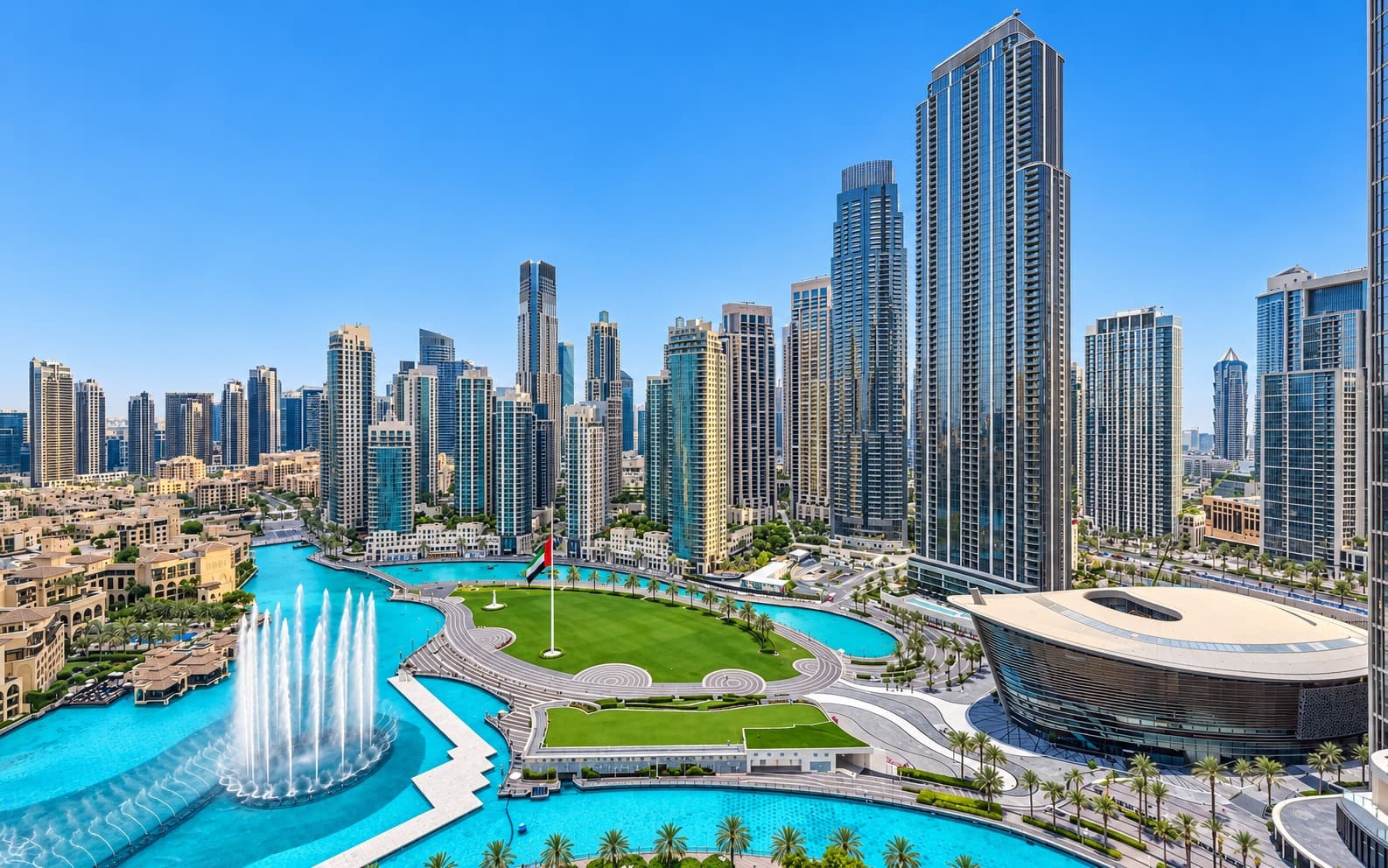
Elk land trekt zijn eigen grenzen voor buitenlandse kopers, en die te laat ontdekken is duur. Thailand verkoopt geen grond aan buitenlanders, maar een condo mag volledig eigendom zijn zolang buitenlanders niet meer dan 49% van het gebouw bezitten. In de VAE is eigendom voor buitenlanders beperkt tot aangewezen freehold-zones. Cyprus vraagt niet-EU-kopers om toestemming van de Raad van Ministers — een routinehandeling, maar uw advocaat moet de aanvraag wél indienen. Montenegro verkoopt appartementen vrij aan buitenlanders maar beperkt bepaalde categorieën grond, en Georgië kent nauwelijks beperkingen, met een eigendomsregistratie die berucht is om zijn snelheid: ongeveer één dag.
Verblijfsrecht is het andere dossier dat u vroeg moet doorlezen. Spanje sloot zijn golden visa in april 2025, en Portugal schrapte de vastgoedroute al in oktober 2023 — toch komen kopers nog steeds binnen met plannen die op beide zijn gebaseerd. Griekenland heeft nog altijd een aan vastgoed gekoppeld visum met drempels die per regio verschillen, Turkije biedt een staatsburgerschapsroute vanaf een aankoop van $400.000, en Cyprus koppelt permanent verblijf aan de aankoop van een nieuwbouwwoning vanaf €300.000. Als een verblijfsprogramma deel uitmaakt van uw plan, controleer het diezelfde week nog op officiële overheidspagina's. Programma's sluiten sneller dan blogs bijwerken.
Huur uw eigen mensen in
De makelaar die u het huis laat zien, werkt voor de verkoper. De gratis juridische bijstand van de ontwikkelaar werkt voor de ontwikkelaar. Dat maakt niemand van hen oneerlijk; het betekent alleen dat niemand aan tafel betaald wordt om úw belang te beschermen, totdat u zelf iemand aanstelt.
Op zijn minst is dat een onafhankelijke lokale advocaat die uw taal spreekt en alleen aan u verantwoording aflegt. Afhankelijk van het land wilt u daarnaast ook een erkende makelaar aan koperszijde, een beëdigd vertaler voor alles wat u ondertekent, en een notaris — die in de meeste civil-law-landen een verplichte neutrale schakel is, geen optie. Een belastingadviseur die zowel uw eigen land als het doelland kent, verdient zijn honorarium al terug de eerste keer dat hij een verdrag ter voorkoming van dubbele belasting opent.
Een regel die onze makelaars elke eerste koper voorhouden: als iedereen aan tafel bij u is geïntroduceerd door de verkoper, heeft u geen team. U heeft publiek.
De stap-voor-staptijdlijn
Zo verloopt een typische aankoop van een bestaande woning. Nieuwbouw volgt dezelfde logica, alleen wacht de oplevering op de bouwer.
1. Budget bepalen en shortlist maken (week 1–4)
Leg uw plafond vast, mét die 5–12% kosten erin, kies één of twee doelregio's en begin met filteren. Screen streng. Vraag om plattegronden, exacte adressen en videorondleidingen, en laat elke verkoper vallen die dat niet aanlevert. Dit is ook de week om alvast advocaten te interviewen, voordat u er dringend een nodig heeft.
2. Eén doelgerichte bezichtigingsreis (ongeveer een week)
Bekijk acht tot twaalf woningen in drie of vier dagen, niet twee woningen in een rustige twee weken. Loop 's avonds door de wijk. Praat met een buurtbewoner als het kan. Ontmoet uw voorgeselecteerde advocaat persoonlijk terwijl u in het land bent.
3. Reserveer de woning
De juiste woning gevonden? Meestal tekent u een korte reserveringsovereenkomst en betaalt u een aanbetaling om het huis van de markt te halen terwijl de controles lopen — vaak een paar duizend euro. Lees ook dit kleine contract voordat u tekent. Sommige aanbetalingen krijgt u terug als de eigendomscontrole faalt. Andere niet.
4. Laat uw advocaat het due diligence-onderzoek doen (2–4 weken)
Dit is de fase die kopers redt. De advocaat bevestigt dat de verkoper daadwerkelijk eigenaar is van wat er verkocht wordt, controleert op hypotheken, schulden en claims van derden op de titel, en verifieert bouwvergunningen en de naleving van bestemmingsplannen. Bij nieuwbouw controleert hij ook de vergunningen van de ontwikkelaar en hoe uw termijnbetalingen beschermd zijn. Er wordt niets getekend voordat dit schoon terugkomt.
5. Onderteken het contract en betaal de aanbetaling
Dan volgt het hoofdcontract, in elk land anders genoemd, met een aanbetaling die doorgaans rond de 10% van de prijs ligt. Vanaf dit punt kost afhaken u meestal de aanbetaling, en kost afhaken de verkoper meestal meer. Data, boetes en wat geldt als niet-nakoming staan allemaal in dit document — hier verdient uw advocaat zijn honorarium écht.
6. Regel het geld
Hypotheekgoedkeuring, valutawissel en de internationale overboeking spelen zich allemaal af tussen contract en oplevering. Begin er eerder mee dan nodig lijkt. Banken willen weten waar het geld vandaan komt, en afschriften ophalen bij drie instellingen in twee landen duurt langer dan iedereen verwacht.
7. Oplevering en registratie
De opleveringsdag is meestal een afspraak bij de notaris: het restbedrag gaat over, de akte wordt getekend en de overdracht gaat naar het kadaster. In grote delen van Europa kan dit allemaal via een volmacht, zonder dat u zelf hoeft te vliegen. Van geaccepteerd bod tot sleuteloverdracht is twee tot drie maanden een normaal tempo voor een bestaande woning.
Hypotheken, valuta en het geld overmaken
Lenen als niet-ingezetene
Genoeg landen lenen aan buitenlandse kopers, alleen onder strengere voorwaarden dan aan locals: een hogere aanbetaling, meer papierwerk en vaak een hogere rente. Verwacht dat de bank gewaarmerkt inkomensbewijs wil, belastingaangiften, een kredietrapportage uit uw thuisland en een verklaring over bestaande schulden, waar nodig vertaald. Andere markten, waaronder Thailand en Georgië, zijn voor buitenlanders in de praktijk contante markten. Daarom halen veel kopers eigen vermogen uit hun woning thuis en komen ze als contante koper aan in het buitenland, wat hun bod bovendien sterker maakt.
Nog iets. Als het appartement huur in euro's oplevert, voegt lenen in een andere munt een risico toe dat u niet nodig heeft; koppel de lening waar mogelijk aan de inkomstenmunt.
Valuta is onderdeel van de prijs
Tussen tekenen en oplevering blijven wisselkoersen bewegen, en bij een overboeking met zes cijfers verandert een kleine schommeling de prijs van uw woning met duizenden euro's. U kunt de koers niet voorspellen, maar wel vastzetten: valutaspecialisten bieden termijncontracten aan die de koers van vandaag vastleggen voor een opleveringsdatum die maanden verder ligt.
Vergelijk de totale kosten van een overboeking, niet het geadverteerde tarief. Een overboeking zonder kosten maar met een opgeblazen wisselkoers is vaak de duurste optie op tafel. Vraag twee of drie offertes op voor hetzelfde bedrag op dezelfde dag; het verschil daartussen zal u verbazen.
De belastingen die u echt betaalt
Vier momenten leiden tot belasting: kopen, bezitten, verhuren en verkopen.
Kopen is de grote post, en vormt het merendeel van dat percentage van 5–12%. De naam verschilt per land: overdrachtsbelasting, zegelrecht, of btw op nieuwbouw. Het tarief verschilt ook. De overdrachtskosten in Cyprus lopen op een schaal die uitkomt op maximaal 8%, Dubai rekent een vaste 4% land department fee, en een bestaande woning kopen in Frankrijk brengt notariskosten van ruwweg 7–8% met zich mee.
Bezit brengt vrijwel overal een jaarlijkse gemeentelijke of onroerendezaakbelasting met zich mee, meestal bescheiden. Verhuren betekent de inkomsten aangeven waar de woning staat, en normaal gesproken ook in uw thuisland; verdragen ter voorkoming van dubbele belasting bestaan zodat u niet twee keer over dezelfde euro betaalt, maar u moet die vrijstelling zelf claimen, niet ervan uitgaan. Verkopen leidt tot vermogenswinstbelasting in het land van de woning, vaak lager naarmate u het langer heeft aangehouden.
Eén administratief detail met een onevenredig grote invloed op vertraging: de meeste landen geven u pas een lokaal belastingnummer voordat u kunt kopen, zoals de Spaanse NIE, en dat vroeg aanvragen houdt de notarisafspraak op schema.
Niets van dit alles hoeft u af te schrikken. Het hoort gewoon in het spreadsheet voordat u een bod uitbrengt, niet erna.
Hoe vier populaire markten zich verhouden
Een snelle blik op de markten waar kopers ons het vaakst naar vragen, uit de 13 landen in ons aanbod. U kunt geverifieerde woningen in al deze landen bekijken in onze vastgoedcatalogus.
Cyprus is voor veel kopers de makkelijkste toegang tot EU-vastgoed: contracten in het Engels zijn standaard, het proces is compact, en de permanente-verblijfsroute gekoppeld aan een nieuwbouw van €300.000 houdt de vraag stabiel. Begroot voor btw op nieuwbouw of overdrachtskosten op bestaande woningen, en denk aan de toestemming van de Raad van Ministers als u geen EU-burger bent.
Spanje is de volwassen reus, met een diepe voorraad bestaande woningen van Valencia tot in Andalusië. U heeft een NIE nodig voordat u kunt afronden, en sinds april 2025 is er geen golden visa meer aan verbonden. Koop het voor het leven of het rendement, niet voor het paspoort.
Turkije gaat snel en prijst voor buitenlandse kopers doorgaans in harde valuta. De eigendomsakte, de TAPU, wordt overgedragen in één enkele afspraak bij het kadaster, en aankopen vanaf $400.000 openen de staatsburgerschapsroute, wat de interesse van investeerders in Istanboel en Antalya hoog houdt.
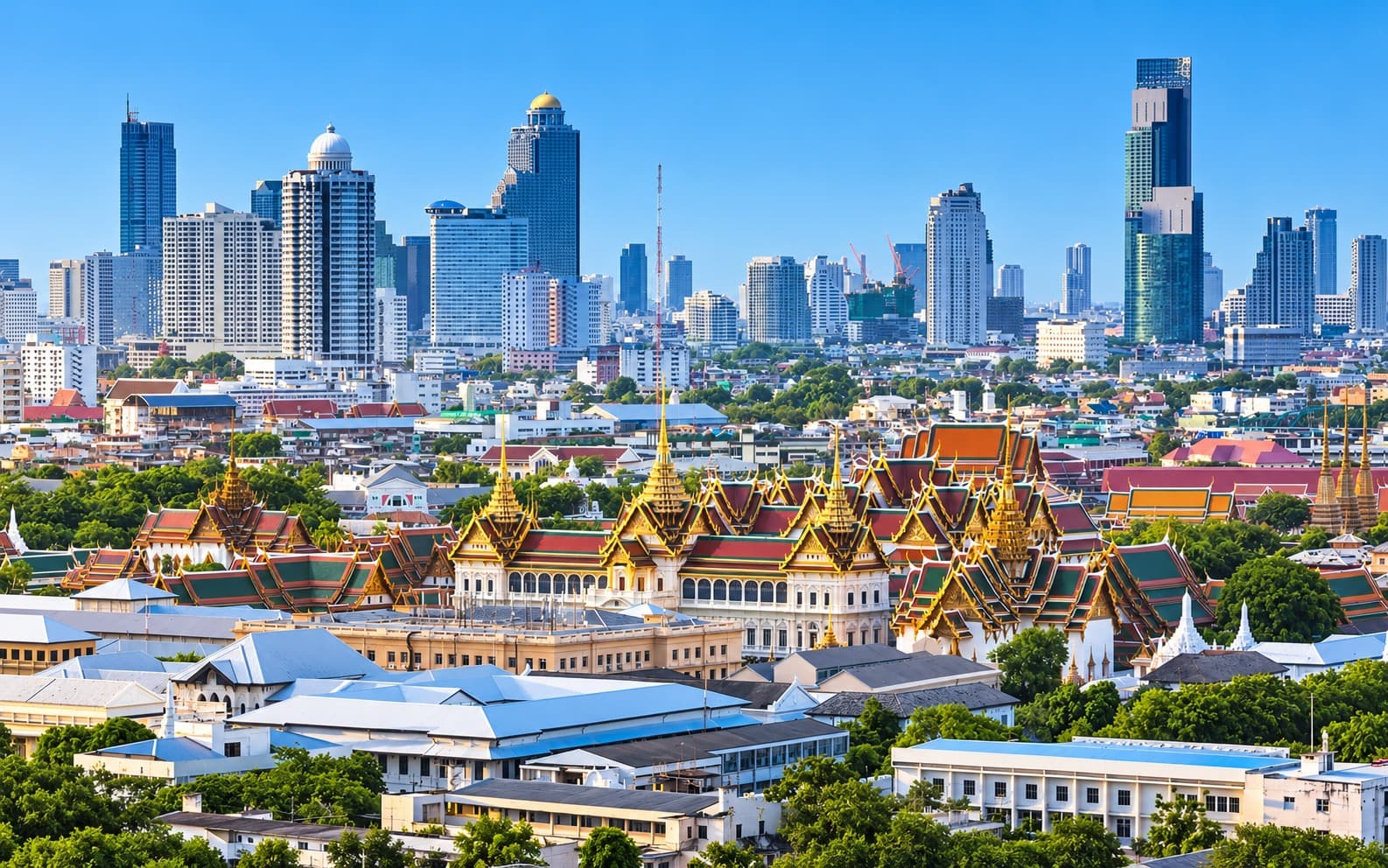
Thailand hanteert zijn eigen regels: condo's zijn volledig eigendom mogelijk binnen het quotum van 49% voor buitenlanders, grond is niet beschikbaar voor buitenlanders, en de meeste aankopen zijn contant. De huurvraag in hubs als Phuket doet de rest van het overtuigingswerk.
Veelgestelde vragen
Kan een buitenlander vastgoed in het buitenland volledig in eigendom hebben?
In de meeste populaire bestemmingen wel, al verbindt bijna elk land er ergens een voorwaarde aan: een quotum, een zone, een toestemmingsformulier of een grondbeperking. Het praktische antwoord voor uw exacte situatie kost één telefoontje naar een lokale advocaat, en dat telefoontje is de moeite waard vóórdat u een shortlist maakt, niet erna.
Hoe lang duurt het om vastgoed in het buitenland te kopen?
Reken de zoektocht apart. Zodra uw bod is geaccepteerd, bereikt een aankoop van een bestaande woning doorgaans binnen twee tot drie maanden de oplevering, bepaald door due diligence, financiering en de agenda van de notaris. Nieuwbouw is klaar wanneer de bouw klaar is, en dat kan een jaar of drie verder liggen.
Moet ik reizen om te kopen?
Meestal niet. In de meeste van onze 13 landen kan uw advocaat via een volmacht alles ondertekenen, en veel kopers ronden af zonder tweede reis. Toch pleiten wij voor minstens één bezichtigingsreis. Foto's registreren geen geluid, geuren of het haantje van de buren.
Geeft het kopen van vastgoed in het buitenland mij verblijfsrecht?
Alleen waar een actief programma dat toestaat. Het golden visa van Spanje eindigde in april 2025 en de vastgoedroute van Portugal sloot in oktober 2023, dus geen van beide hoort vandaag nog in een plan. Griekenland, Cyprus, Turkije en de VAE koppelen vastgoed nog altijd aan verblijf of staatsburgerschap, elk op zijn eigen manier met eigen drempels en voorwaarden. Controleer de actuele regels bij officiële bronnen vóór de aankoop, niet erna.