Dubaj od dawna zajmuje czołowe miejsca w światowych rankingach rentowności najmu, i tym razem to nie jest tylko chwyt marketingowy. Aktualne analizy rynkowe pokazują rentowność brutto mieszkań w mieście w przedziale 5,5-7,5%, przy czym po odliczeniu realnych kosztów netto wychodzi zwykle 3-5%. Centrum Londynu daje około 3-4% brutto, zanim jeszcze fiskus weźmie swoją część. Berlin plasuje się jeszcze niżej. Liczby z Dubaju znoszą zderzenie z rzeczywistością lepiej niż większość innych rynków, a powody są strukturalne.
Średnia dla całego miasta skrywa jednak to, co najważniejsze. Rentowność to tu gra dzielnicami. Kawalerka w International City może dać ponad 8% brutto, a mieszkanie na Palm Jumeirah ledwie 3% netto — i obaj właściciele mogą mieć rację. Po prostu grają w inną grę, za inne pieniądze.
Ten przewodnik pokazuje, gdzie faktycznie leży rentowność, warstwa po warstwie, a potem robi to, czego większość tabel z rentownością nie robi: przelicza brutto na netto według specyficznej dla Dubaju struktury kosztów. Opłaty serwisowe, rachunki za chłodzenie, tygodnie pustostanu, prowizje zarządcy. Właśnie tam kryje się uczciwa liczba.
Dlaczego Dubaj przebija większość świata
Zacznijmy od tego, czego tu nie ma. W Dubaju nie istnieje coroczny podatek od nieruchomości. Żadnego odpowiednika polskiego podatku od nieruchomości, taxe foncière czy IMI — nic, co co roku po cichu wystawia rachunek za sam fakt posiadania. Przy zakupie płaci się jednorazowo 4% opłaty transferowej Dubai Land Department i na tym kończą się powtarzalne obciążenia państwowe.
Dochody z najmu również nie są opodatkowane, przynajmniej w przypadku prywatnych właścicieli w ZEA. Wynajmujący w Manchesterze może stracić na podatku dochodowym nawet 45% zysku z najmu. Wynajmujący w Dubaju zatrzymuje wszystko, chyba że jest rezydentem podatkowym kraju, który opodatkowuje dochody z całego świata. Dla wielu kupujących ta jedna różnica zamienia przeciętną rentowność brutto w solidną rentowność netto.
Do tego dochodzi pula najemców. Około 90% mieszkańców Dubaju urodziło się za granicą, większość wynajmuje, a miasto od dekad przybywa ludnością w tempie, jakiego europejskie stolice nie widziały. Nowo przybyli najpierw potrzebują mieszkania, dopiero potem reszty. Umowy są roczne i rejestrowane w rządowym systemie Ejari, a podwyżki czynszu przy odnowieniu ograniczone są indeksem najmu RERA, który dopuszcza podwyżkę tylko wtedy, gdy obecny czynsz jest wyraźnie poniżej średniej dla porównywalnych lokali.
Jest jeszcze jeden szczegół, który dla odmiany miło zaskakuje nowych właścicieli. Gminna opłata mieszkaniowa, 5% rocznego czynszu, jest doliczana najemcy do rachunku za media DEWA. Na większości rynków europejskich odpowiednik tej opłaty spada na właściciela.
Nic z tego nie czyni Dubaju rynkiem bez ryzyka. Podaż napływa falami, czynsze potrafią szybko ruszyć w obie strony, a każdy, kto kupował w 2008 roku, opowie, jak wygląda spadek. Chodzi tylko o jedno: bazowa ekonomia trzymania nieruchomości na wynajem tutaj wypada lepiej niż w większości miast walczących o ten sam kapitał.
Wzór jest prosty: przystępność cenowa napędza rentowność
Mapa rentowności Dubaju trzyma się jednej reguły z niezmienną konsekwencją. Im tańsza dzielnica za metr kwadratowy, tym wyższa rentowność brutto. Czynsze spadają wolniej niż ceny, gdy schodzimy niżej po drabinie cenowej, więc relacja się poprawia. Każdy ranking dzielnic tego miasta opowiada tę samą historię w trzech warstwach, bez względu na to, kto go tworzy.
Warstwa wysokiej rentowności: JVC, International City i sąsiedzi
Jumeirah Village Circle stało się domyślną odpowiedzią na pytanie "gdzie jest rentowność?", i dane potwierdzają tę reputację. Wyniki brutto powyżej 8% często pojawiają się przy kawalerkach i jednopokojowych mieszkaniach w JVC. International City na papierze notuje jeszcze wyższe liczby, zwłaszcza w starszych budynkach klastrowych, gdzie ceny wejściowe za kawalerki należą do najniższych w mieście. Dubai Sports City, Silicon Oasis i Discovery Gardens należą do tej samej rodziny: dzielnice dla klasy średniej, niski próg wejścia, stały popyt ze strony osób dojeżdżających przez całe miasto, które chcą, by czynsz mniej bolał.
Mechanizm jest prosty. Jednopokojowe mieszkanie w JVC wciąż kosztuje wyraźnie mniej niż połowę odpowiednika w Dubai Marina, a wynajmuje się je za jakieś dwie trzecie stawki z Marina. Podziel jedną liczbę przez drugą, a różnica w rentowności wyjdzie sama.
Kompromisy zasługują na taką samą uwagę. Wzrost wartości kapitału w tych dzielnicach historycznie odstawał od dzielnic prestiżowych. Podaż wciąż napływa; JVC od lat pozostaje jedną z najbardziej zabudowywanych stref miasta, a każdy sezon odbiorów dokłada konkurencyjne lokale. Jakość wykonania mocno różni się między deweloperami, a niektóre budynki borykają się ze sporami o opłaty serwisowe lub zaległym utrzymaniem, które zjadają właśnie tę rentowność, po którą się przyszło. W tej warstwie ocenia się budynek, nie dzielnicę.
Zrównoważony środek: JLT, Business Bay, Dubai Marina
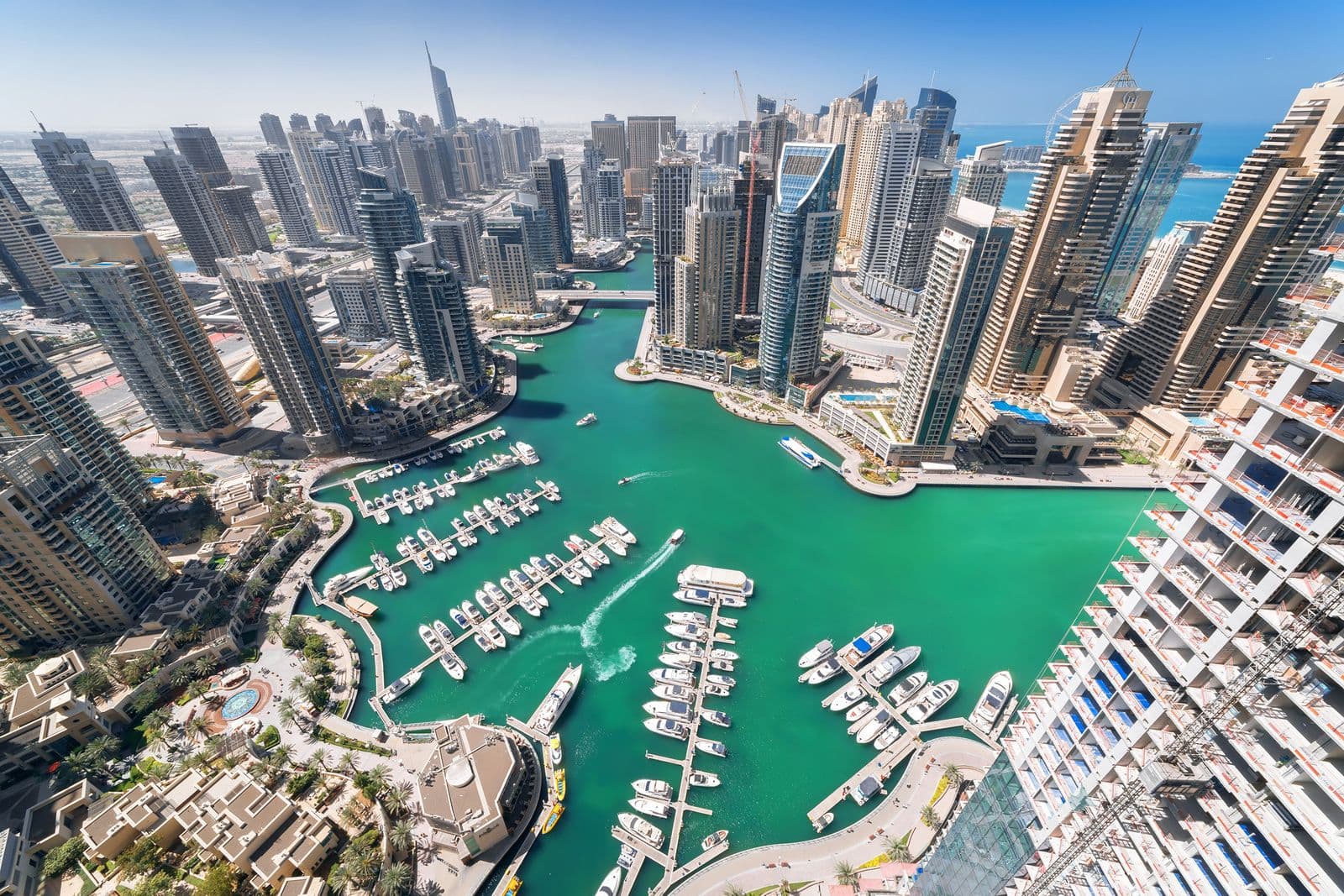
Dla tej warstwy najczęściej podaje się rentowność brutto rzędu 6-7%, a to, co traci się na nagłówkowej stopie zwrotu, odzyskuje się w płynności i głębokości puli najemców. Jumeirah Lake Towers żyje z biur w strefie wolnocłowej rozsianych między klastrami; tysiące osób mogą dojść do pracy pieszo, co skraca pustostany. Business Bay pożycza lokalizację Downtown w niższej cenie i imponująco się zabudowało od otwarcia kanału. Marina pozostaje najbardziej płynnym rynkiem odsprzedaży w mieście i najsilniejszą strefą krótkoterminowego najmu, z dwiema stacjami metra i linią tramwajową łączącymi ją z resztą Dubaju.
Przy pierwszym zakupie w Dubaju spory zwykle kończą się właśnie na tej środkowej warstwie. Rentowność pokrywa większość kosztów finansowania, wyjście z inwestycji jest proste, a pula najemców na tyle głęboka, że dobrze wycenione mieszkanie znika w ciągu tygodni. Te dzielnice omówiliśmy pojedynczo w naszym przewodniku po najlepszych dzielnicach do kupna mieszkania w Dubaju.
Warstwa prestiżowa: Downtown Dubai i Palm Jumeirah
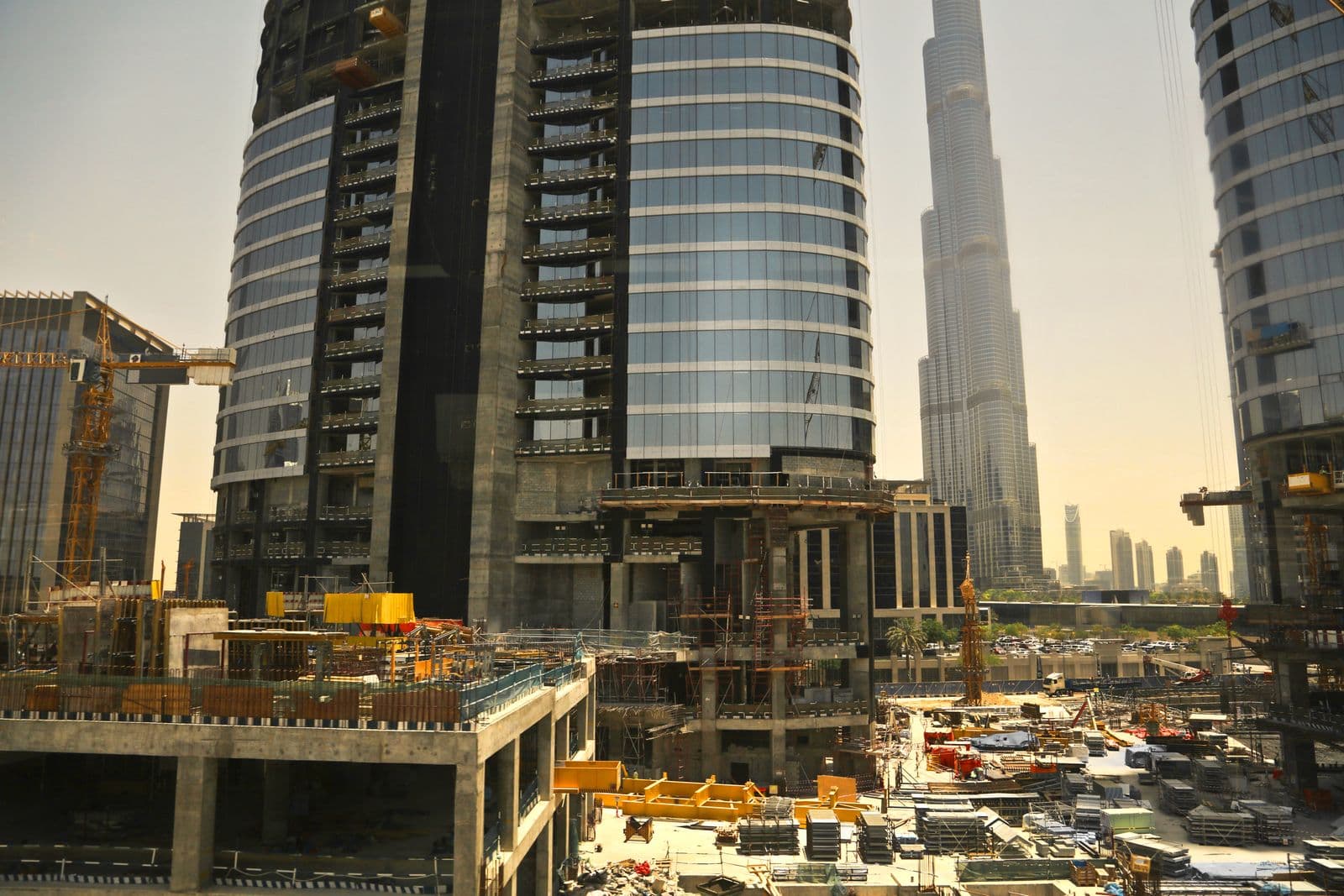
Aktualne analizy pokazują rentowność netto dla obu flagowych dzielnic na poziomie około 3%, czasem niżej dla większych lokali. Nikt rozsądny nie kupuje Palmy dla przepływów pieniężnych. To gra o kapitał i styl życia: ceny za metr kwadratowy na szczycie rynku, dopasowane do nich opłaty serwisowe, a zwrot opierający się głównie na rzadkości — Palma jest tylko jedna, i tylko jeden rząd wież z widokiem na fontanny przy Burj Khalifa.
To uzasadniona strategia. Prestiżowy Dubaj od 2020 roku notuje solidny wzrost wartości, a 3% rentowności netto na aktywie, które przy okazji zyskuje na wartości, może w efekcie przebić 8% na czymś, co wartości nie zyskuje. Trzeba tylko wiedzieć, w jaką grę się gra, zanim podpisze się umowę, bo koszty utrzymania prestiżowych nieruchomości karzą za niezdecydowanie.
Warto obserwować: Arjan, Dubai South, Town Square
Poniżej ugruntowanych nazw kilka młodszych dzielnic notuje liczby przypominające wczesne JVC. Arjan, obok Miracle Garden, oddaje falę za falą lokali z segmentu średniego i szybko je wynajmuje. Dubai South leży obok lotniska Al Maktoum i klastra miejsc pracy Expo City, a analizy tego obszaru regularnie plasują jego rentowność brutto blisko czołówki miejskiej tabeli. Town Square przyciąga młode rodziny wypchnięte z osiedli willowych przez ceny. Zastrzeżenie jest za każdym razem takie samo: to lokalizacje z jednym motorem napędowym. Rentowność oparta na jednym czynniku popytu zasługuje na szerszy margines ryzyka niż rentowność oparta na całym mieście — warto wliczyć ten margines w kalkulację, zamiast zakładać, że dzisiejszy strumień najemców jest trwały.
Wille: niższa rentowność, inna rola
Wille dają niższą rentowność brutto niż mieszkania niemal wszędzie w Dubaju. Często podawane liczby to około 4,5-6% dla osiedli willowych wobec 5,5-7,5% dla mieszkań. Czynsze w liczbach bezwzględnych są wysokie, ale ceny zakupu jeszcze wyższe, a koszty utrzymania domu wolnostojącego — ogród, prywatny basen, większe obciążenie klimatyzacji, więcej powierzchni, która może się popsuć — spadają w całości na właściciela.
W zamian wille dają stabilność i grunt. Najemcy-rodziny przedłużają umowy na lata, nie na miesiące, koszty rotacji maleją, a to właśnie w komponencie gruntu tkwiła większość powojennego (po 2020 roku) wzrostu kapitału w Dubaju; osiedla takie jak Arabian Ranches czy The Springs zyskały znacznie bardziej na cenie niż na czynszu. Budżetowe osiedla willowe, jak Damac Hills 2, pchają rentowność will w górę przedziału dla kupujących, którzy chcą domu, który mimo to na siebie zarabia. Zasada w skrócie: mieszkania na dochód, wille na wzrost i spokojniejsze posiadanie.
Brutto kontra netto: gdzie ucieka marża
Każda liczba podana wyżej jest brutto, o ile nie zaznaczono inaczej, a w Dubaju różnica między brutto a netto jest większa, niż oczekują nowi właściciele. Dominuje jedna pozycja kosztowa.
Opłaty serwisowe. Właściciele w budynkach wspólnotowych płacą roczną opłatę za metr kwadratowy na utrzymanie części wspólnych, a stawki w Dubaju są wysokie jak na standardy międzynarodowe. Często podawane kwoty wahają się od około 10 AED za stopę kwadratową w prostszych budynkach na przedmieściach do 30 AED i więcej w wieżach premium i na Palmie. Przy jednopokojowym mieszkaniu 750 stóp kwadratowych i stawce 18 AED za stopę daje to 13 500 AED rocznie, znikające zanim zapłaci się cokolwiek innego — wystarczająco dużo, by samodzielnie zabrać ponad pełny punkt procentowy z rentowności brutto mieszkania wartego milion dirhamów.
Chłodzenie to pozycja podstępna. Wiele wież korzysta z chłodzenia miejskiego od dostawców takich jak Empower czy Emicool. Najemcy zwykle płacą za zużycie, ale w części budynków to właściciel ponosi stałą opłatę za moc, niezależnie od tego, czy lokal jest zajęty. Ogłoszenia "chiller-free" brzmią przyjaźnie dla najemcy i szybciej się wynajmują, ale ten zwrot oznacza, że właściciel wliczył koszt chłodzenia w czynsz. Zanim policzysz choćby jedną liczbę, ustal dokładnie, jak chłodzenie jest rozliczane w tej konkretnej wieży.
Na to wszystko nakładają się zwykłe ubytki: zarządzanie nieruchomością za około 5% rocznego czynszu przy długim najmie, malowanie i generalne sprzątanie między najemcami, drobne naprawy oraz pustostan trwający zwykle od dwóch do sześciu tygodni po wyprowadzce najemcy. Roczne umowy sprawiają, że najemcy w Dubaju są mobilni; gdy obok otwiera się nowsza wieża w tej samej cenie, część twoich najemców się przeprowadzi.
Dwie mniejsze pozycje dopełniają obraz. Rejestracja każdej umowy najmu w Ejari kosztuje kilkaset dirhamów, drobiazg sam w sobie, ale łatwo o nim zapomnieć w kalkulacji. A jeśli agent znajdzie najemcę, gdzieś ląduje prowizja za pośrednictwo w wysokości około 5% rocznego czynszu za pierwszy rok; rynek historycznie przerzucał ją na najemców, ale przy wolniej rotujących lokalach właściciele coraz częściej przejmują ją na siebie, byle wynająć lokal.
Jeśli chcesz pełny zestaw obliczeń — brutto, netto i cash-on-cash z kredytem hipotecznym w tle — formuły znajdziesz w naszym przewodniku o tym, jak naprawdę działa rentowność najmu. Reszta tego artykułu po prostu stosuje je do liczb z Dubaju.
Przykład na liczbach: 7% w ogłoszeniu, 4,6% na koncie
Weźmy hipotetyczne jednopokojowe mieszkanie w JVC. Cena zakupu 1 000 000 AED. Koszty zakupu dodają mniej więcej 6,5%: 4% opłaty transferowej DLD, 2% prowizji agencyjnej, plus opłaty powiernicze i administracyjne, więc łączny koszt to 1 066 000 AED. Wynajmuje się za 70 000 AED rocznie, co daje 7% rentowności brutto widniejącej w ogłoszeniu.
Teraz koszty bieżące na typowy rok:
- Opłaty serwisowe przy 15 AED za stopę kwadratową na 750 stopach: 11 250 AED
- Zarządzanie nieruchomością przy 5% czynszu: 3 500 AED
- Rezerwa na pustostan, około dwóch i pół tygodnia rocznie: 3 400 AED
- Konserwacja, drobne naprawy i ubezpieczenie: 2 850 AED
Razem: 21 000 AED, czyli 30% czynszu. Dochód netto 49 000 AED. Podziel to przez łączny koszt 1 066 000 AED i wychodzi rzeczywista rentowność 4,6% netto. Wciąż wygodnie lepiej niż to, co te same pieniądze przyniosłyby w większości europejskich stolic po opodatkowaniu. Ale to daleko od 7%, a ta różnica 2,4 punktu procentowego to właśnie różnica między broszurą a wyciągiem bankowym.
Szybki test wiarygodności dla każdego mieszkania w Dubaju: odejmij 25-35% od czynszu brutto na koszty bieżące i dodaj 6-7% do ceny na koszty zakupu. Jeśli transakcja nadal się opłaca po tej korekcie, to naprawdę się opłaca.
Najem krótkoterminowy kontra długoterminowy: policz obie opcje
Dubaj wyjątkowo ułatwia najem wakacyjny. Zarejestruj lokal w ramach zezwolenia DTCM na dom wakacyjny i możesz prowadzić go sam albo przekazać licencjonowanemu operatorowi. Liczby brutto wyglądają kusząco. To samo jednopokojowe mieszkanie w JVC, dające 70 000 AED przy najmie rocznym, może być wystawione za 400-450 AED za noc; przy obłożeniu 70% przychód wychodzi około 105 000-115 000 AED.
Koszty rosną równie szybko. Operatorzy pobierają 15-25% przychodu. Właściciel płaci teraz DEWA, internet, chłodzenie, sprzątanie i opłaty za zezwolenie, plus 40 000-60 000 AED z góry na wyposażenie mieszkania do standardu wakacyjnego. Obłożenie mocno spada w lipcu i sierpniu, gdy miasto pustoszeje, a stawki za noc lecą razem z nim. Policzone uczciwie, wynik netto w dzielnicy dla dojeżdżających często ledwie przewyższa najem roczny, przy dużo większej zmienności i dużo większym zaangażowaniu czasu.
Tam, gdzie krótkoterminowy najem naprawdę wygrywa, decyduje geografia turystyczna. Marina, JBR, Downtown i Palma przyciągają gości, którzy płacą za samą lokalizację, utrzymują wysokie obłożenie przez większość roku i pozwalają na stawki za noc, jakich roczny najemca nigdy by nie zapłacił. W JVC czy Silicon Oasis najem roczny zwykle wygrywa, gdy tylko wliczy się własny czas do arkusza kalkulacyjnego.
Broszura z "gwarantowanym 8%", czytana uważnie
Oferty gwarantowanego zwrotu są wszędzie w marketingu dubajskich inwestycji off-plan: 8% przez trzy lata, czasem 10% przez dwa. Czytaj je jako cenę, nie jako rentowność. Gwarancja to pieniądze, które już zapłaciłeś, zwracane w ratach według harmonogramu. Deweloperzy nie prowadzą działalności charytatywnej, a koszt finansowania takich wypłat na tyle często jest wliczony w cenę zakupu, że lepiej zakładać, iż zawsze tak jest.
Cztery pytania sprowadzają większość ofert do ich rzeczywistej wartości:
- Za ile wynajmują się dziś porównywalne lokale? Sprawdź czynsze zarejestrowane w Ejari, nie prognozy dewelopera.
- Kto płaci opłaty serwisowe w okresie gwarancji? "8% netto", które po cichu pomija 20 AED za stopę kwadratową opłat, jest bliższe 6%.
- Co dzieje się po wygaśnięciu gwarancji? Jeśli czynsz rynkowy odpowiada 5,5%, twój dochód spadnie w dniu, w którym gwarancja przestaje działać, a przyszli nabywcy wycenią twój lokal właśnie w oparciu o tę rzeczywistość.
- Kto stoi za tą obietnicą? Gwarancja czynszowa to niezabezpieczone zobowiązanie dewelopera, warte dokładnie tyle, ile jego bilans.
Niektóre programy apartamentów hotelowych i uznani deweloperzy prowadzą te systemy uczciwie. Wielu innych nie. Tak czy inaczej, gwarantowaną liczbę traktuj jako chwyt marketingowy do rozłożenia na czynniki pierwsze, nigdy jako rentowność, na której można polegać.
Jak samodzielnie zweryfikować liczby
Nie musisz wierzyć niczyjej tabeli rentowności na słowo, naszej też nie. Dubai Land Department publikuje dane transakcyjne publicznie, indeks najmu RERA można sprawdzić za darmo, a dzięki rejestracji w Ejari dla niemal każdego budynku w mieście istnieją zapisy rzeczywiście osiąganych czynszów, nie tylko cen ofertowych. To ma znaczenie, bo ceny ofertowe na portalach zawyżają to, co dostają sprzedający, a czynsze ofertowe zawyżają to, co płacą najemcy; rentowność wyliczona z dwóch liczb ofertowych dziedziczy oba błędy w korzystnym kierunku.
Gdzie się da, opieraj się na zarejestrowanych danych dla konkretnej wieży, którą wyceniasz. I podchodź podejrzliwie do każdej rentowności podanej z dokładnością do dwóch miejsc po przecinku. Taka precyzja zwykle oznacza, że ktoś po prostu podzielił jedną liczbę marketingową przez drugą.
Taki jest więc uczciwy obraz: argumenty strukturalne są prawdziwe, rozrzut między dzielnicami jest ogromny, a liczba, która się liczy, to netto. Zdecyduj, jaką rolę ma pełnić kapitał — dochód teraz czy wzrost później — i dobierz warstwę do tego celu. Gdy będziesz gotów spojrzeć na aktualną ofertę, sekcja ZEA na HomeNSearch obejmuje mieszkania i wille we wszystkich dzielnicach opisanych w tym artykule, a nasz zespół chętnie sprawdzi liczby dla konkretnego lokalu, zanim podejmiesz decyzję.
FAQ
Jaka rentowność najmu w Dubaju jest dobra?
Aktualne analizy rynkowe traktują 5,5-7,5% brutto jako normalny przedział dla mieszkań, więc wszystko powyżej około 7% brutto, czyli około 5% netto, liczy się jako wynik dobry. Poniżej 4% brutto wchodzimy w segment prestiżowy, gdzie inwestycja opiera się na wzroście wartości, a nie na dochodzie.
Która dzielnica Dubaju ma najwyższą rentowność najmu?
Prowadzi przystępny cenowo segment średni. JVC i International City najczęściej wymieniane są jako przekraczające 8% brutto, tuż za nimi Dubai Sports City i Silicon Oasis. Kompromisem jest wolniejszy wzrost wartości kapitału i stały napływ nowej podaży konkurującej o twoich najemców.
Czy rentowność najmu w Dubaju rzeczywiście jest wolna od podatku?
W samych ZEA tak, dla prywatnych właścicieli: brak rocznego podatku od nieruchomości i brak podatku osobistego od dochodu z najmu. Twój kraj zamieszkania może jednak nadal opodatkować ten dochód, jeśli jesteś tam rezydentem podatkowym, więc sprawdź lokalne przepisy i ewentualną umowę o unikaniu podwójnego opodatkowania, zanim założysz, że zwrot jest w pełni wolny od podatku.
Czy najem krótkoterminowy zarabia więcej niż długoterminowy w Dubaju?
Przychód brutto zwykle wychodzi wyższy; netto jest bliżej siebie, niż większość osób się spodziewa. Po odjęciu prowizji operatora w wysokości 15-25%, mediów, wyposażenia i letniego spadku obłożenia, najem krótkoterminowy wyraźnie bije roczny głównie w dzielnicach turystycznych, takich jak Marina, JBR i Downtown. W dzielnicach dla dojeżdżających najem roczny zwykle daje więcej na godzinę włożonego wysiłku.