Cypr to niewielka wyspa, na której działa pięć rynków nieruchomości, ledwie do siebie podobnych. Limassol żyje z pieniędzy korporacyjnych. Pafos żyje z emerytów i słońca. Larnaka żyje ze swojego lotniska, Nikozja z pensji urzędniczych, a wybrzeże Famagusty z jakichś dwunastu gorączkowych tygodni lata. Kupisz nie tam, gdzie trzeba, a dostaniesz zupełnie przyzwoitą nieruchomość, która po prostu nie spełni swojego zadania.
Poniżej szczera wersja tego porównania: dla kogo pasuje każde miejsce, jak naprawdę wygląda tam zabudowa, kiedy wpadają pieniądze z najmu i jakie kompromisy agenci zwykle pomijają. Mechanikę samego zakupu (prawnicy, umowy, kolejka do wydziału ksiąg wieczystych) opisaliśmy w poradniku jak kupić nieruchomość na Cyprze. Tutaj odpowiadamy tylko na jedno pytanie: gdzie.
Limassol: stolica biznesu
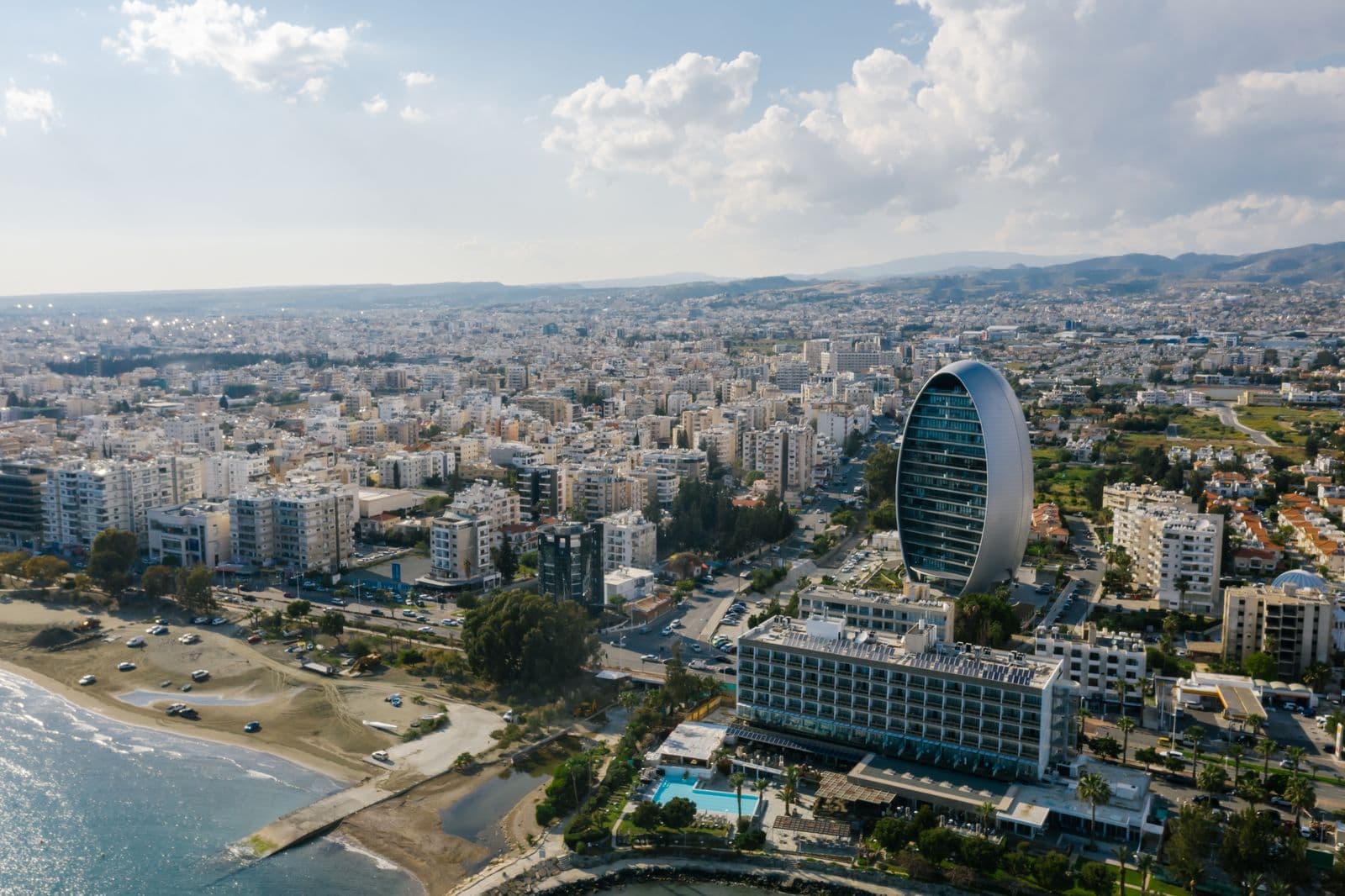
To w Limassol Cypr zarabia na życie. Skupiają się tu firmy forex i fintech, od dekad działają stąd spółki żeglugowe, a kompleks kasynowy City of Dreams razem z falą relokacji technologicznych po 2020 roku wciągnęły lokalny rynek pracy na zupełnie inny poziom niż reszta wyspy. To marina wyznaczyła ton nowoczesnej linii brzegowej: wieżowce, apartamenty pod markami deweloperskimi, restauracje wycenione pod firmowe konta wydatków.
Ci wszyscy pracodawcy potrzebują mieszkań dla personelu. To cały argument inwestycyjny i to argument mocny. Limassol ma najgłębszy w całym kraju, całoroczny popyt na wynajem, zdominowany przez roczne umowy zawodowe, a nie rezerwacje wakacyjne. Okresy pustostanu są krótkie. Najemcy mają stałą pensję. Gdy w końcu sprzedasz, trafisz na najbardziej płynny rynek wyspy, do puli międzynarodowych kupujących, która nigdy naprawdę się nie kurczy. Wzrost wartości szedł za miejscami pracy: w ostatniej dekadzie Limassol wyprzedził wszystkie inne okręgi, a każda kolejna relokacja biura napędza tę samą pętlę — więcej personelu, więcej popytu, wyższe czynsze.
Za to wszystko się płaci. Limassol ma najwyższe ceny na wyspie w każdej kategorii, a różnica względem pozostałych miast raczej rośnie niż maleje. Pas nadmorski od starego portu po Agios Tychonas wyceniany jest dziś jak w stolicy. Zabudowa dzieli się z grubsza na trzy pasma: nowe wieżowce i apartamenty przy marinie na szczycie, bloki z lat 80. i 90. w centrum, często wymagające pełnego remontu, oraz rodzinne wille na przedmieściach — Germasogeia, Agios Athanasios, Mouttagiaka. Korki są tu najgorsze na całej wyspie. Plaże też, szczerze mówiąc, nie są mocną stroną miasta.
Limassol pasuje inwestorom, którzy chcą pewnych, długoterminowych najemców i płynnej odsprzedaży, oraz osobom przenoszącym się tu dla pracy. Słabo sprawdza się jako miejsce na spokojną emeryturę albo dla kogoś, kogo budżet gdzie indziej kupiłby willę, a tutaj tylko małe mieszkanie.
Pafos: życie w stylu resortu i serce emigracyjnej wspólnoty
Godzina jazdy na zachód i wyspa zmienia charakter. Pafos jest wolniejszy, zimą bardziej zielony, zbudowany wokół gości, nie urzędników. To tu mieszka też największa międzynarodowa społeczność Cypru. Brytyjczycy osiedlają się tutaj od czterdziestu lat, dołączyli do nich Niemcy, Skandynawowie, Izraelczycy i stały strumień kupujących z Europy Wschodniej. We wioskach na wzgórzach, jak Tala czy Peyia, w supermarkecie częściej usłyszysz angielski niż grecki.
Historia nieruchomości tutaj to wille — nigdzie indziej na wybrzeżu nie dostaniesz tyle domu za te same pieniądze. Wolnostojący dom z trzema sypialniami i prywatnym basenem w Peyia albo Chloraka może kosztować mniej więcej tyle, co przeciętne mieszkanie w centrum Limassol. Kato Pafos, przy porcie, to teren apartamentów pod wynajem wakacyjny. Coral Bay dodaje prestiżu pierwszej linii brzegowej, a Kouklia i pola golfowe na wschód od miasta przyciągają kupujących szukających strzeżonego kompleksu resortowego. Stare miasto, odświeżone przy okazji tytułu Europejskiej Stolicy Kultury w 2017 roku, ma niewielką, ale rosnącą scenę renowacyjną.
Popyt na wynajem jest realny, ale sezonowy. Wynajem wakacyjny działa pełną parą od kwietnia do początku listopada, potem rynek się odwraca: zimowy popyt tworzą długoterminowi goście z północnej Europy uciekający przed chłodem, przy niższych stawkach. Właściciele, którzy obsługują oba sezony, potrafią utrzymać nieruchomość zarabiającą przez większość roku. Praktyczna uwaga: Pafos ma własne lotnisko na skraju miasta, ale połączenia są głównie wypoczynkowe, a zimowy rozkład się przerzedza, więc mieszkańcy poza sezonem często jeżdżą na loty do Larnaki. Czego Pafosowi brakuje, to głębokiego lokalnego rynku pracy — kupujący od ciebie w przyszłości niemal na pewno będzie kolejnym obcokrajowcem, a w czasie dekoniunktury to właśnie ta pula kurczy się jako pierwsza.
Pafos pasuje osobom przenoszącym się na stałe, emerytom i kupującym dom wakacyjny, którzy szukają stylu życia za rozsądne euro. Ci, którym zależy wyłącznie na rentowności, zwykle lepiej wychodzą dalej na wschód.
Larnaka: wartość tuż przy pasie startowym
Hasło Larnaki było kiedyś proste: najtańsze nadmorskie miasto, dziesięć minut od głównego lotniska wyspy. Dziś dochodzi drugi wątek. Port i marina mają zostać przebudowane w nową dzielnicę nadwodną, zbiorniki na ropę, które przez dekady stały wzdłuż drogi wybrzeżnej, w większości zniknęły, a deweloperzy wypchnięci cenami z Limassol przenieśli się tutaj z projektami średniowysokich bloków mieszkalnych. Niewiele rynków na Cyprze zmieniło się aż tak mocno w ciągu pięciu lat.
Ceny pozostają wyraźnie niższe niż w Limassol, a zwykle też niższe niż w Pafos przy porównywalnej ofercie — właśnie dlatego argument regeneracji przyciąga uwagę. Promenady Finikoudes i Mackenzie obsługują ruch turystyczny. Oroklini, Livadia i Pervolia dostarczają nowszą zabudowę w przyjaźniejszych cenach, a w centrum wciąż stoją stare kamienice z dziedzińcami — część pięknie odrestaurowana, wiele wciąż czeka na swoją kolej.
Profil najmu jest zdrowo mieszany. Lato przynosi wynajem wakacyjny. Przez resztę roku jest stały popyt ze strony personelu lotniska i logistyki, studentów uniwersytetów działających w mieście oraz rosnącej grupy pracujących zdalnie, którym podoba się tanie życie obok międzynarodowego lotniska. Rentowność na papierze często bije Limassol po prostu dlatego, że wejście jest o wiele tańsze.
Kompromisy są jednak realne. Część promenady jeszcze przez lata pozostanie placem budowy, wypolerowanego stylu życia przy marinie tu jeszcze nie ma, a harmonogram regeneracji to obietnica, nie gwarancja. Larnaka pasuje inwestorom nastawionym na wartość, gotowym poczekać, częstym pasażerom lotniczym i kupującym pierwszą nieruchomość za granicą, dla których pozostałe wybrzeża są za drogie.
Nikozja: stolica bez morza
Nikozję zagraniczni kupujący zwykle pomijają, i to zrozumiałe: to jedyne duże cypryjskie miasto bez wybrzeża, a w lipcu najgorętsze miejsce na wyspie. To też tu siedzi rząd, banki, sądy i dwie duże uczelnie. To daje jej coś, czego nie mają miasta nadmorskie: rynek najmu złożony niemal wyłącznie z Cypryjczyków i długoterminowych studentów.
Mieszkania w pobliżu University of Cyprus czy University of Nicosia wynajmują się szybko i pozostają wynajęte. Okresy pustostanu są krótkie, a umowy najmu długie, ale czynsze podążają za krajowymi pensjami, a nie globalną turystyką, więc nie oczekuj wzrostu w stylu kurortu. Zabudowa jest w większości blokowa: budynki w Engomi i Aglantzia przy kampusach, domy rodzinne dalej, w Strovolos i Lakatamii. Jedno trzeba zrozumieć, zanim cokolwiek obejrzysz: stolica jest podzielona, a kupujący powinni trzymać się wyłącznie kontrolowanego przez Republikę południa od Zielonej Linii, bez wyjątków.
Nikozja pasuje właścicielom, którzy chcą nudnych, obłożonych, przewidywalnych w arkuszu kalkulacyjnym mieszkań. Nikt nie kupuje tu domu wakacyjnego czterdzieści pięć minut od plaży.
Wybrzeże Famagusty: Ayia Napa, Protaras i Paralimni
Południowo-wschodni róg wyspy to kraina wynajmu wakacyjnego i wcale tego nie ukrywa. Fig Tree Bay i Nissi Beach mają najczystszą wodę na Cyprze, nowa marina w Ayia Napa dodała kieszeń apartamentów wyższej klasy i miejsc cumowniczych, a zabudowa willowa — prywatny basen, cztery sypialnie, spacer do piasku — od pierwszego szkicu była projektowana pod rynek najmu. Oba kurorty na mapie wyglądają podobnie, ale przyciągają innych gości: Ayia Napa zbudowała markę na życiu nocnym, a teraz próbuje przejść wyżej, z marina jako sztandarowym projektem, podczas gdy Protaras jest spokojniejszy, rodzinny i rezerwuje się wcześniej na lato.
Sezon jest intensywny i krótki. Od czerwca do września dobrze prowadzona willa liczy sobie stawki szczytowe za noc i jest pełna; maj i październik to przyzwoite miesiące przejściowe. Potem po prostu się kończy. Do grudnia znaczna część Protaras zamyka się i nie otwiera z powrotem aż do wiosny. Paralimni, miasteczko kilka minut w głąb lądu, jest wyjątkiem, który żyje cały rok — i tam faktycznie mieszkają właściciele zimujący na miejscu.
Licz się z sezonem, który naprawdę dostaniesz, a nie z rocznym obrazem sugerowanym przez broszurę. Bądź też realistą co do posiadania na odległość: willa na krótkoterminowy wynajem potrzebuje lokalnego operatora do zmian gości, opieki nad basenem i problemów gości, a operator bierze swoją działkę. Ten region pasuje kupującym, którzy chcą domu letniego zwracającego się przy okazji własnych pobytów, oraz inwestorom nastawionym na krótkoterminowy wynajem, którzy godzą się, że dochód wpada w cztery intensywne miesiące. Jako baza całoroczna działa to tylko wtedy, gdy kupujesz w samym Paralimni.
Więc gdzie kupować? Przewodnik decyzyjny
Sprowadźmy wyspę do typów kupujących — wtedy wybór staje się prostszy.
- Inwestor liczący na całoroczny dochód z najmu: najpierw Limassol, Nikozja jako tańsza, czysto krajowa wersja tego samego pomysłu.
- Inwestor stawiający na wzrost wartości: Larnaka, dopóki utrzymuje się zniżka regeneracyjna.
- Inwestor krótkoterminowy: wybrzeże Famagusty pod stawki szczytowe sezonu, Kato Pafos pod dłuższy sezon przy niższych stawkach za noc.
- Przeprowadzka z pracą na wyspie: Limassol, albo Nikozja, jeśli praca jest w stolicy.
- Przeprowadzka na emeryturze lub z dochodem zdalnym: Pafos ze względu na wspólnotę i wille, Larnaka ze względu na budżet i połączenia lotnicze.
- Kupujący dom wakacyjny: Protaras albo Coral Bay, zależnie od tego, do którego wybrzeża tęskni serce.
Pamiętaj, że wyspa jest mała. Z Limassol do Pafos jedzie się autostradą niecałą godzinę, Larnaka leży czterdzieści minut w drugą stronę, a obejrzeć mieszkania w trzech miastach można w ciągu jednego dnia. Nie ma dobrego powodu, żeby wiązać się z jednym rynkiem, nie przespacerowawszy się choćby po promenadzie pozostałych dwóch.
Dwa nawyki przydadzą się bez względu na to, które miasto wygra. Odwiedź okolicę poza sezonem, bo luty pokazuje o kurorcie rzeczy, które ukrywa lipiec. I porównuj, zanim podejmiesz decyzję: nasza strona kraju — Cypr rozkłada wyspę region po regionie, a aktualne oferty można filtrować według miasta, żeby zobaczyć obok siebie, co kupi twój budżet na każdym rynku.
Najczęściej zadawane pytania
Które miasto na Cyprze jest najlepsze pod względem rentowności najmu?
Na papierze Larnaka i kurorty Famagusty, bo ceny wejścia są niskie względem czynszów, jakie generują. W praktyce po odliczeniu kosztów często wygrywa Limassol: obłożenie utrzymuje się cały rok, najemcy podpisują długie umowy i nie ma martwych zimowych miesięcy. Zdecyduj, która liczba cię interesuje: wskaźnik brutto czy kwota, która naprawdę trafia na twoje konto.
Gdzie osiedla się na Cyprze najwięcej zagranicznych kupujących?
Okręg Pafos ma największą międzynarodową społeczność wyspy, z Brytyjczykami jako największą grupą, skupioną w Peyia, Tala, Chloraka i Coral Bay. Limassol przyciąga pracujących zawodowo i inwestorów, a udział zagranicznych kupujących w Larnace rośnie najszybciej, choć z niskiej bazy.
Czy Larnaka to teraz dobra inwestycja?
To klasyczny zakład na regenerację: plany przebudowy nabrzeża, tańsze wejście i główne lotnisko wyspy dziesięć minut stąd. Zakład opłaca się, jeśli projekty zostaną ukończone zgodnie z planem. Kupuj z założeniem lat budowy wzdłuż części promenady i traktuj potencjalny wzrost wartości jako bonus, nie pewnik.
Czy obcokrajowcy mogą kupować nieruchomości w dowolnym miejscu na Cyprze?
Wszędzie w kontrolowanej przez Republikę części południowej — tak. Obywatele UE nie napotykają żadnych ograniczeń, a kupujący spoza UE potrzebują zgody Rady Ministrów, co jest formalnością, ale ogranicza większość z nich do jednej nieruchomości. Trzymaj się z dala od okupowanej północy, gdzie tytuł własności jest sporny, a odsprzedaż to prawne pole minowe.