Спросите пятерых агентов, где в Турции покупать недвижимость, — получите пять уверенных ответов, и каждый будет продиктован тем, что этому агенту нужно продать в этом месяце. Честный ответ короче. Для большинства иностранных покупателей выбор сводится к трём рынкам: Стамбул, Анталья и Бодрум. Какой из них подходит именно вам, зависит от того, зачем вам эта недвижимость. Зарабатывать? Принимать семью каждое лето? Полностью сменить жизнь? Получить паспорт?
Эти три рынка настолько разные, что могли бы принадлежать трём разным странам. Стамбул — работающий мегаполис с населением больше 15 миллионов. Анталья — средиземноморская курортная экономика, которая толком никогда не закрывается. Бодрум — престижный полуостров с коротким и дорогим сезоном. Этот гид сравнивает все три без рекламного глянца, добавляет три достойных внимания альтернативы и заканчивается вердиктами для четырёх типов покупателей.
Один юридический процесс, три совершенно разных рынка
Начнём с обнадёживающей части. Механика покупки почти не меняется от города к городу: иностранцы приобретают недвижимость в полную собственность на своё имя, право собственности фиксируется в ТАПУ (свидетельстве о праве собственности), а чистая сделка закрывается за дни, не за месяцы. Бумаги, налоги и типовые расходы мы разобрали в гиде как купить недвижимость в Турции, так что здесь остаётся вопрос, на который тот гид не отвечает: где именно.
Прежде чем сравнивать города, определитесь с тремя вещами:
- Должна ли недвижимость приносить доход — и в какие месяцы года?
- Сколько недель в году вы реально будете там сами жить?
- Когда вы продадите объект через десять лет, кто станет вашим покупателем: местная семья, иностранный инвестор или отдыхающий, влюбившийся в вид из окна?
Держите эти ответы в голове — они решают почти всё за вас.
Стамбул: экономический двигатель
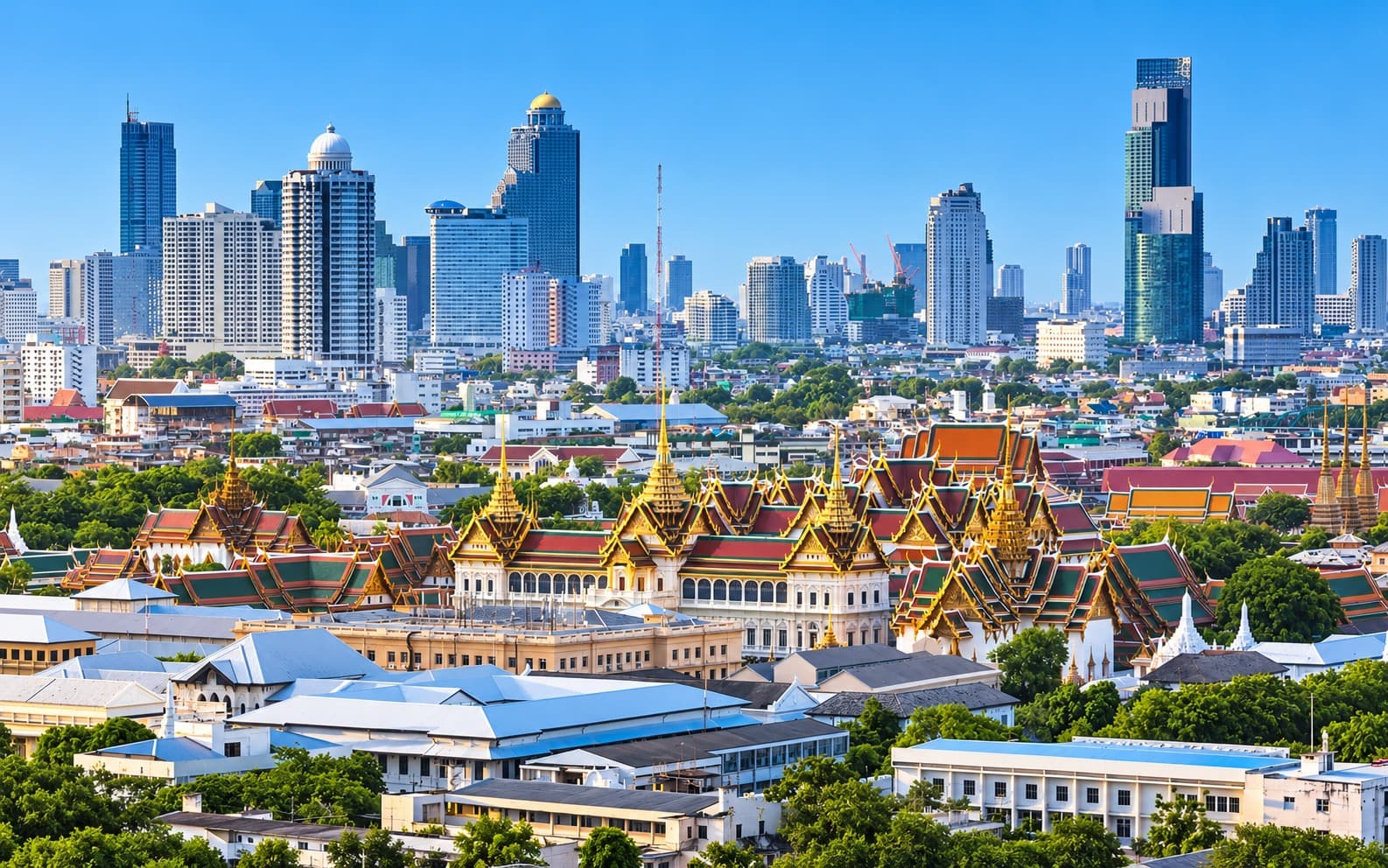
Стамбул — не курорт, и судить его по курортным меркам не стоит. Это экономический центр страны с населением 85 миллионов, и рынок недвижимости здесь ведёт себя соответственно. Арендаторы — местные жители на годовых контрактах. Покупатели на вторичном рынке — тоже местные. Спрос не сворачивается в октябре. Ни один другой турецкий рынок не сравнится глубиной, а глубина — это именно то, что позволяет выйти из актива по справедливой цене и в разумные сроки, когда придёт время продавать.
Кто у вас снимет квартиру, зависит от района: молодые специалисты вокруг Кадыкёя и Шишли, студенты рядом с университетскими кластерами, корпоративные арендаторы в охраняемых комплексах близ деловых районов. В 2018 году открылся новый аэропорт, линии метро прирастают год за годом, а городская экономика год за годом рождает новых арендаторов так, как курортному городку и не снилось.
Европейская сторона или азиатская?
Босфор делит город на два рынка. На европейской стороне — исторический центр и деловые районы: Бешикташ, Шишли и офисный коридор Левента, а дальше — обширные зоны новостроек в Бейликдюзю и Башакшехире, где сосредоточена значительная часть жилья, которое застройщики продают иностранцам. Азиатская сторона спокойнее, и многие местные скажут вам, что жить там приятнее. В Кадыкёе — кафе, культурная жизнь и быстрые паромы через пролив, Ускюдар держит более тихий и традиционный характер, а Аташехир служит деловым центром азиатской части.
На обоих берегах работает одно грубое правило: центральные районы стоят дороже за квадратный метр, зато сдаются и перепродаются без усилий, тогда как окраинные зоны новостроек дешевле и глянцевее, но опираются на обещания будущей инфраструктуры. Не один иностранный покупатель брал квартиру в башне в сорока минутах от чего бы то ни было — а потом обнаруживал, что весь обещанный спрос арендаторов на самом деле живёт в Кадыкёе.
Компромиссы, о которых молчат в буклетах
Доходность долгосрочной аренды в Стамбуле обычно называют в диапазоне 4–6% годовых до вычета расходов. По западноевропейским меркам прилично, по турецким — не впечатляет: курортные квартиры Антальи часто зарабатывают больше. Взамен Стамбул даёт ликвидность и долгосрочный рост капитала, привязанный к реальной городской экономике, а не к туристическим циклам.
Дальше — вопрос о землетрясениях, который заслуживает прямого ответа, а не сноски мелким шрифтом. Город стоит рядом с Северо-Анатолийским разломом, и качество застройки сильно разнится по возрасту и состоянию. Разумный вывод — не избегать Стамбула, а покупать более новое жильё. Строительные нормы ужесточили в 1999 году и снова в 2018-м, поэтому объекты, построенные по действующим правилам, спроектированы иначе, чем усталые пятиэтажки 1980-х, а программы реновации постепенно убирают худшее из старого фонда. Спросите год постройки и разрешительные документы — серьёзный продавец предъявит и то, и другое без лишних драм.
И заложите время на пробки. Восемь километров на карте легко превращаются в потерянный вечерний час.
Анталья: столица образа жизни
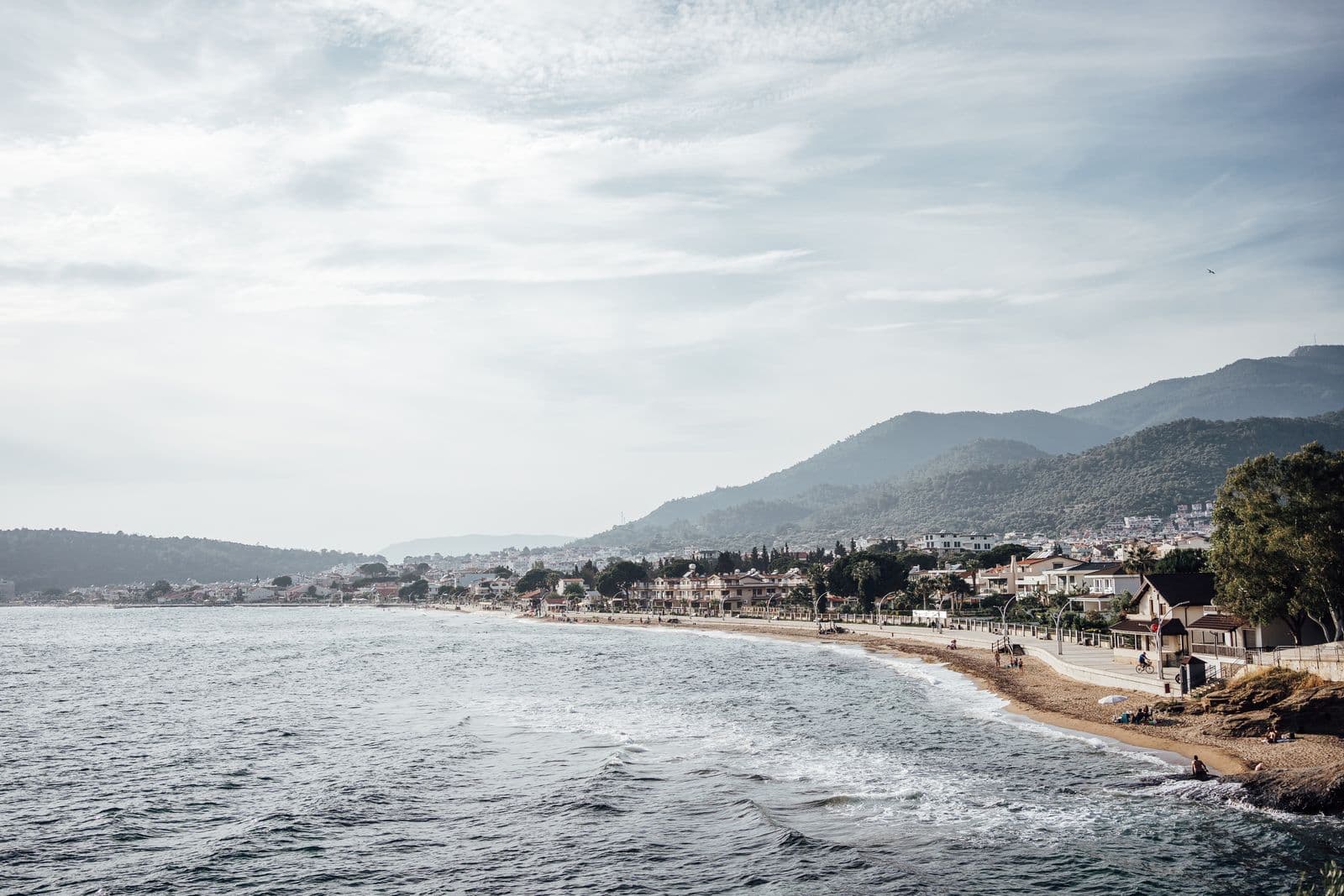
С Антальи большинство иностранных покупателей и начинают знакомство с Турцией — обычно с шезлонга у моря. Под курортной поверхностью скрывается настоящий город с населением больше миллиона, университетами, серьёзными клиниками и аэропортом, который загружен даже зимой. Последнее важнее, чем кажется: город не впадает в спячку, и рынок аренды тоже.
Климат сам по себе делает часть продаж. Зимы достаточно мягкие для прогулки по пляжу в январе, а солнечных дней набирается около 300 в году — поэтому иностранное сообщество здесь не сезонное. Десятки тысяч иностранцев живут в провинции постоянно, и это создаёт спрос на русско- и англоговорящих врачей, международные школы и управляющих недвижимостью, которые берут трубку и в феврале тоже.
Коньяалты, Лара и старый город
Коньяалты, к западу от центра, тянется вдоль длинного галечного пляжа с горами Тавр за спиной — сюда обычно селятся те, кто живёт постоянно, и здесь заметна большая русская, немецкая и скандинавская община. Лара, восточнее, — это песчаный пляж, полоса пятизвёздочных отелей и большинство новых жилых комплексов. Между ними лежит Калеичи, обнесённый стенами османский старый город, где отреставрированные каменные дома работают как бутик-отели и характерное жильё. Владеть таким домом романтично. Ремонтировать — медленно и под жёстким контролем: почти всё здесь охраняется законом о наследии.
Доходность — с одной оговоркой
Доход от сдачи туристам — главная приманка. Хорошо расположенные, грамотно управляемые квартиры у моря обычно называют цифры доходности в верхней однозначной зоне процентов годовых, а в удачные сезоны — и выше. Теперь оговорка: с января 2024 года краткосрочная сдача в Турции требует туристической лицензии, а в многоквартирном доме это означает единогласное согласие всех остальных собственников. Практичный ход — покупать в доме, где краткосрочная сдача с лицензией уже работает, либо считать окупаемость по долгосрочной аренде, а доход от туристов рассматривать как бонус.
Другая оговорка — предложение. Краны над городом не заканчиваются, и немалая часть того, что строится, нацелена именно на иностранных покупателей. Однотипное жильё легко купить и труднее перепродать, поэтому выбирайте локации, которые захотела бы и местная семья: рядом с трамваем, рядом со школами, в пешей доступности от моря.
Бодрум: престижный полуостров
Бодрум играет в совсем другую игру. Это самый престижный адрес Турции — полуостров с белёными деревнями, где давнее ограничение высотности в два этажа не пустило сюда башни и сохранило дефицит. В Ялыкавак — марина для суперъяхт и интернациональная ресторанная сцена. Тюркбюкю пресса называет турецким Сен-Тропе с пляжными клубами, и летняя тусовка здесь включает достаточно актёров, футболистов и промышленников, чтобы кормить светскую хронику. Гюмюшлюк, старая рыбацкая деревня на западной оконечности, нарочно держится в тени.
Рынок здесь прежде всего виллы, квартиры — на втором месте, а цену вытягивают частные бассейны, каменные террасы и вид на море. Покупатели — примерно поровну богатые стамбульские семьи и иностранцы, что даёт полуострову редкую для курортного рынка вещь: глубокий внутренний пул покупателей на перепродаже.
Добраться сюда проще, чем можно подумать по эксклюзивной репутации места. Аэропорт Milas-Bodrum принимает прямые рейсы из Европы весь сезон, а стамбульские рейсы держат полуостров доступным и зимой. Эгейский климат суше и чуть прохладнее средиземноморской жары Антальи, а мельтеми — ветер, за которым гоняются яхтсмены, — делает июльские вечера комфортными.
Компромисс — календарь. С июня по сентябрь полуостров забит до отказа, и хорошая вилла сдаётся по впечатляющим недельным ставкам; уже к ноябрю многие деревни затихают, а часть ресторанов закрывается до весны. Годовая арифметика всё равно может сойтись — меньше недель, зато по куда более высоким ставкам, — но нужно чётко понимать, что вы покупаете: актив для образа жизни с бонусом в виде аренды, а не машину для доходности. Входной билет здесь самый дорогой на турецком побережье, а лучшие позиции у самой воды застроены уже давно — и именно это защищает их цену.
Правило для полуострова: чем дальше от города Бодрум, тем сильнее цену тянет вид. Покупатель в Ялыкавак платит за вид на море, и следующий покупатель будет платить за то же самое.
Три альтернативы, ради которых стоит свернуть
Аланья: пляжный курорт по разумной цене
Два часа на восток от аэропорта Антальи, или двадцать минут от собственного аэропорта в Газипаше — Аланья предлагает Средиземноморье по цене за квадратный метр куда дружелюбнее, чем в самой Антилье. Районы вроде Махмутлара собрали одно из самых плотных интернациональных сообществ Турции, с супермаркетами, кафе и управляющими недвижимостью, давно привыкшими к владельцам-невидимкам. Обратная сторона такого изобилия предложения — конкуренция на перепродаже: ваша двухкомнатная квартира окажется одной из сотен похожих, поэтому конкретное здание и улица здесь важнее, чем где-либо ещё.
Фетхие и Калкан: любимцы британцев
Британские покупатели открыли это побережье десятилетия назад и с тех пор не уезжали. Фетхие — работающий портовый город с жизнью круглый год, пляжем Чалыш вдоль набережной и виллами на холмах в Хисарёню и Овачыке. Калкан, часом дальше, — продукт более рафинированный: террасные виллы на склоне с бесконечными бассейнами и видом на море, которые каждое лето сдаются стабильному потоку отдыхающих, в основном британцев. Заполняемость в сезон отличная, а аэропорт Даламан держит трансферы короткими. Зимой же здесь по-настоящему тихо, а крутые улочки города по достоинству оценят не все колени.
Измир: город, в котором удобно жить
Измир — вариант, о котором почти никто не спрашивает, а зря: многие в итоге оказываются здесь счастливее всего. Третий город Турции огибает широкий залив: Альсанджак в центре, Каршияка через воду, и полуостров Чешме с каменными домами Алачаты меньше чем в часе езды. Это побережье, но расслабленное и однозначно живой город, а не курорт. Рынок движим местными жителями, и это работает в обе стороны: меньше агентов, охотящихся за иностранными деньгами, и меньше жилья, упакованного специально под зарубежного покупателя, зато более устойчивые цены и вторичный рынок, который не зависит от чартерных рейсов.
Денежная картина без ценников
Вместо цифр, которые быстро устареют, лучше думать пропорциями. Бюджет, на который в центре Антальи покупается просторная новая двушка, в хорошем районе Стамбула купит квартиру поскромнее, а в Ялыкавак — возможно, только сад при вилле. Бодрум держит верх ценовой лестницы побережья, центр Стамбула отстаёт от него не сильно, Анталья держит середину, а Аланья дешевле всех.
Стоит сказать и о валюте. Лира десятилетие теряла позиции, поэтому продавцы прибрежного и «гражданского» жилья обычно думают в евро или долларах, даже если в свидетельстве о собственности стоит лира. Долгосрочная аренда, напротив, оговаривается в лирах и пересматривается ежегодно, а туристическая аренда для иностранных гостей обычно ценится в евро. Из этого складывается стратегия: долгосрочная сдача в Стамбуле приносит лировый доход на актив в твёрдой валюте, а туристическая квартира в Антилье зарабатывает почти целиком в твёрдой валюте.
Текущие расходы по западноевропейским меркам щадящие. Годовой налог на имущество — доли процента от оценочной стоимости, обязательная страховка от землетрясений DASK стоит немного, а настоящая статья расходов — это айдат, ежемесячный взнос в управляемых комплексах, который резко растёт в бодрумских комплексах полного цикла с бассейнами, охраной и садовниками на зарплате.
Вердикты: подбираем рынок под задачу
Чистый инвестор
Стамбул — и дисциплина. Берите свои 4–6% и ликвидность, покупайте в центре и что-то новее (Кадыкёй, Шишли, хорошо связанные части европейского центра) и не поддавайтесь окраинным башням, каким бы заманчивым ни выглядел график платежей. Если доход — это вся суть плана, и вы готовы мириться с сезонностью и лицензионной волокитой, легально лицензированная квартира под краткосрочную сдачу у пляжей Антальи скорее всего обгонит стамбульскую квартиру по доходности — ценой более тонкого рынка на выходе.
Семья для отдыха
Анталья выигрывает практичностью: круглогодичные рейсы из большей части Европы, услуги настоящего города, когда у ребёнка среди ночи подскочила температура, и жильё, которое зарабатывает себе на жизнь в те недели, что вы там не живёте. Хочется вилл и деревенского настроения? Фетхие и Калкан меняют часть удобства на очарование. Бодрум входит в шортлист, как только бюджет перестаёт быть ограничением.
Релокант
Подбирайте город под ту жизнь, которую вы переносите. Карьера, которой нужна международная экономика, указывает на Стамбул, и азиатская сторона — то, где многие релоканты оседают после года экспериментов. Если план — прибрежная жизнь с нормальной инфраструктурой, смотрите на Анталью или Измир, а Измир, пожалуй, самый удобный для жизни крупный город страны. Проверяйте шортлист в межсезонье: февраль расскажет о курортном городке то, что июль скрывает.
Покупатель гражданства за инвестиции
Турецкий путь к гражданству идёт через недвижимость стоимостью от 400 000 долларов, которую нужно держать три года. Стамбул поглощает этот бюджет естественнее всего: серьёзное центральное жильё, самый глубокий спрос на перепродаже и большинство проектов, ориентированных именно на программу гражданства, сосредоточены здесь же. Анталья тоже справляется хорошо, часто через два объекта вместе — программа это разрешает. В Бодруме 400 000 долларов — это входной билет, а не заголовок бюджета: рассчитывайте на хорошую квартиру, а не виллу в Ялыкавак. Одно правило важнее всех остальных советов: покупайте то, чем хотели бы владеть даже без паспорта, потому что жильё под гражданство часто продаётся с наценкой, а держать его придётся годами в любом случае.
С чего начать
Выбирайте рынок раньше, чем конкретный объект, — именно этот порядок экономит покупателям больше всего денег. Наша страна-страница Турции собирает юридическую и налоговую картину в одном месте, а актуальные объявления на HomeNSearch позволяют сравнить, что один и тот же бюджет купит в Стамбуле, Антилье и Бодруме — бок о бок. Десять минут такого сравнения стоят недели просмотра буклетов.
Частые вопросы
Какой город лучше всего подходит для покупки недвижимости в Турции?
Единого победителя нет. Стамбул лидирует по глубине инвестиций и ликвидности на перепродаже, Анталья — по туристической аренде и жизни круглый год, Бодрум — по престижным покупкам для образа жизни. Определите, что недвижимость должна вам дать — доход, личное проживание или будущую перепродажу, — и город обычно выбирается сам.
Где чаще всего покупают недвижимость иностранцы в Турции?
Больше всего сделок с иностранцами регистрирует Стамбул, на втором месте по общему числу — Анталья, а по числу сделок относительно размера города она вообще первая. Дальше идут Аланья и Мерсин. Покупатели, которым важен образ жизни, группируются на побережье, а инвестиционные и «гражданские» покупки концентрируются в Стамбуле.
Бодрум дороже Антальи и Стамбула?
На побережье — да. Бодрум — самый дорогой курортный рынок Турции, и вилла в Ялыкавак или Тюркбюкю торгуется в разы дороже сопоставимого объекта в Антилье. Топовые районы Стамбула могут сравняться с Бодрумом по цене за квадратный метр, но средняя сделка в Бодруме всё равно заметно выше средней в любом из двух других городов.
Можно ли получить турецкое гражданство, купив недвижимость в любом городе?
Да. Порог в 400 000 долларов для гражданства действует по всей стране, его можно набрать одним объектом или несколькими вместе, а титул нужно удерживать три года. С юридической точки зрения локация роли не играет, хотя большинство заявителей выбирают Стамбул, потому что перепродать объект после истечения срока владения там проще всего.