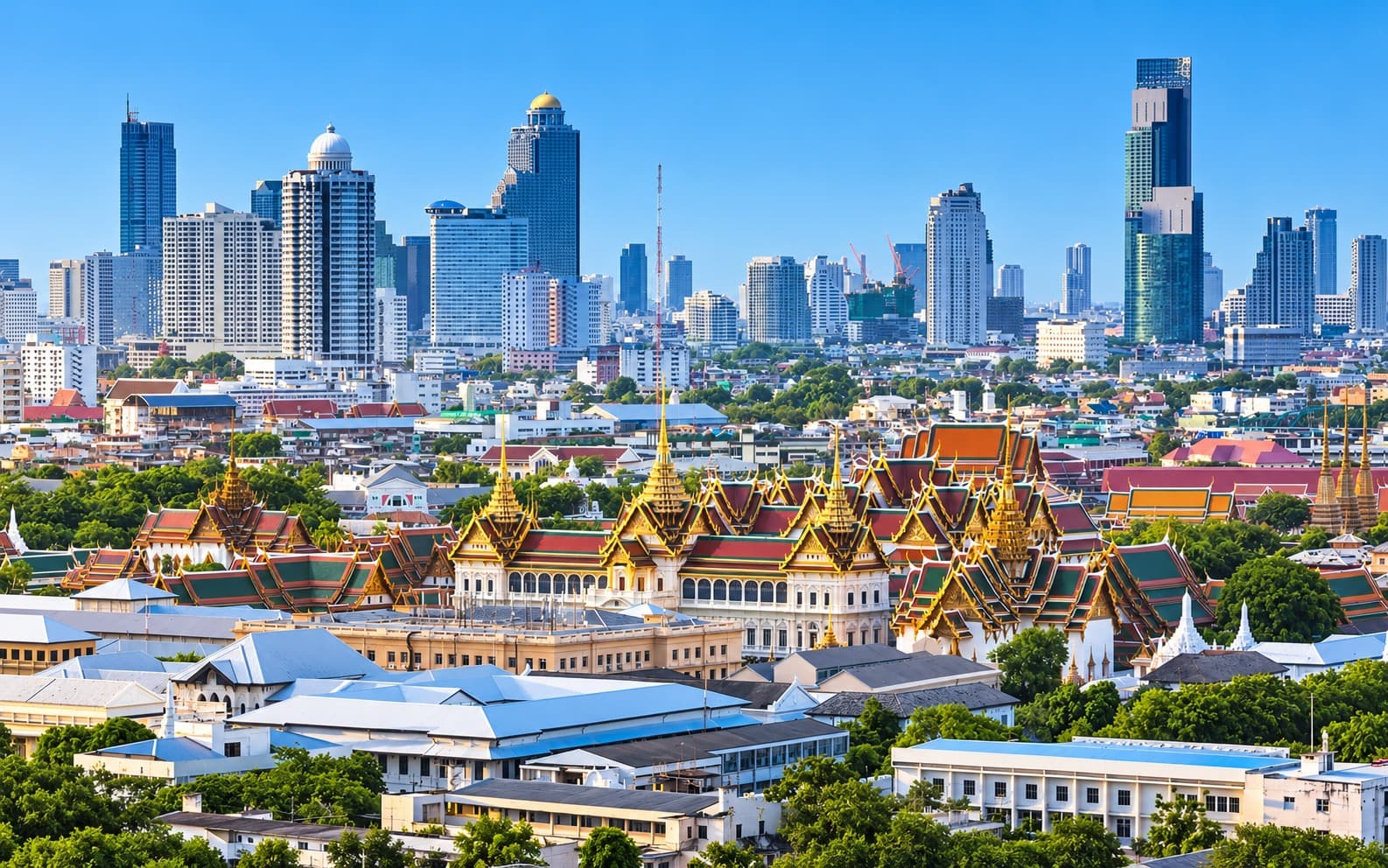
La Grecia non ha un solo mercato immobiliare. Ha una capitale che si comporta come una normale città europea, una seconda città che la imita in sordina, e diverse decine di isole dove prezzi, stagioni e regole di affitto cambiano al punto che le medie nazionali non dicono nulla. Ecco perché la domanda "dove conviene comprare in Grecia?" nasconde in realtà un'altra domanda: cosa deve fare per lei questa proprietà?
Di seguito i luoghi che gli acquirenti stranieri considerano davvero, senza il patinato dei depliant. Atene e Salonicco sulla terraferma. Creta, Rodi e Corfù tra le isole grandi. Mykonos e Santorini nella fascia da trofeo. Poi una fascia di valore che riceve molta meno attenzione di quanta ne meriti, dalla costa del Peloponneso e la Calcidica fino a Paros, Naxos e la piccola Kea. I prezzi cambiano troppo in fretta per essere stampati, quindi questa guida si limita ai confronti relativi; i prezzi di vendita in tempo reale sono sulla nostra pagina Paese Grecia. Un filo lega tutto l'articolo: da fine 2024 la golden visa fissa due soglie di prezzo a seconda di dove si compra, e questa linea ridisegna l'intera mappa per chi cerca la residenza.
Atene: l'unico mercato davvero attivo tutto l'anno
Atene è il posto dove l'immobiliare greco si comporta più da investimento che da cartolina. La domanda di inquilini non va mai in letargo. Studenti, giovani professionisti, nomadi digitali e una stagione turistica che ormai va da marzo a novembre tengono occupati gli appartamenti centrali proprio nei mesi in cui la maggior parte delle isole si svuota. È l'argomento centrale a favore della capitale, e regge bene.
Il secondo argomento è la rigenerazione urbana. Quartieri come Kypseli, Patisia e Metaxourgeio sono rimasti fuori moda per decenni, lasciando sul mercato solidi palazzi anni Sessanta e Settanta venduti ben al di sotto di Kolonaki o dei sobborghi costieri. Ora vengono rinnovati via per via. Le agenzie ateniesi e i grandi portali greci citano spesso rendimenti lordi medio-alti a una cifra per appartamenti ristrutturati in questi quartieri centrali, sensibilmente meglio di quanto renda uno stock paragonabile in altre capitali europee più a ovest. Prenda quelle cifre per quello che sono, aritmetica di marketing più che promessa, ma la direzione è giusta: il centro di Atene rende ancora bene rispetto a quanto costa.
C'è poi la metropolitana. La Linea 4 è in costruzione, un nuovo tracciato che collegherà Alsos Veikou a Goudi passando per Galatsi, Kypseli, Exarchia, Kolonaki e Zografou. Ad Atene è già successo: quando la Linea 3 avanzava verso la costa, i prezzi si muovevano prima del tunnel. Comprare vicino a una futura stazione della Linea 4 mentre è ancora un cantiere è quanto di più simile a una rivalutazione già scritta offra la città. Scritta lentamente, va detto. I tempi sono già slittati e slitteranno ancora.
Due avvertenze tengono onesto il quadro. Tutta l'Attica rientra nella fascia da 800.000 € della golden visa, il che esclude dalla capitale la maggior parte dei compratori orientati alla residenza, a meno che non usino la via di conversione da 250.000 € descritta più avanti. E la città ha congelato le nuove registrazioni per affitti brevi in diversi quartieri centrali, quindi un piano basato sull'Airbnb va verificato con le regole di quest'anno, non con un articolo del 2023.
Salonicco: la stessa logica, a prezzo scontato
Salonicco applica lo stesso schema di Atene con numeri più piccoli. È il fulcro della Grecia del nord, città portuale con la popolazione studentesca più numerosa del paese, e lo stock centrale si vende ben al di sotto di quartieri paragonabili ad Atene. Solo l'Università Aristotele porta decine di migliaia di inquilini che cercano casa da settembre a giugno, esattamente la stagione che i proprietari isolani temono.
La città ha finalmente inaugurato la metropolitana a fine 2024, dopo decenni di battute locali sui lavori infiniti, e le nuove stazioni stanno già ridefinendo quali quartieri contano come centrali. Aggiunga una scena gastronomica che gli stessi greci valutano sopra quella della capitale, e un budget modesto qui compra un appartamento che si affitta davvero, non un ripiego.
Il problema è arrivato con la riforma della golden visa del 2024, che ha spostato l'unità regionale di Salonicco nella fascia da 800.000 €, insieme all'Attica. Per l'investitore puro non cambia nulla. Per chi cerca la residenza significa che la città economica non porta più un visto economico. Guidi un'ora a sud-est verso la Calcidica, però, e la soglia si dimezza. Se lo tenga a mente.
Creta: l'isola che non chiude d'inverno
Se dovessimo indicare un'unica isola adatta a quasi ogni scopo, sarebbe Creta. La più grande, di gran lunga, e l'unica con un'economia completa sotto il turismo: agricoltura, cantieristica navale, università, grandi ospedali, traffico vero a febbraio. Heraklion e La Canea sono città che funzionano. Qui gli inquilini invernali esistono davvero, gli artigiani rispondono al telefono a novembre, e una villa non resta vuota cinque mesi in un paese fantasma.
L'accesso è un altro vantaggio. Due aeroporti internazionali collegano già l'isola alla maggior parte d'Europa, e a Kastelli se ne sta costruendo uno nuovo per sostituire il terminal angusto di Heraklion. La fascia di ville intorno a La Canea e Apokoronas è stata per due decenni la spina dorsale degli acquisti stranieri, Elounda tiene la bandiera del lusso a est, e Rethymno sta a metà strada tra le due.
Meglio saperlo subito: le dimensioni di Creta giocano in entrambi i sensi, da La Canea alla punta orientale ci sono quattro ore di auto, quindi scelga la base prima della casa. E poiché l'isola supera la soglia di popolazione della golden visa, rientra nella fascia da 800.000 € insieme ai nomi più noti.
Rodi e Corfù: i cavalli da lavoro del turismo organizzato
Nessuna delle due isole è alla moda come Mykonos, ed è proprio questo il loro punto di forza come investimento. Rodi e Corfù hanno costruito il loro turismo su voli charter da Regno Unito, Germania, Scandinavia e Polonia mezzo secolo fa, e quei mercati continuano a tornare. Le stagioni si allungano, all'incirca da aprile a fine ottobre e talvolta oltre. L'occupazione dipende da tour operator e visitatori abituali più che da cicli da influencer, il che rende il reddito da affitto più noioso e più stabile di qualsiasi cosa nelle Cicladi.
Rodi ha un centro storico medievale che tiene viva Rodi città tutto l'anno, più un profondo sud che resta economico per gli standard isolani. Corfù è l'isola più verde e più italiana nell'atmosfera, con la costa nord-orientale da sempre preferita dai compratori britannici disposti a pagare un premio per l'accesso via mare. Entrambe sono abbastanza grandi da avere ospedali, scuole invernali e comunità permanenti.
Entrambe superano anche la soglia di popolazione della fascia alta della golden visa, quindi si applicano gli 800.000 €. Una nota specifica su Rodi: parte del Dodecaneso è considerata zona di confine, e gli acquirenti extra UE hanno bisogno di un permesso prima di completare l'acquisto lì. Gli avvocati lo trattano come una formalità, ma aggiunge qualche settimana.
Mykonos e Santorini: prezzi da trofeo, stagione corta
La celebre coppia funziona con una matematica del tutto diversa. Al metro quadro sono l'immobiliare più caro di Grecia, e la finestra di guadagno è la più corta: uno sprint da maggio ai primi di ottobre, poi silenzio. Le tariffe di punta a notte per una villa con vista sulla caldera sono straordinarie. Lo sono altrettanto i costi di gestione, le commissioni, le bollette dell'acqua e il silenzio invernale.
Una villa a Santorini può superare in agosto gli incassi di un intero palazzo ad Atene e non guadagnare nulla a febbraio. In media sull'intero anno, spesso vince l'asset noioso.
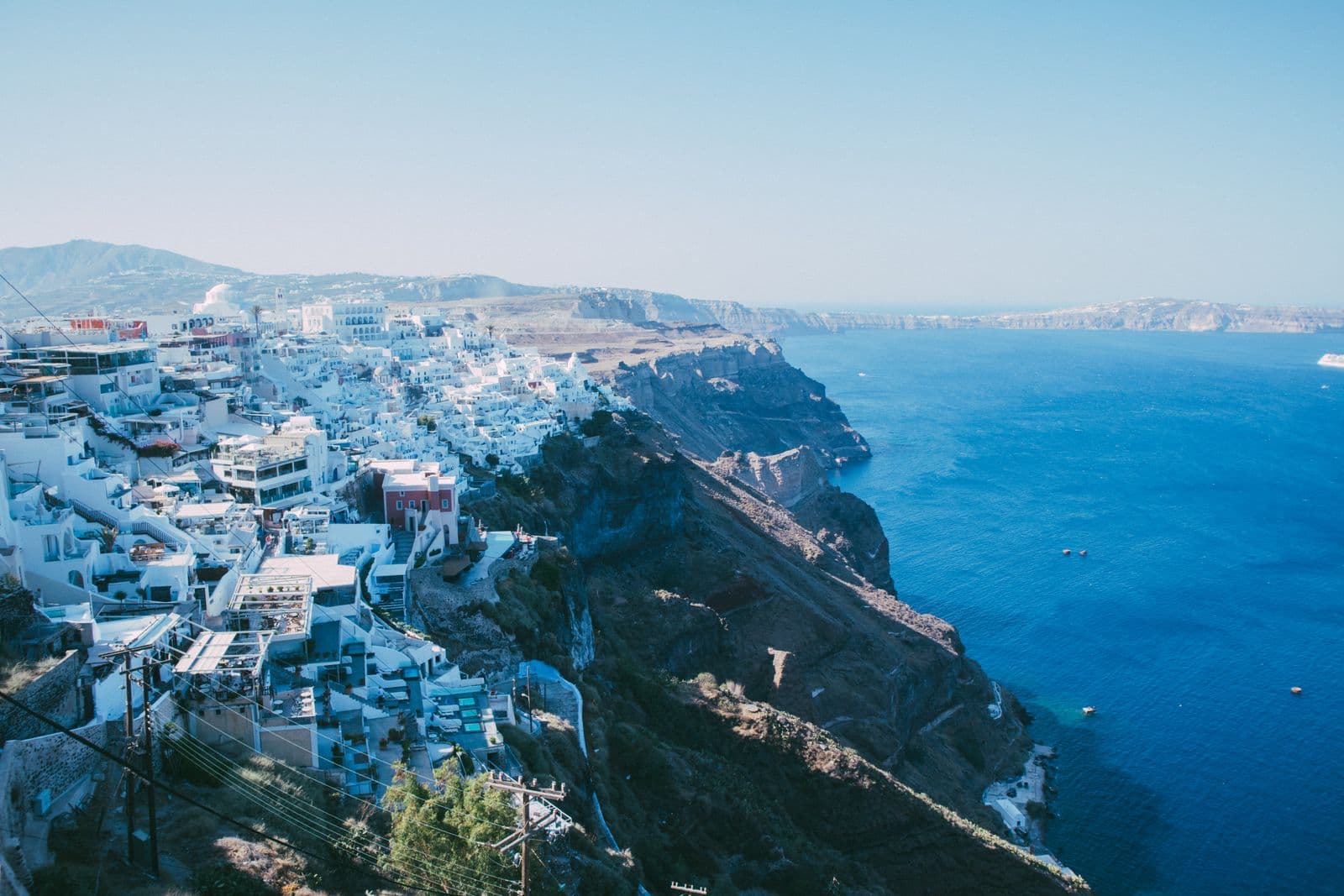
Sono acquisti di stile di vita con un asset annesso, per chi non perderà il sonno per una bassa stagione lenta. I vincoli edilizi intorno alla caldera di Santorini e la pressione sulle infrastrutture di Mykonos limitano la nuova offerta, il che protegge i valori ma complica i progetti di ristrutturazione. Entrambe le isole sono nominate esplicitamente nella fascia da 800.000 € della golden visa, il che la dice lunga su come lo Stato greco veda la domanda in quei luoghi.
La fascia di valore: Peloponneso, Calcidica, Paros, Naxos, Kea
Qui la mappa diventa interessante, perché la riforma della golden visa del 2024 ha diviso la Grecia in due velocità. La terraferma fuori da Attica e Salonicco, più le isole con meno di circa 3.100 residenti, ha mantenuto la soglia da 400.000 €; tutto ciò che è famoso è passato a 800.000 €. I luoghi elencati sotto meritano attenzione di per sé; la matematica del visto li rende solo più dolci.
La costa del Peloponneso è il caso più solido. È terraferma, quindi si applica la fascia da 400.000 €, e vive tutto l'anno. Costa Navarino ha messo il sud-ovest sulla mappa dei resort internazionali, l'aeroporto di Kalamata continua ad aggiungere rotte, le case di pietra della Mani attirano ristrutturatori da tutta Europa, e Porto Heli a est è da anni la costa discreta del fine settimana delle famiglie armatoriali ateniesi. Mare, storia e una vera comunità invernale, a prezzi da terraferma.
La Calcidica è la riviera di Salonicco. Le penisole di Kassandra e Sithonia si riempiono ogni estate di visitatori balcanici ed centroeuropei, a un'ora d'auto da una città di un milione di abitanti. È stagionale, sì, ma un mercato stagionale sostenuto da una metropoli si comporta molto meglio di uno che dipende da un orario di traghetto. E come unità regionale a sé, fuori dalla Salonicco propriamente detta, resta nella zona da 400.000 €.
Paros e Naxos sono la coppia emergente delle Cicladi, che intercetta gli acquirenti tagliati fuori dai prezzi di Mykonos e Santorini ma ancora attratti da quella luce e da quell'architettura. Paros ha un aeroporto in espansione e una comunità internazionale in rapida crescita; Naxos è più grande, più agricola, con più vita dopo ottobre. Avviso per chi cerca il visto: entrambe superano la soglia di popolazione, quindi rientrano nella fascia da 800.000 € pur costando molto meno delle vicine famose. Convenienti sul prezzo, sì. Convenienti per la residenza, no.
Kea è la sorpresa silenziosa. A un'ora di traghetto da Lavrio, che a sua volta dista meno di un'ora dall'aeroporto di Atene, è dove architetti e accademici ateniesi tengono le loro case di pietra per il weekend. Nessun aeroporto, porticcioli discreti, piccola popolazione stabile. E proprio perché quella popolazione resta sotto la soglia di 3.100, oggi si applica la fascia da 400.000 €. Per una vita isolana a un venerdì sera di distanza dalla capitale, è probabilmente il biglietto più intelligente dell'Egeo.
Il livello golden visa cambia la classifica
Da settembre 2024 la Grecia fissa il prezzo della residenza in base alla geografia, e i dettagli spostano la risposta alla domanda di questo articolo più di quanto ammettano molte guide. La struttura attuale, spiegata per intero nella nostra guida alla golden visa greca, si riassume in tre cifre.
- 800.000 € in Attica, nell'unità regionale di Salonicco, a Mykonos, Santorini e in ogni isola con più di 3.100 residenti, investiti in una singola proprietà di almeno 120 metri quadrati.
- 400.000 € ovunque altrove, con le stesse condizioni di proprietà singola e 120 metri quadrati.
- 250.000 € in qualunque punto del paese, compresa l'Atene centrale, per un edificio commerciale riconvertito a uso residenziale o un immobile vincolato in restauro.
Ne derivano due conseguenze. Le isole famose e le due grandi città costano ora lo stesso ai fini del visto, il che spinge gli acquirenti con budget limitato in cerca di residenza proprio verso la fascia precedente: Peloponneso, Calcidica, isole piccole. E le proprietà acquistate secondo le nuove regole non possono più essere affittate a breve termine. Questo uccide la vecchia strategia di finanziare il visto con i proventi Airbnb, e spinge gli acquirenti da visto verso i mercati di affitto a lungo termine, che in gran parte significa terraferma.
Verdetti per tipo di acquirente
L'investitore puro parte da Atene, con Salonicco come seconda opzione più economica. Inquilini tutto l'anno, rivendita liquida, quartieri in rigenerazione e una linea di metropolitana in costruzione danno alla capitale più modi per vincere. Una villa isolana può eguagliarla in termini lordi durante una buona stagione; i vuoti invernali e le spese di gestione di solito mangiano la differenza.
Una famiglia in cerca di una base per le vacanze dovrebbe guardare prima a Creta, poi a Rodi o Corfù. Tutte e tre hanno voli diretti dalla maggior parte d'Europa, tutte e tre hanno città vere con farmacie e meccanici, e nessuna delle tre chiude quando parte l'ultimo charter. Paros e Naxos si adattano a famiglie che vogliono le Cicladi senza il circo di Mykonos e possono convivere con una logistica basata sul traghetto.
Chi si trasferisce davvero, cioè chi vivrà la maggior parte dell'anno in Grecia, si restringe presto ad Atene, Salonicco, Creta o Peloponneso. Tutto il resto chiede di amare febbraio su un'isola, e vale la pena testarlo prima di comprare. Prima affitti per un inverno intero. È la due diligence più economica dell'immobiliare.
Chi cerca la golden visa con un budget limitato ha il percorso più chiaro di tutti: una casa di 120 metri quadrati o più sulla costa del Peloponneso, in Calcidica o su un'isola piccola come Kea nella fascia da 400.000 €, oppure un progetto di conversione da 250.000 € se la vita di città conta più del mare. Inseguire le isole da cartolina per il visto ora costa il doppio, e il divieto di affitto breve ha eliminato il motivo principale per provarci.
Ovunque decida di andare, la meccanica cambia poco: un proprio avvocato, un notaio, un codice fiscale greco, verifiche del titolo al registro immobiliare. Ciò che cambia è quello che il luogo restituisce. Confronti gli annunci in tempo reale di tutte le regioni citate qui sulla nostra ricerca immobili, filtrata per paese, zona e budget.
Domande frequenti: dove comprare casa in Grecia
Dove costa meno la proprietà in Grecia?
Al metro quadro, lo stock più economico si trova sulla terraferma lontano dalle coste, nei villaggi dell'entroterra di Creta e Peloponneso, e nel sud poco alla moda delle isole grandi come Rodi. Tra i luoghi che gli acquirenti stranieri considerano davvero, Salonicco è nettamente più economica di Atene per appartamenti centrali paragonabili, e Naxos costa meno delle vicine cicladiche. Economico e affittabile non sono la stessa cosa, però, quindi conviene verificare il prezzo su un mercato d'affitto reale prima di festeggiare.
Gli stranieri possono comprare casa ovunque in Grecia?
I cittadini UE comprano senza restrizioni. Anche i cittadini extra UE possono farlo, con una particolarità: le zone designate come di confine, che includono parti dell'Egeo orientale e del Dodecaneso, Rodi compresa, richiedono un permesso prima dell'acquisto. Viene concesso di routine e lo richiede l'avvocato, ma preveda qualche settimana in più. Il resto della procedura è identico ovunque: codice fiscale greco, atto notarile, registro immobiliare.
I rendimenti da affitto sono migliori ad Atene o nelle isole?
Le cifre lorde citate spesso sembrano simili, e gli agenti da entrambe le parti le riporteranno volentieri. La differenza sta nel netto. Atene rende dodici mesi l'anno con costi di gestione contenuti; una villa isolana stagionale rende cinque o sei mesi e paga profumatamente pulizie, manutenzione e un gestore locale. Le agenzie greche tendono a citare rendimenti lordi medio-alti a una cifra per i quartieri centrali di Atene, mentre i ritorni isolani oscillano molto di più a seconda di chi gestisce la casa.
Quali zone della Grecia danno accesso alla golden visa da 400.000 €?
La terraferma fuori da Attica e dall'unità regionale di Salonicco, più le isole con meno di circa 3.100 residenti. Questo copre il Peloponneso, la Calcidica e isole piccole come Kea, ma non Creta, Rodi, Corfù, Paros o Naxos, che rientrano nella fascia da 800.000 € insieme a Mykonos, Santorini, Atene e Salonicco. Esiste inoltre una via separata da 250.000 € per conversioni da commerciale a residenziale e restauri di immobili vincolati, valida in tutto il paese. Le regole cambiano, quindi conviene verificare l'elenco aggiornato prima di impegnarsi.