Griekenland zet buitenlandse kopers minder in de weg dan bijna elk ander land in Zuid-Europa. EU-burgers stuiten op geen enkele beperking. Niet-EU-burgers hebben in bepaalde grensgebieden één routinevergunning nodig, en daarmee is het wel klaar. Toestemming is niet het lastige deel.
Papierwerk wel. Griekse eigendomstitels dragen tientallen jaren aan erfenisgeschiedenis met zich mee, een verrassend deel van de gebouwen wijkt af van de vergunning, en het land is nog steeds bezig met de overstap van papieren registers op naam van de eigenaar naar een modern digitaal kadaster. Niets van dit alles hoeft je af te schrikken. Het vertelt je alleen waar je je energie in moet steken: in een goede advocaat en ongehaaste controles, niet in de kleur van de muren. Deze gids doorloopt de hele route, met echte cijfers voor belastingen en kosten; voor de markt zelf begin je het beste bij onze landenpagina over Griekenland.
Waar je in stapt
De Griekse vastgoedmarkt kende na 2008 een hard decennium, met een waardeverlies van ruwweg 40%, en klimt sinds 2017 weer omhoog. Die opleving verklaart waarom de markt zo druk aanvoelt. Appartementen in Athene die op het dieptepunt van de crisis rond de €1.000 per vierkante meter deden, zijn inmiddels verdubbeld of verdrievoudigd; als ruwe richtlijn ligt centraal Athene op dit moment tussen €2.000 en €3.500 per vierkante meter, met toplocaties daarboven, Thessaloniki iets lager, en de eilanden laten zich niet in een gemiddelde vangen: een zeezicht op de Cycladen kan per vierkante meter duurder zijn dan een penthouse in Kolonaki, terwijl het binnenland van Kreta bescheiden blijft.
Bruto huurrendementen in de steden liggen rond de 4 tot 6%, hoger in studentenwijken, en de vraag krijgt gestage steun van toerisme en een dunne pijplijn nieuwbouw. Je stapt niet meer in een afgeprijsde markt. Koop het specifieke pand, niet het herstelverhaal.
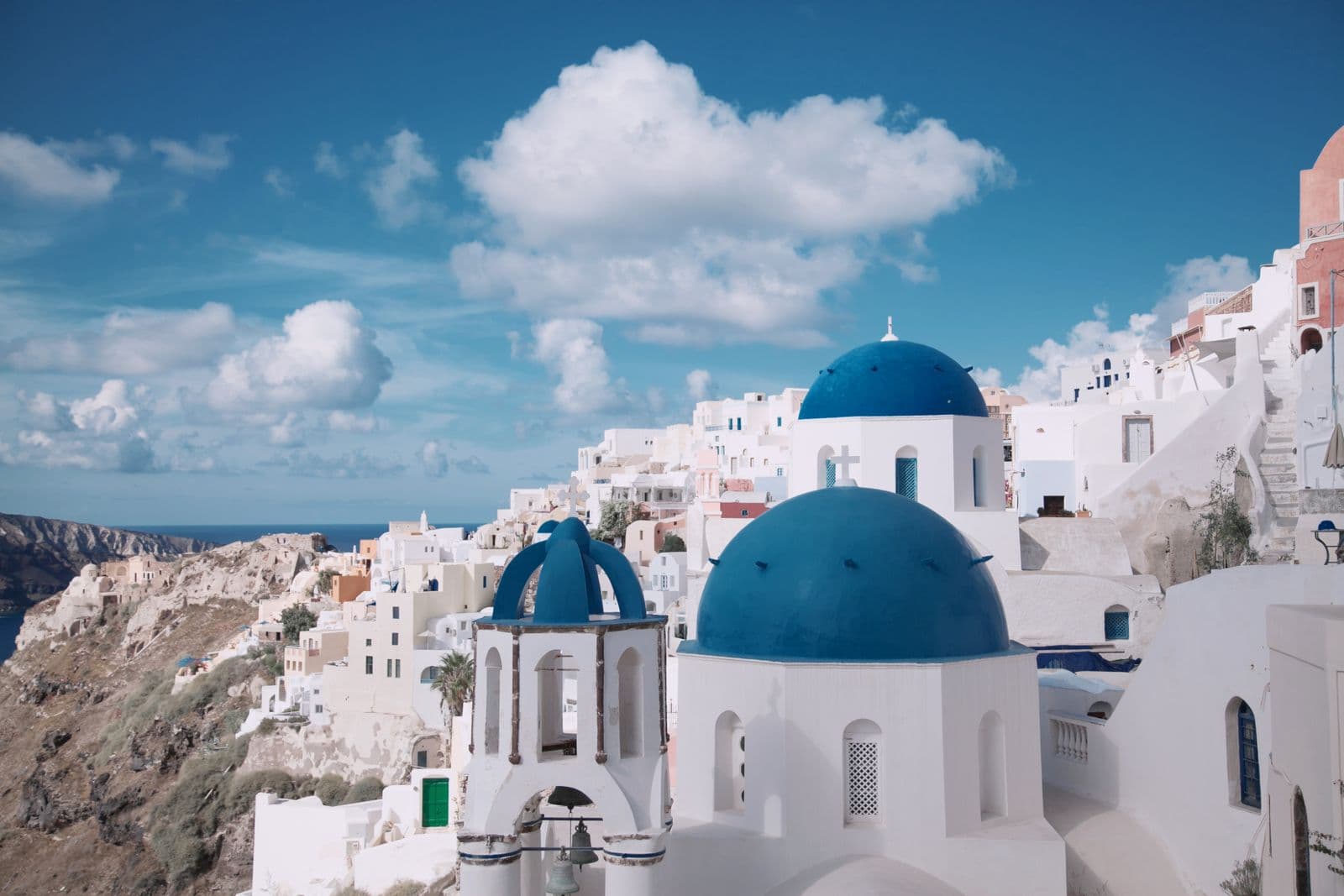
Waar gaan buitenlandse kopers eigenlijk heen? Athene voor rendement en liquiditeit, vooral de wijken rond het centrum. Halkidiki voor Noord-Europeanen die elke zomer naar beneden rijden. Kreta voor permanent wonen, want de steden gaan in november niet dicht zoals op de kleinere eilanden. De Cycladen voor droomhuizen, de Peloponnesos voor waar binnen bereik van Athene. Elk gebied heeft zijn eigen prijslogica — een onderwerp voor een apart artikel; het aankoopproces hieronder is overal hetzelfde.
Wie mag er vastgoed kopen in Griekenland
Bijna iedereen. Griekenland kent geen algemene beperking op buitenlands eigendom van huizen, appartementen of grond. Je hebt geen verblijfsvergunning, geen visum en geen Griekse partner nodig. Een stel uit Manchester, een software-engineer uit Toronto en een ontwikkelaar uit Belgrado ondertekenen dezelfde akte bij dezelfde notaris, onder dezelfde regels.
De enige uitzondering komt uit een wet van 1990 die grensgebieden aanwijst: de eilanden van de oostelijke Egeïsche Zee, de Dodekanesos (inclusief Rhodos en Kos) en prefecturen langs de noordelijke landgrens, onder meer. EU- en EER-burgers kopen daar zonder formaliteiten. Niet-EU-burgers vragen eerst een vergunning aan bij de regionale gedecentraliseerde overheid, waarin ze uitleggen wie ze zijn en waarvoor ze het pand willen gebruiken. Dat klinkt zwaarder dan het is. In de praktijk keuren commissies de overgrote meerderheid van de aanvragen goed, de wachttijd voegt een paar weken toe, en duizenden niet-EU-eigenaren bezitten vandaag een huis op Rhodos of Lesbos. Valt jouw gekozen huis in zo'n zone, dan dient je advocaat de aanvraag in voordat je geld vastlegt, en verloopt de rest gewoon zoals normaal.
Huur een onafhankelijke advocaat in voordat je ook maar één huis bezichtigt
In veel landen komt de advocaat pas halverwege de deal in beeld, bijna als formaliteit. Griekenland is daar niet een van. Zoek eerst je eigen vastgoedadvocaat: niet die van de verkoper, niet degene die de makelaar bij de koffie aanraadt, maar iemand die alleen aan jou verantwoording aflegt en al jaren titels leest voor de kost.
De reden zit in de Griekse eigendomsgeschiedenis. Landgoederen gingen hier vaak informeel over van generatie op generatie. Titels raken versplinterd tussen broers en zussen, testamenten blijven onbehandeld, en een aandeel in een perceel kan nog steeds op naam staan van een grootmoeder die in 1974 overleed. Eiland- en dorpswoningen zijn de klassieke gevallen. Reken daarbij op de decennia waarin een beetje verder bouwen dan de vergunning toestond, een nationale gewoonte was. Een extra verdieping, een dichtgezette veranda, een schuurtje dat een atelier werd. Veel daarvan is inmiddels gemeld en gelegaliseerd onder overheidsregelingen, maar "gelegaliseerd" betekent dat er een certificaat bestaat dat dit bewijst, en alles wat nog niet is aangegeven, wordt jouw probleem op het moment van tekenen.
Advocaatkosten liggen rond 1 tot 1,5% van de prijs plus btw, en een goede advocaat verdient elke euro: titelonderzoek over 20 jaar aan akten, vergunningcontrole met een ingenieur, opstellen van de voorlopige overeenkomst, aanwezigheid bij de akte. Geef ze een volmacht en ze halen ook je belastingnummer op, regelen zaken met de bank en tekenen namens jou als je zelf niet kunt overkomen.
Het AFM: het nummer waar niets zonder werkt
Voordat er iets van dit alles kan gebeuren, heb je een AFM nodig, het negencijferige Griekse belastingnummer. Verplicht voor kopers van elke nationaliteit. Geen AFM betekent geen akte, geen bankrekening, geen nutscontract, geen overdrachtsbelasting, geen jaarlijkse eigendomsaangifte. Ambtenaren vragen ernaar voordat ze naar je naam vragen.
Het goede nieuws: het is gratis en snel geregeld. Je vraagt het aan bij een Grieks belastingkantoor met je paspoort, of via het AADE-portaal; niet-ingezetenen worden toegewezen aan een apart belastingkantoor voor mensen die in het buitenland wonen. De meeste kopers doen zelfs dit al niet zelf. Een advocaat met volmacht regelt een AFM binnen enkele dagen, terwijl jij nog gewoon thuis zit.
Heb je een Griekse bankrekening nodig?
De wet eist het niet. De praktijk wel, grotendeels. Het aankoopbedrag moet via het bankwezen bij de verkoper terechtkomen, met een schone, gedocumenteerde papiertrail, want de Griekse belastingdienst controleert de herkomst van gelden, en je wilt toch ook een lokale rekening voor ENFIA, elektriciteit en water. Banken vragen meer papierwerk dan je zou verwachten: paspoort, AFM, adresbewijs, belastingaangiften, soms inkomensbewijs. Begin er op tijd mee. Sommige kopers betalen in plaats daarvan rechtstreeks vanaf een buitenlandse rekening via de notaris, wat werkt, mits elke euro traceerbaar is.
De aankoop, stap voor stap
Met de advocaat ingehuurd en de AFM op zak, volgt een Griekse aankoop een ritme dat al decennia nauwelijks veranderd is. Vijf stappen, op volgorde.
Prijs overeenkomen en reserveren
Aanbiedingen verlopen informeel, meestal via de makelaar. Zodra een prijs is geaccepteerd, tekenen veel verkopers een korte reserveringsovereenkomst tegen een aanbetaling van €3.000 tot €10.000, waarmee het pand van de markt gaat terwijl je advocaat aan het werk is. Zorg dat de reservering vermeldt dat de aanbetaling terugkomt als de titelcontrole mislukt, en laat je advocaat het opstellen in plaats van te tekenen wat het makelaarskantoor aanreikt.
De controles doorlopen
Nu nemen je advocaat en een ingenieur het twee tot vier weken over. Titel, bezwaringen, vergunningen, belastingschulden. De volledige lijst staat in de volgende sectie, want deze fase bepaalt of je een huis koopt of een rechtszaak.
De voorlopige overeenkomst tekenen
Zodra de controles helder zijn, tekenen beide partijen een voorlopige overeenkomst die de prijs, de opleveringsdatum en eventuele voorwaarden vastlegt, tegen een aanbetaling van 5 tot 10%. Grieks recht geeft deze aanbetaling echte tanden. Trek je je zonder geldige reden terug, dan ben je hem kwijt. Trekt de verkoper zich terug, dan is hij het dubbele verschuldigd. Die symmetrie houdt de meeste deals eerlijk in de weken vóór de afronding.
Overdrachtsbelasting betalen, de akte tekenen
De afronding vindt plaats op het kantoor van de notaris, en Griekse notarissen zijn door de staat aangestelde ambtenaren, geen klerken. De koper betaalt eerst de overdrachtsbelasting; zonder de betalingsbewijs tekent de notaris niet. Daarna wordt de akte hardop voorgelezen, in het Grieks, met een beëdigd vertaler erbij als je de taal niet spreekt, en getekend door beide partijen of hun gevolmachtigden.
De akte inschrijven
Eén stap blijft over, en die overslaan zou rampzalig zijn: inschrijving bij het lokale kadaster of grondregister. In Griekenland gaat het eigendom over bij inschrijving, niet bij ondertekening. Zolang de akte niet is ingeschreven, houdt niets een vastberaden fraudeur tegen om het pand tweemaal te verkopen. Je advocaat dient de inschrijving binnen enkele dagen in. Daarna is het pand van jou, en voegt je boekhouder het toe aan je Griekse belastingdossier met een E9-aangifte.
Due diligence: waar Griekse aankopen misgaan
Een kadaster dat nog in aanbouw is
Griekenland registreerde eigendom historisch in lokale registers die akten op naam van de eigenaar indexeren, niet per perceel. Sinds eind jaren negentig verhuist alles naar de Ktimatologio, een nationaal kadaster op perceelbasis. De migratie is al ver gevorderd maar nog niet af, en dat heeft praktische gevolgen. In gemigreerde gebieden haalt je advocaat het kadastrale blad op en ziet in één oogopslag de status van het pand. In gebieden die nog op de oude registers staan, wordt de eigendomsketen akte voor akte teruggevolgd, meestal 20 jaar terug. En in net gemigreerde gebieden duiken overdrachtsfouten op: verkeerde grenzen, een ontbrekend aandeel, een nog lopend bezwaar van de buren. Een kadastrale inschrijving die niet klopt met de werkelijkheid, is op te lossen — maar los het op vóór je koopt. Daarna is het jouw geschil.
Koop je grond? Dan zijn twee extra controles niet onderhandelbaar: de bosbouwkaarten, want een perceel dat als bos is geclassificeerd, mag nooit bebouwd worden, wat de verkoper ook belooft, en de kustlijnafbakening voor alles in de buurt van zee.
Het gebouw tegenover de vergunning
Haal de bouwvergunning op en laat een ingenieur het pand langs de tekeningen lopen. Verschillen komen vaak voor, en Griekenland heeft er een heel systeem voor. Onregelmatigheden die zijn aangegeven onder de legalisatiewetten (de huidige is 4495/2017) komen met een certificaat en een betaalde boete, en de notaris noteert ze in de akte. Niet-aangegeven onregelmatigheden blokkeren de verkoop totdat de verkoper ze regelt, op kosten van de verkoper als jouw kant de overeenkomst goed heeft opgesteld. Sinds 2021 vraagt elke verkoop bovendien om een ingenieurscertificaat dat bevestigt dat het gebouw overeenkomt met de vergunning of volledig is geregulariseerd, plus het elektronische bouw-ID van het pand.
Wat vinden ingenieurs eigenlijk? Halfkelders verhuurd als studio's, zwembadterrassen over de rooilijn, zolders die stiekem slaapkamers werden. De inspectie kost €300 tot €500 en leest als een röntgenfoto van de eerlijkheid van de verkoper.
Een nuttig signaal: het aanleveren van het ingenieurscertificaat voor een gebouw zonder problemen duurt een paar dagen. Talmt de verkoper wekenlang, dan wordt er iets achter de schermen gelegaliseerd. Reken de vertraging in, of stap eraf.
Schulden en verklaringen
Sommige Griekse schulden kleven aan het pand, dus eist de notaris bewijs dat ze niet bestaan. Vóór de afronding moet de verkoper aanleveren:
- een ENFIA-verklaring die aantoont dat de eigendomsbelasting over de afgelopen vijf jaar is betaald
- een belastingverklaring van AADE en, voor professionele verkopers, een verklaring van de sociale verzekering
- een gemeentelijke verklaring dat er geen onbetaalde TAP-heffing openstaat
- een verklaring van geen hypotheken, bezwaringen of vorderingen van het register of kadaster
- voor appartementen, bevestiging dat de gemeenschappelijke servicekosten zijn voldaan
Niets exotisch aan. Dit is het standaarddossier, en een verkoper die er moeite mee heeft dit compleet te krijgen, vertelt je iets.
Wat het kost: reken op 8 tot 10% bovenop de prijs
Griekenland zit qua transactiekosten in de Europese middenmoot. Het opvallendste cijfer is de overdrachtsbelasting: 3,09%, geheven over de hoogste van de contractprijs en de "objectieve waarde" van het pand — een formule die de belastingdienst voor elke zone in het land bijhoudt.
Nieuwbouw verdient een aparte zin. Op papier draagt een nieuw pand, verkocht door de ontwikkelaar vóór eerste gebruik, 24% btw in plaats van overdrachtsbelasting. In de praktijk geldt de laatste jaren een opschortingsregeling: Griekenland heeft de btw op nieuwbouwverkopen bevroren en deze bevriezing herhaaldelijk verlengd, waardoor deze deals gewoon met het reguliere tarief van 3,09% worden afgerond. Controleer de actuele status voor jouw specifieke contract voordat je tekent, en vraag het schriftelijk. Het verschil is meer dan 20 procentpunten belasting.
De rest van de rekening:
- advocaat: 1 tot 1,5% plus btw
- notaris: ruwweg 0,8 tot 1,2% plus btw
- inschrijving bij het register of kadaster: 0,5 tot 0,8%
- makelaarscommissie: gebruikelijk 2% plus btw aan de kant van de koper waar dit in rekening wordt gebracht
- vertaler, apostilles en volmachten voor afstandsafronding: enkele honderden euro's
Bij een appartement van €250.000 kom je uit op €20.000 tot €25.000 alles inbegrepen. Ter vergelijking: het Franse notarissysteem neemt 7 tot 8% voordat er iemand anders betaald krijgt, terwijl Cyprus bij nieuwbouw goedkoper kan uitpakken. Griekenland is qua kosten geen koopje, maar ook geen valstrik. De belangrijke vraag zit in de titel, niet in de kosten.
Hypotheken voor niet-ingezetenen
Griekse banken lenen wel aan buitenlandse kopers, selectief en traag. Reken op minimaal 30 tot 40% eigen inbreng, want de loan-to-value voor niet-ingezetenen loopt doorgaans niet verder dan 60 tot 70% en kan lager liggen bij inkomen van buiten de EU. De grote vier (National Bank, Piraeus, Alpha, Eurobank) hebben allemaal programma's voor kopers vanuit het buitenland, geprijsd net iets boven wat ingezetenen betalen. De acceptatie vergt veel documenten: gewaarmerkte inkomensverklaringen, belastingaangiften, soms een Griekse rekening met wat historie, en één tot twee maanden verwerkingstijd.
Mede daardoor gebeurt een groot deel van de buitenlandse aankopen contant, vaak gefinancierd door thuis te herfinancieren waar het papierwerk soepeler verloopt. Wil je toch Griekse financiering, vraag dan een schriftelijke voorbeoordeling aan vóór de voorlopige overeenkomst en bouw er een financieringsvoorwaarde in. Een aanbetaling kwijtraken door een afgewezen lening is een dure les.
Eigenaar zijn: ENFIA en de jaarlijkse routine
Elke eigenaar in Griekenland betaalt ENFIA, de jaarlijkse onroerendezaakbelasting, berekend op basis van de omvang, zonewaarde, ouderdom en verdieping van het pand. Voor een doorsnee appartement komt dit neer op een paar honderd euro per jaar; grote of premium panden betalen meer, en zeer hoge waarden krijgen een aanvullende heffing. De aanslag komt jaarlijks en is betaalbaar in maandelijkse termijnen via je AADE-account.
Verhuur je het pand, dan wordt de inkomsten getaxeerd volgens een schaal: 15% tot €12.000 per jaar, 35% van daar tot €35.000, 45% daarboven. Kortetermijnverhuur brengt registratieverplichtingen mee en, in de meest toeristische gebieden, strengere restricties, dus check de regels voor jouw gemeente voordat je jezelf Airbnb-rendementen belooft.
Twee kleinere punten die mensen later verrassen. Opstalverzekering is niet verplicht, maar aardbevingsdekking is haar bescheiden premie waard in een land dat schudt. En erfrecht: Griekse bezittingen vallen standaard onder Grieks erfrecht, al laten EU-regels veel eigenaren toe om in plaats daarvan te kiezen voor het recht van hun eigen nationaliteit. Een testament dat het Griekse pand dekt, opgesteld bij dezelfde notaris, kost weinig en bespaart je erfgenamen een grensoverschrijdende puzzel.
Griekenland vergeleken met de buren
Tegenover de andere mediterrane markten die we bij HomeNSearch behandelen, zit Griekenland gemiddeld op kosten en trager op papierwerk. Spanjes NIE speelt dezelfde rol als de AFM, en Spaanse afsluitkosten liggen in een vergelijkbare bandbreedte van 8 tot 12%, maar Spaanse registers zijn volledig digitaal en sneller te controleren. Cyprus vraagt niet-EU-kopers om goedkeuring van de ministerraad, ongeveer even routinematig als Griekenlands grensgebiedvergunning, en kan bij nieuwbouw op totale kosten winnen van Griekenland. Portugal heeft van de vier het strakste dossier, tegen ongeveer vergelijkbare kosten. Wat Griekenland je in ruil voor de tragere bureaucratie geeft, is de instapprijs: vergelijkbaar kustvastgoed kost er nog altijd minder dan aan de meeste Spaanse of Portugese kust, en dat verschil is kleiner geworden maar niet verdwenen.
Het gouden visum, kort
Koop op de juiste drempel, en de aankoop kan een vijfjarig verlengbaar verblijfsrecht opleveren voor je gezin. De drempels hangen nu af van waar en wat je koopt: €800.000 in Attica, Thessaloniki, Mykonos, Santorini en de grotere eilanden, €400.000 in de rest van het land, en een schijf van €250.000 die landelijk blijft bestaan voor commerciële gebouwen die worden omgebouwd tot woonruimte en voor restauraties van monumentale panden. Voor de hogere schijven gelden minimumafmetingen en verhuurbeperkingen. De details veranderen regelmatig; onze gids over het Griekse gouden visum houdt het actuele beeld bij.
Eén waarschuwing. Laat een visumdrempel niet het pand kiezen — een matig appartement van €400.000 blijft een matig appartement, alleen nu met een verblijfskaart erbij.
En zodra je van lezen naar kijken overstapt, blader dan door de actuele aanbiedingen op HomeNSearch, stel je budget vast en neem deze gids mee naar de eerste bezichtiging.
Veelgestelde vragen
Kunnen Amerikanen vastgoed kopen in Griekenland?
Ja, onder dezelfde voorwaarden als andere niet-EU-burgers: AFM-belastingnummer, advocaat, notaris, de standaardroute. De enige extra stap geldt in aangewezen grensgebieden, waaronder de oostelijke Egeïsche eilanden en de Dodekanesos, waar niet-EU-kopers eerst een vergunning aanvragen die in de overgrote meerderheid van de gevallen wordt toegekend.
Hoe lang duurt het kopen van vastgoed in Griekenland?
Eén tot drie maanden vanaf geaccepteerd bod tot ingeschreven akte is de realistische bandbreedte. Een stadsappartement met een schone kadastrale inschrijving kan in vier tot zes weken rond zijn. Een eilandhuis met een oude landelijke titel, een lopende legalisatie of een grensgebiedvergunning trekt richting drie maanden of langer.
Kan ik kopen zonder naar Griekenland te reizen?
Wettelijk gezien wel. Met een volmacht getekend bij een Grieks consulaat of gelegaliseerd met een apostille thuis, kan je advocaat de AFM regelen, de voorlopige overeenkomst tekenen en de afronding bij de notaris voor jou doen. Kopers doen dit voortdurend. Bezichtig het pand toch persoonlijk als het even kan; foto's vergeven gescheurde muren en lawaaierige straten.
Welke lopende belastingen betaal ik als eigenaar?
ENFIA elk jaar, inkomstenbelasting over eventuele huur vanaf 15%, en gemeentelijke heffingen geïnd via de elektriciteitsrekening. Verkoop je later, controleer dan de vermogenswinstregels op dat moment: een langlopende opschorting heeft particuliere verkopers tot nu toe vrijgesteld gehouden. Een Griekse boekhouder kost weinig en bespaart meer.