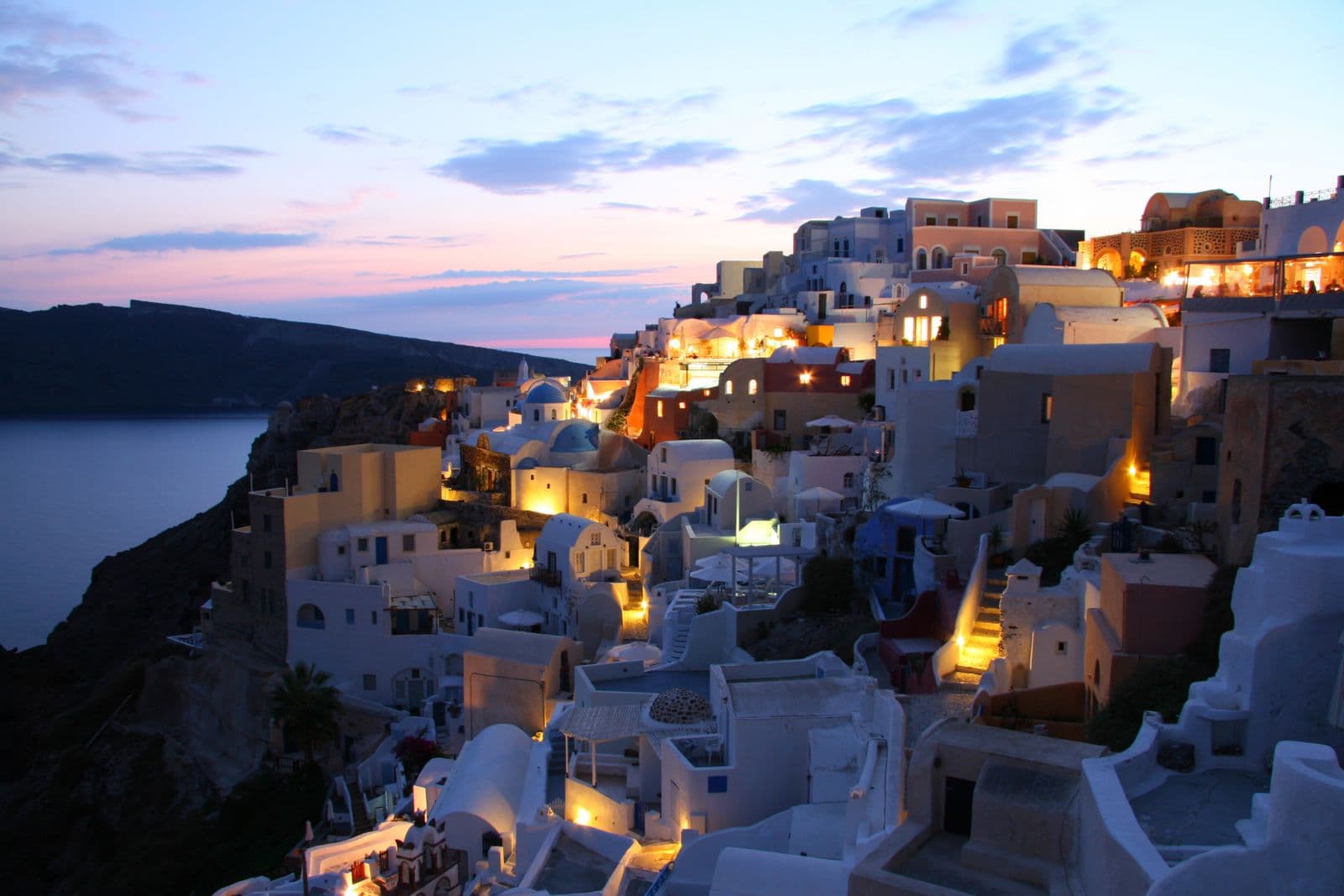
Десять лет назад можно было сфотографировать свободную квартиру в Кукаки, выложить её на Airbnb и получить первое бронирование в ту же неделю. Никто ничего не проверял. Той Греции больше нет. Сейчас страна работает по одному из самых упорядоченных режимов краткосрочной аренды в Европе: у каждого объявления свой регистрационный номер, закон о безопасности с реальными зубами, заморозка новых лицензий в центре Афин и регламент ЕС, который в мае 2026 года разом снимет незарегистрированные объявления со всех крупных площадок.
А вот что действительно важно тем, кто думает о покупке: с рынком всё в порядке. Греческий туризм бьёт рекорд за рекордом, заполняемость островов в июле и августе по-прежнему заставляет краснеть большую часть Средиземноморья, а легальная, застрахованная и зарегистрированная сдача приносит примерно столько же, сколько раньше, минус фиксированный слой расходов на бумаги. Правила бьют в основном по тем, кто рассчитывал сдавать «по-простому».
В этом материале — что на самом деле требует закон в 2026 году, во сколько обходится соответствие правилам, где ограничения жёстче всего и когда разумнее просто подписать договор аренды на год.
Номер AMA: нет регистрации — нет объявления
Любой объект, сдаваемый в Греции посуточно, должен получить AMA — регистрационный номер, который выдают через онлайн-систему AADE, греческой налоговой службы. Регистрируется каждый объект отдельно, не хозяин в целом, и номер обязан стоять на каждом объявлении: Airbnb, Booking.com, Vrbo, собственный сайт — везде. Объявление без видимого AMA незаконно уже по факту, и инспектору даже не нужно приезжать на квартиру — достаточно прочитать текст объявления.
Сама регистрация — самое простое звено. Она проходит электронно, привязана к греческому налоговому номеру, и местный бухгалтер обычно оформляет её за небольшую плату вместе с годовой отчётностью. Проблемы начинаются с того, к чему регистрация обязывает дальше. Каждое проживание нужно вносить в реестр краткосрочной аренды AADE. Площадки сами отчитываются перед налоговой о вашем валовом доходе, поэтому две цифры потом сверяют, и расхождение между тем, что заявил Airbnb, и тем, что задекларировал хозяин, — один из самых надёжных способов заработать себе проверку.
Иностранному владельцу сначала нужен греческий налоговый номер (AFM) — без него ничего из этого не запустить. Если покупку оформлял юрист, номер уже есть: он обязателен для самой сделки.
Закон 5170/2025: планка качества и безопасности
Раньше регистрацией всё и ограничивалось. С вступлением в силу закона 5170/2025 это только входной билет. Закон устанавливает минимальные стандарты для каждого зарегистрированного объекта краткосрочной аренды и наконец дал инспекторам что проверять, кроме номера в объявлении.
Ключевые требования такие:
- Гражданская ответственность перед гостями — полис от страховщика, лицензированного работать в Греции
- Огнетушители и датчики дыма — установленные и рабочие, а не лежащие в шкафу нераспакованными
- Сертификат безопасности электропроводки, подписанный лицензированным электриком
- Справка о дезинсекции от сертифицированной компании
- Помещение должно быть полноценным жильём с естественным светом и вентиляцией — подвалы и кладовки, выданные за студии, не пройдут
- Информационный лист для гостей: выходы и телефоны экстренных служб
Ничего экзотического. Примерно то же самое всегда требовали от небольшого гестхауса, только в масштабе одной квартиры. Для дома, построенного или отремонтированного в последние пару десятилетий, весь путь к стандарту — это записаться к двум техникам и одному страховому брокеру. Старым островным домам порой нужен настоящий ремонт, обычно электрики, и это стоит закладывать в бюджет покупки, если проводка старше вашего бухгалтера.
Со страховкой иностранцы ошибаются чаще всего: полис обязательно должен быть от греческого лицензированного страховщика. Домашняя страховка квартиры в Мюнхене или Манчестере тут не считается, каким бы щедрым ни выглядело её покрытие ответственности.
Проверки и штрафы
Контроль перестал быть теоретическим. Инспекторы приезжают, а штрафы растут по нарастающей: болезненно с первого раза, в разы хуже при повторе и по-настоящему тяжело на верхней планке — способно съесть больше, чем сезон дохода от аренды. Работа вовсе без AMA попадает в самую суровую категорию. Логика простая: Греция не собирается запрещать посуточную сдачу, она хочет, чтобы несоблюдение правил было явно невыгодным делом.
Полезный ориентир: полное соответствие правилам обходится в несколько сотен евро в год плюс разовые сертификаты. Быть пойманным без них может стоить больше, чем годовая выручка двухкомнатной квартиры в Афинах. Экономить на бумагах здесь просто не выгодно — как ни считай.
Заморозка в Афинах и почему стоит следить за Салониками
В плотных центральных районах Афин — тех самых, что впитали основную часть местного бума Airbnb, — власти заморозили выдачу новых номеров AMA. Квартира там, у которой номера ещё нет, получить его пока не может. Логика та же, что в Барселоне или Лиссабоне: целые дома превратились в отели с кодовыми замками, пока местные жители искали, где снять квартиру, а центр город пустел улица за улицей.
Действующие регистрации продолжают работать, и отсюда любопытный побочный эффект. Квартиры в замороженных зонах с уже привязанным AMA теперь продаются с премией — сама лицензия стала дефицитным активом. Если продавец пишет «с действующей регистрацией краткосрочной аренды» в центре Афин, это говорит о цене ещё до того, как вы увидите кухню.
Отсюда два вывода для покупателей. Первый: никогда не считайте по умолчанию, что квартиру в центре Афин можно сдавать посуточно. Проверьте район, наличие уже действующей регистрации и то, переходит ли она вместе с продажей, — и пусть юрист подтвердит все три пункта письменно. Второй: следите за Салониками. Те же предпосылки, что привели к заморозке в Афинах, есть и там, и никого на греческом рынке не удивит появление похожих ограничений. Покупать в центре второго по величине города Греции ради дохода от Airbnb — значит делать ставку на то, что правила не изменятся. В последнее время они меняются.
За пределами этих зон — на островах, вдоль побережья и почти по всей стране — регистрация по-прежнему открыта, и весь свод правил сводится к общенациональному стандарту, описанному выше.
Пара квартир или уже бизнес? Следите за порогом
Греческий закон разделяет частное лицо, которое тихо сдаёт одну-две квартиры, и того, кто фактически ведёт гостиничный бизнес. По одну сторону черты доход декларируется как физлицо, и жизнь остаётся относительно простой. За чертой государство рассматривает деятельность как профессиональную: регистрация бизнеса, НДС, посуточные сборы и вся сопутствующая бухгалтерия.
Где именно проходит граница, менялось не раз и зависит отчасти от числа сдаваемых объектов и от того, как оформлена деятельность, так что это вопрос к бухгалтеру заранее, а не после того, как вы уже разрослись. Схема простая: одна-две квартиры — простой режим. Собрали портфель — Греция ждёт, что вы будете выглядеть как отельер, которым фактически стали. Немало иностранных владельцев узнавали об этой границе задним числом, а задним числом начисленный НДС — не самое приятное письмо в почте.
Как облагается доход
Для физлиц в упрощённом режиме доход от краткосрочной аренды облагается по прогрессивной шкале: мягко на первую часть суммы, жёстче по мере роста годового итога. Греция также взимает с гостей небольшой посуточный сбор на климатическую устойчивость, летом выше, — хозяин его собирает и перечисляет дальше. Доход декларируется ежегодно, и раз площадки уже сообщили в AADE вашу валовую выручку, ваши цифры должны с ней совпасть.
У большинства стран, откуда приезжают покупатели, с Грецией есть соглашение об избежании двойного налогообложения, так что один и тот же доход дважды в полном объёме не обложат, но декларировать его в Греции придётся независимо от места проживания. Бухгалтер, который ведёт краткосрочную аренду, закрывает весь цикл обычно за несколько сотен евро в год. Учитывая, сколько это экономит на расхождениях и пропущенных сроках, это едва ли не единственная статья бюджета, от которой не стоит отказываться.
Ещё одна привычка, которую стоит завести с первого дня: храните все счета. Сертификаты, страховка, уборка, ремонт, услуги бухгалтера. Часть из этого уменьшает налогооблагаемую базу, а всё вместе отвечает на вопросы, если AADE вдруг их задаст.
Май 2026-го: соблюдение правил перестаёт быть добровольным
До сих пор контроль зависел от того, найдут ли вас греческие власти. С мая 2026 года регламент ЕС о краткосрочной аренде меняет саму механику. Площадки, работающие в ЕС, обязаны собирать регистрационные номера, сверять их с официальными реестрами и удалять объявления, не прошедшие проверку. Данные о бронированиях идут от площадок к властям по единому графику сразу во всех странах-участницах.
Представьте это с точки зрения незарегистрированного хозяина. Стука в дверь не будет. Объявление просто исчезнет с Airbnb и Booking.com на той же неделе — вместе с историей отзывов и календарём бронирований, который выстраивался годами. Серую зону, в которой случайное несоблюдение правил как-то выживало, закрывают на уровне самих площадок, а Греция, где реестр AADE уже работает, — одна из стран, где переключатель щёлкнет чисто и без сбоев. Если покупаете с прицелом на посуточную сдачу, единственный разумный план на 2026 год — полная регистрация с первого дня.
Покупатели «золотой визы»: объект нельзя сдавать через Airbnb
Один момент застаёт инвесторов врасплох достаточно часто, чтобы вынести его отдельно. Недвижимость, купленную по программе греческой «золотой визы» на условиях, действующих с 2024 года, нельзя сдавать посуточно. Запрет прописан прямо в правилах программы: нарушите его — рискуете и внушительным штрафом, и самим видом на жительство. «Золотая виза» теперь продукт для проживания, а не для дохода, и греческие власти прямо дали понять, что это не формальность.
Если нужны и вид на жительство, и доход от Airbnb, рабочая схема — два отдельных объекта: один куплен для визы, второй, вне программы, зарабатывает. А если резидентство вам не нужно, ничего из этого не применяется: обычная покупка не несёт никаких ограничений на посуточную сдачу сверх всего описанного выше. Мы разобрали районы и пороги входа в нашем материале где покупать недвижимость в Греции, который хорошо дополняет эту статью.
Где посуточная сдача всё ещё работает хорошо
Уберите заголовки — и карта в основном остаётся зелёной. Заморозка в Афинах касается горстки центральных районов одного города. Везде остальном модель, которая когда-то сделала греческие краткосрочные аренды привлекательными, работает по-прежнему: сильное лето, межсезонье, которое год от года чуть длиннее, и цены покупки заметно ниже сопоставимого побережья в Испании, Португалии или на юге Франции.
Основную работу делают острова с полноценным сезоном. Крит, Родос и Керкира дают больше двадцати бронируемых недель и аэропорты с круглогодичным сообщением. Более оживлённые Киклады втискивают впечатляющие ночные тарифы в более короткое окно. Пелопоннес и Халкидики меняют пиковую интенсивность на куда более доступный вход и растущий внутренний спрос. Даже Афины за пределами замороженных зон работают неплохо, с отдельным преимуществом городского спроса в феврале, когда острова спят. Загляните в объявления по Греции на HomeNSearch — разброс виден сразу: одни и те же деньги покупают либо студию не в том районе, либо двухкомнатный домик в деревне с видом на море и открытой зоной регистрации вокруг.
Арифметика легального хостинга
Так во сколько же на самом деле обходится свод правил? Для типовой квартиры: страховка ответственности — несколько сотен евро в год. Сертификат электрика и справка о дезинсекции — разовые расходы или периодические продления в пределах низких сотен. Датчики и огнетушители — незначительная единоразовая покупка. Добавьте бухгалтера — и выйдет фиксированный слой расходов на соответствие правилам меньше тысячи евро в год, как только сертификаты оформлены.
Сопоставьте это с выручкой — и картина складывается по географии. Удачно расположенная двухкомнатная квартира рядом с курортным городком на Крите за долгий сезон может дать выручку в районе десятков тысяч, так что расходы на соответствие съедают низкую однозначную долю доходов. Уборка, управление и комиссии площадок всегда были статьями покрупнее. На островах с коротким сезоном в четырнадцать бронируемых недель те же фиксированные расходы кусаются заметно ощутимее, и пограничный объект вполне может съехать из категории «неплохая доходность» в категорию «дорогое хобби», как только оплачены все сертификаты. Регулирование не разрушило модель — оно подняло ставки на длину сезона.
Прежде чем покупать что-либо на основании прогнозов агента по продажам, пересчитайте цифры со всеми расходами до последнего. Наш материал о том, как на самом деле считается доходность аренды, разбирает методику, включая те издержки, которые красивые прогнозы обычно тихо не замечают.
Запасной вариант: долгосрочная аренда
Иногда ответ — вообще пропустить весь этот аппарат. Годовой договор аренды не требует ни AMA, ни полиса ответственности перед гостями, ни посуточного сбора, и заморозка в Афинах его не касается. Валовой доход ниже — часто на треть или в половину меньше, чем у хорошо работающей посуточной сдачи в сильной локации, — но и расходы, простои и хлопоты тоже ниже. Греция к тому же предлагает налоговые льготы владельцам, которые переводят объекты с краткосрочной на долгосрочную сдачу, что дополнительно сокращает разрыв — особенно в Афинах, где спрос арендаторов глубокий и постоянный.
Для квартиры в замороженных районах без переходящего AMA долгосрочная сдача — не запасной вариант, а единственный план. Везде остальном это честная точка отсчёта. Краткосрочная аренда, которая обгоняет долгосрочный договор только если забыть про двенадцать недель зимнего простоя, на самом деле его не обгоняет.
Чек-лист перед первым бронированием
- Получите греческий налоговый номер (AFM), если покупка ещё не дала вам его.
- Убедитесь, что объект не в замороженной зоне регистрации, либо что действующий AMA законно переходит вместе с продажей.
- Зарегистрируйте объект через AADE и получите AMA.
- Купите страхование гражданской ответственности у греческого лицензированного страховщика.
- Установите датчики дыма и огнетушители; закажите сертификат электробезопасности и справку о дезинсекции.
- Подготовьте информационный лист для гостей с выходами и контактами экстренных служб.
- Разместите AMA на каждом объявлении, на каждой площадке, до первого же бронирования.
- Наймите бухгалтера; вносите каждое проживание в реестр AADE и собирайте климатический сбор.
- Занесите в календарь продления: страховку — ежегодно, сертификаты — по их собственным циклам.
Сделайте всё это — и май 2026 года пройдёт для вас незамеченным. Пропустите половину — и та же дата станет дедлайном.
Частые вопросы
Нужен ли AMA для одной комнаты или только для целых объектов?
Любое жильё, предлагаемое через площадку для краткосрочной сдачи, требует своей регистрации, и номер должен быть виден в объявлении. Обязанность привязана к рекламируемому пространству, а не к тому, какая доля здания вам принадлежит.
Можно ли всё ещё получить лицензию на посуточную сдачу в центре Афин?
Нет, не в замороженных районах, пока действует ограничение. Действующие там регистрации продолжают работать — именно поэтому центральные квартиры с живым AMA сейчас стоят дороже. За пределами этих зон, включая большую часть Афин и всю остальную страну, регистрация по-прежнему открыта.
Что будет в мае 2026 года, если у объявления нет действующего номера?
Регламент ЕС обязывает площадки проверять регистрационные номера и удалять объявления, не прошедшие проверку. На практике несоответствующее правилам объявление стоит ждать не предупреждающего письма, а удаления — вдобавок к любым штрафам, которые начислят греческие власти за работу без регистрации.
Можно ли сдавать посуточно объект, купленный по «золотой визе»?
Нет, если купили его на условиях, действующих с 2024 года. Краткосрочная сдача таких объектов запрещена, а нарушение грозит и серьёзными штрафами, и самим видом на жительство. Объекты, купленные вне программы, такого ограничения не несут.