Рано или поздно перед иностранным покупателем встаёт этот выбор. Один агент показывает готовую квартиру, в которой уже живёт арендатор и платит за неё каждый месяц. Другой раскладывает буклет башни, которой не будет ещё три года, — по цене, которая выглядит подозрительно щедрой. Стройка или вторичка — первое по-настоящему стратегическое решение при покупке за рубежом, и от него зависит буквально всё дальше: как вы платите, чем рискуете и когда деньги начнут возвращаться.
Ни один вариант не является правильным по умолчанию. Стройка подходит под одни цели и наказывает за другие. То же самое с вторичкой. Дальше — честный разбор обоих путей, а в конце короткая схема, как подобрать вариант под то, чего вы на самом деле хотите от этой недвижимости.
Что стоит за этими двумя словами
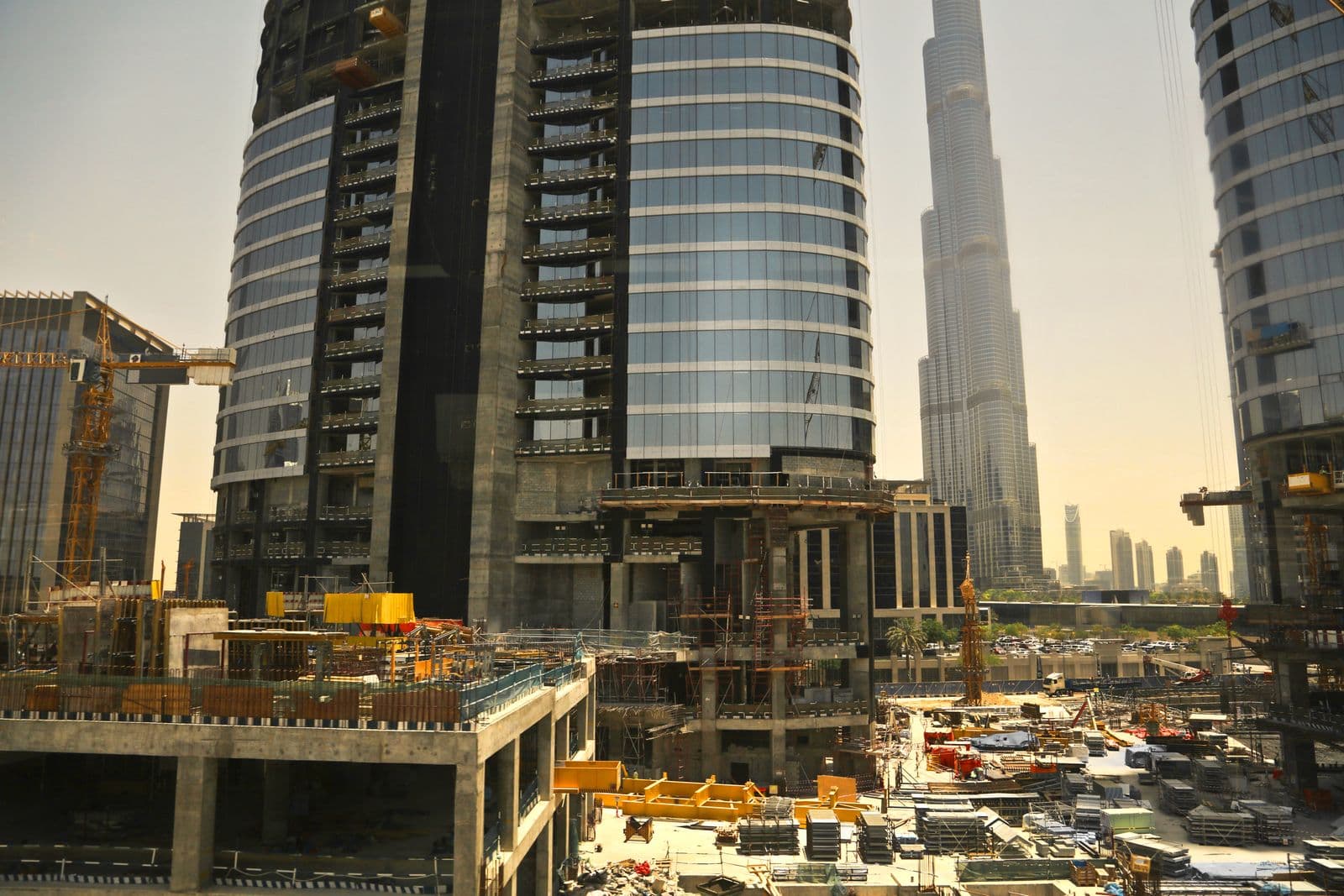
Строящаяся недвижимость — это то, что вы покупаете до того, как оно существует в готовом виде. Иногда стройка уже идёт, иногда участок — это огороженный пустырь, а квартира живёт пока только в чертежах и демо-юните. Вы подписываете договор с застройщиком, платите частями и получаете ключи, когда дом сдан, — обычно через год-четыре.
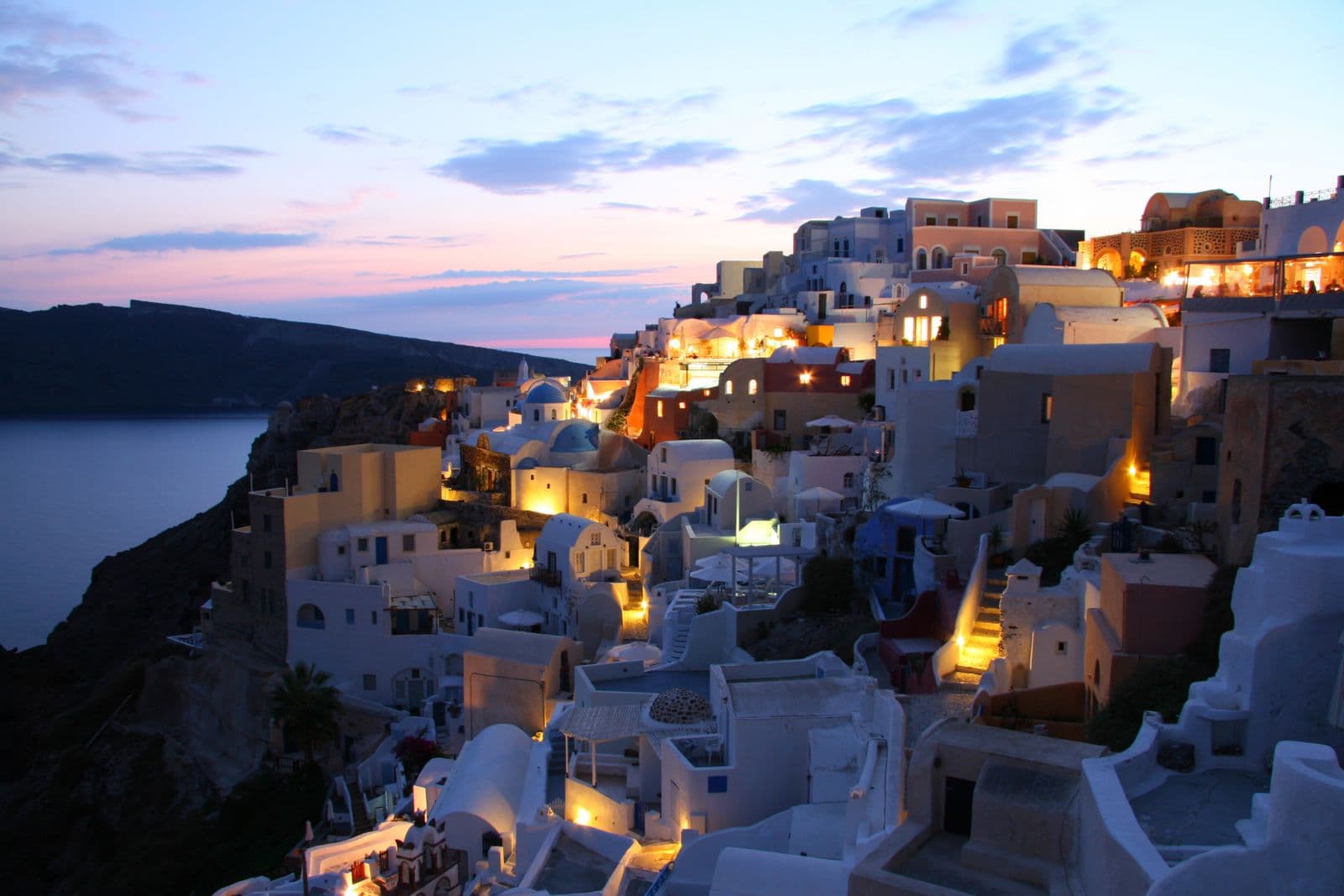
Вторичное жильё уже существует и уже имеет владельца. Это может быть двухлетняя квартира, в которой почти не жили, а может — вилла 1980-х годов, сменившая третью семью. Вы осматриваете реальный объект, покупаете у частного продавца и получаете ключи через недели после подписания, а не через годы.
Именно эта разница во времени определяет почти всё остальное.
За что стоит выбрать стройку
Цена — главный аргумент. Застройщики выводят проекты на рынок дешевле сопоставимого готового жилья, потому что ранние продажи доказывают спрос и финансируют стройку. Единой цифры скидки не существует, и кто её называет — что-то продаёт, но закономерность работает на любом рынке: чем раньше фаза, тем ниже цена за квадратный метр.
Дальше — схема оплаты. Вместо всей суммы при подписании договоры на строящееся жильё растягивают платежи на весь срок стройки. В Дубае встречаются планы 60/40 или 80/20: большая часть цены уходит частями во время строительства, остаток — при сдаче или после неё. Некоторые застройщики в Турции и на Кипре растягивают рассрочку и на период после завершения. Для покупателя, который не может или не хочет переводить крупную сумму одним платежом, такой график заменяет ипотеку — и без банка.
Сам объект новый. Актуальные стандарты теплоизоляции, современная проводка, планировка, придуманная в этом десятилетии. На конкурентных арендных рынках это ещё и инфраструктура, которую сейчас ждут арендаторы: спортзал, бассейн, коворкинг, зарядка для электромобиля. Двадцатилетней башне тягаться с этим нечем, а на сдаче объекта покупателю даётся гарантийный период — фиксировать недочёты, которые застройщик устранит за свой счёт.
И если рынок растёт быстрее, чем строится дом, прибыль достаётся активу, за который вы заплатили ещё не всё. Покупатели в быстрорастущих районах принимали квартиры, которые к моменту сдачи стоили заметно дороже цены по контракту. Именно эту историю про рост цены рассказывает каждый продавец строящегося жилья — и в удачные годы это правда.
Где стройка подводит
В неудачные годы — нет. Риск работает и в обратную сторону: если цены за время строительства падают, вы зафиксировали завтрашние деньги по вчерашней оценке, а продать актив, которого ещё не существует, почти невозможно.
Задержки — обычный риск. Отставание на квартал-два случается достаточно часто, чтобы опытные покупатели закладывали его заранее; более длительные срывы обычно означают, что у застройщика шатается финансирование. Тяжёлый вариант — заморозка или отмена проекта, и именно для этого придуманы правила эскроу. Подробнее о них — ниже.
Ещё есть разрыв между рендером и реальностью. На маркетинговых картинках закатный свет, взрослые пальмы и мебель, которой ни у кого нет. В день сдачи вместо этого может оказаться голый бетонный квартал, а обещанное благоустройство перенесено на третью очередь. Ваша квартира может быть безупречной, пока бульвар с кафе из буклета годами остаётся парковкой. Покупайте локацию такой, какой она реалистично станет, а не такой, какой её нарисовали.
Арендный доход тоже стартует с опозданием. Каждый месяц между подписанием и сдачей — это месяц, когда ваш капитал не зарабатывает ничего.
За что стоит выбрать вторичку
Покупка вторичного жилья сразу убирает разрыв между рендером и реальностью. Вы стоите в настоящей комнате, смотрите на настоящий вид, слышите настоящий шум с улицы. Район уже сформирован и понятен: приезжайте в 8 утра и ещё раз в 11 вечера, поговорите с соседом, посмотрите, как дом стареет и берёт ли трубку управляющая компания.
Доход начинается сразу. Купите квартиру с арендатором — и рента придёт уже в первый месяц владения, а доходность вы посчитаете по реальной истории аренды, а не по прогнозу застройщика. Для покупателей, которым важен денежный поток, этого аргумента часто достаточно, чтобы закрыть вопрос.
Цена тоже ведёт себя иначе. Продавцы на вторичке — частные лица, а частные лица торгуются. Переезд, наследство, развод: вы имеете дело с человеческими обстоятельствами, а не с фиксированным прайс-листом, и именно там всплывают настоящие выгодные сделки.
Чем вторичка расплачивается
Фонд старше. Иногда это придаёт шарм, иногда обходится дорого. Проводка, сантехника и гидроизоляция изнашиваются незаметно, и сюрприз с ремонтом — классическая ловушка вторичного рынка. Оплатите нормальную техническую экспертизу до сделки и запросите историю эксплуатационных сборов дома: плохо управляемый дом виден в этих записях за годы до того, как проступит на фасаде.
Оплата сжата во времени. Если вы не оформляете ипотеку — а иностранцам во многих странах это доступно, но редко быстро, — переводить придётся практически всю сумму за несколько недель. Опереться на рассрочку не получится.
Сформированный район — палка о двух концах. Вы точно знаете, что покупаете, но и рынок это знает не хуже вас. Резкий рост цены на стадии стройки, за которым гонятся покупатели строящегося жилья, в зрелом районе обычно уже случился, так что вы покупаете стабильность, а не потенциал роста.
Налоги на сделку, если уж на то пошло, почти не зависят от выбранного пути. В Дубае одна и та же ставка трансферного сбора 4% применяется и к строящемуся, и к вторичному жилью, и большинство стран относится к обеим сделкам похоже. Реальная разница в деньгах — в цене, графике платежей и сроках начала дохода, а не в налоговой строке.
Эскроу: защитный слой, который меняет расклад
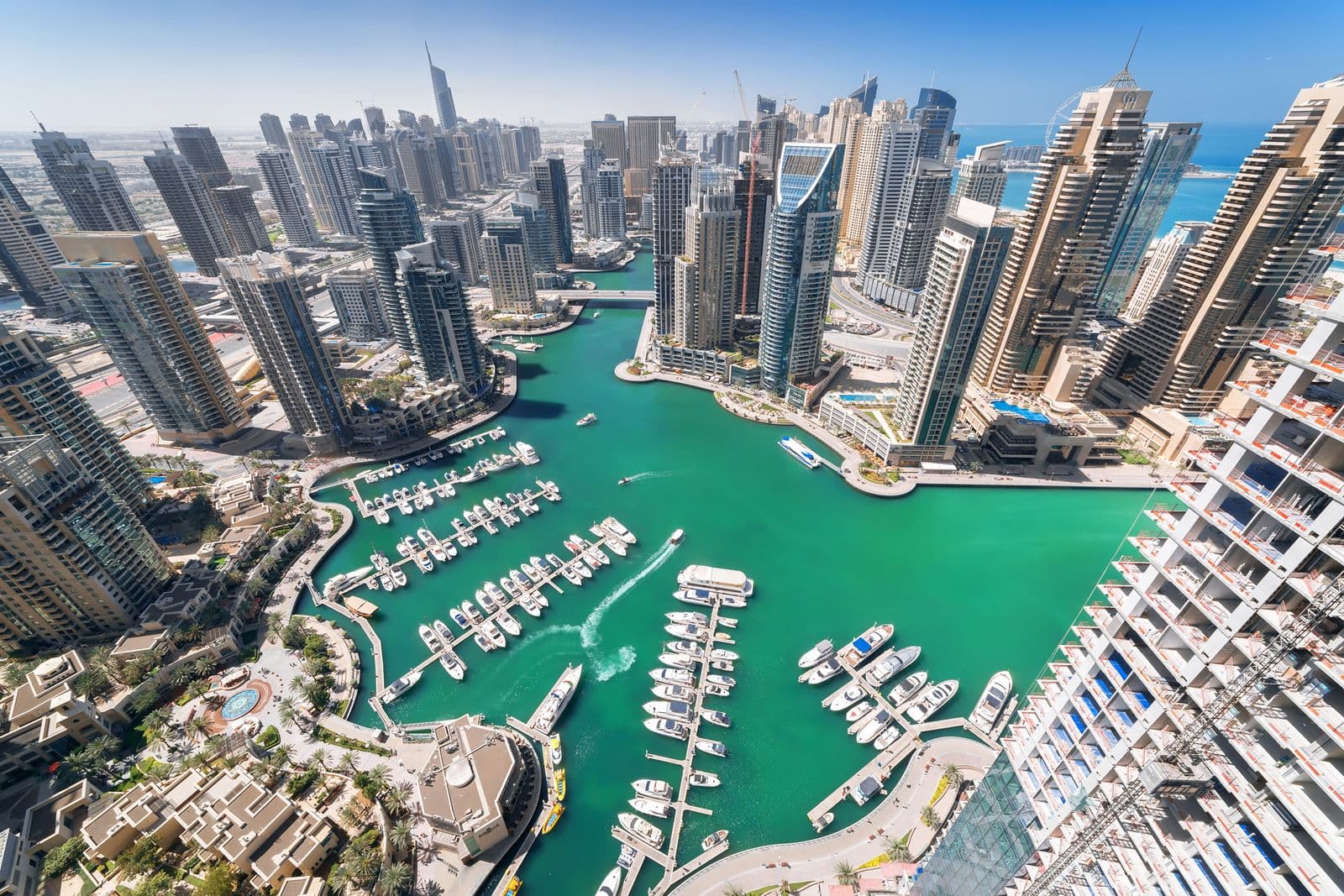
Структурный кошмар строящегося рынка — деньги, вложенные в яму, которая так и не станет домом, — как раз то, для чего придумали эскроу-режимы. Дубай здесь эталон. Застройщики, продающие строящееся жильё, обязаны по закону собирать платежи покупателей на проектный эскроу-счёт, зарегистрированный у властей, и снимать средства только по мере подтверждения этапов строительства. Ваши взносы финансируют именно ваш дом, а не другие проекты застройщика. Это правило действует с дубайского закона о трастовых счетах 2007 года, и во многом именно благодаря ему рынок ОАЭ смог масштабировать продажи строящегося жилья, не отпугнув покупателей.
Другие рынки расположены вдоль спектра. Где-то требуют гарантии завершения строительства или страховку по крупным проектам, где-то остаётся полагаться только на договор и баланс застройщика. Перед подписанием где угодно задайте три вопроса: обязателен ли в этой стране эскроу или гарантия завершения, зарегистрирован ли под ним конкретно этот проект, и что произойдёт с вашими деньгами, если стройка остановится. Агент, который не может точно ответить на все три, уже ответил вам на четвёртый вопрос.
Правило, которое стоит взять у тех, кто покупал и так, и так: платите полную цену за то, что уже существует, платите меньше за то, чего ещё нет, и никогда не платите полную цену за обещание.
Как проверить застройщика
Эскроу защищает деньги, а проверка — время и нервы. Прежде чем бронировать квартиру в строящемся доме, пройдитесь по этому списку.
- Съездите на их сданные объекты, а не в шоурум продаж. Два-три законченных дома, желательно старше пяти лет, покажут, как их работа стареет на самом деле.
- Проверьте историю сдачи. Сколько проектов сдано и насколько позже заявленных сроков? Форумы владельцев и данные земельного кадастра честнее любого буклета.
- Убедитесь в документах: право на землю, разрешения на строительство и, там, где это применимо, регистрация проекта в системе эскроу. Уточните, когда право собственности переходит на ваше имя — на некоторых рынках это происходит во время стройки, на других только при сдаче.
- Прочитайте пункты о штрафах за просрочку. Серьёзные застройщики соглашаются на такие условия. Уклончивые ответы здесь предсказывают такое же поведение позже.
- Разберитесь, на какие деньги строит застройщик. Компания, которая строит в основном на взносы покупателей на рынке без эскроу, — это ровно тот риск, за принятие которого вам платят стартовой скидкой. Решайте, держа эту мысль в голове.
Схема решения: подбираем объект под цель
Нужен арендный доход прямо сейчас
Почти всегда — вторичка. Квартира с арендатором в сложившемся районе платит с первого месяца, и между вами и денежным потоком не стоит риск сдачи объекта. Начните с актуальных объявлений и посчитайте доходность по реальным ставкам аренды, прежде чем влюбляться в конкретную квартиру.
Гонитесь за ростом капитала
Здесь сильнее аргументы у стройки — при условии, что защита реально работает. Ранние фазы, рынки с обязательным эскроу, застройщики, прошедшие проверку по списку выше, районы с инфраструктурой, которая уже строится, а не только обсуждается. Дубай и Стамбул в хорошие циклы щедро вознаграждали именно такую стратегию — и оба наказывали тех, кто пропускал проверку. Если в вашем шорт-листе есть Турция, относитесь к проверке застройщика как к главной части игры: защита там сильно отличается от проекта к проекту.
Покупаете жильё для себя
Всё решают сроки. Нужно переехать в течение полугода? Вторичка, без вариантов. Переезжаете через два-три года в любом случае? Стройка позволяет платить постепенно, пока вы ждёте, и въехать в дом, построенный по сегодняшним стандартам. Только никогда не привязывайте жёсткий жизненный дедлайн — учебный год ребёнка, срок визы — к дате сдачи, которую вы не контролируете.
Смешанная стратегия
Покупатели с запасом бюджета часто отказываются выбирать. Одна вторичная квартира — под немедленный доход, одна строящаяся — под рост; аренда с первой может даже покрывать взносы по второй. Логика та же, что с дивидендными и растущими акциями в одном портфеле, и она распределяет риск застройщика, момент входа на рынок и регуляторику сразу на две ставки. HomeNSearch показывает оба типа объектов рядом по каждой стране, которую мы освещаем, — так сравнение превращается в вечер за просмотром вариантов, а не в прыжок вслепую.
Универсально правильного ответа тут нет. Есть правильный ответ для конкретного бюджета, конкретного рынка и конкретного момента в вашей жизни. Сначала определитесь с целью — тип объекта подберётся сам.
Частые вопросы
Строящееся жильё всегда дешевле вторичного?
На старте продаж — обычно да, поскольку застройщики выводят ранние фазы дешевле сопоставимого готового жилья, чтобы собрать бронирования. Но сравнивайте итог целиком: строящаяся квартира, которая три года не приносит ничего, в итоге может проиграть честно оценённой вторичке, которая сдаётся в аренду с первого дня.
Что будет, если застройщик обанкротится?
На рынках с обязательным эскроу, как Дубай, платежи покупателей лежат на подконтрольном проектном счёте, и регулятор может привлечь другого застройщика для завершения дома или организовать возврат средств именно с этого счёта. Без эскроу вы становитесь обычным кредитором в очереди — а это куда худшее положение. Проверить статус эскроу у конкретного проекта стоит дороже любого обещания в буклете.
Можно ли продать строящуюся недвижимость до завершения?
Часто да, через переуступку права или передачу договора, и перепродажа до сдачи — устоявшаяся стратегия на горячих рынках. Сначала проверьте договор: застройщики обычно требуют оплатить минимальную долю цены до разрешения переуступки, берут за неё комиссию, а иногда блокируют вовсе. Остывающий рынок к тому же означает мало желающих купить незавершённый контракт.
Что лучше для первой покупки за рубежом?
Для большинства — вторичка. Процесс короче, вы получаете именно то, что осмотрели, и меньше вещей может незаметно пойти не так. Стройка вознаграждает тех, кто умеет проверять застройщиков, читать договоры и терпеливо переживать задержки, — а всё это даётся легче на второй покупке, чем на первой.