Wer nach günstigen Immobilien am Meer sucht, stößt meist auf zwei Dinge: dieselben fünf Ferienorte, die in jeder Liste wieder auftauchen, und Angebote, die erst wie Schnäppchen wirken – bis man sich ansieht, was tatsächlich drumherum liegt. Dieser Guide geht anders vor. Hier sind neun Küstenmärkte, alle aus den 13 Ländern, in denen HomeNSearch aktiv ist, mit Preisen deutlich unter dem, was der Rest Europas für salzige Luft zahlt. Dazu ein Außenseiter ganz ohne Meer.
Eine Warnung, bevor die Karte aufgeht. Günstige Küsten sind aus einem Grund günstig. Manchmal ist der Grund banal, etwa ein Regionalflughafen, den im Winter niemand ansteuert. Manchmal prägt er jedes Jahr, in dem man den Ort besitzt. So oder so sollte man ihn kennen, bevor man unterschreibt – deshalb nennt jeder Abschnitt unten den Grund und den Preis, den man dafür zahlt.
Was eine Küste tatsächlich günstig macht
Drei Kräfte bestimmen das meiste. An erster Stelle steht die Saisonlänge: Schließen Restaurants von Oktober bis Mai, bricht die Nachfrage für ein halbes Jahr weg – und die Kaufpreise folgen. Dann der Flughafenzugang. Ein Strand zwei Stunden von den nächsten ganzjährigen Flügen wird immer günstiger gehandelt als einer, der zwanzig Minuten entfernt liegt, selbst wenn der Sand dort besser ist. Die dritte Kraft ist Bekanntheit. Für Namen, die man seit der Kindheit kennt, zahlen Käufer gewaltige Aufschläge – deshalb kann die stille Bucht direkt neben einer berühmten für das gleiche Wasser die Hälfte kosten.
Man beachte: Keiner dieser Faktoren sagt etwas über die Qualität des Badens aus. Genau darin liegt die Chance.
Nordgriechenland und die Inseln jenseits der Postkartenliste
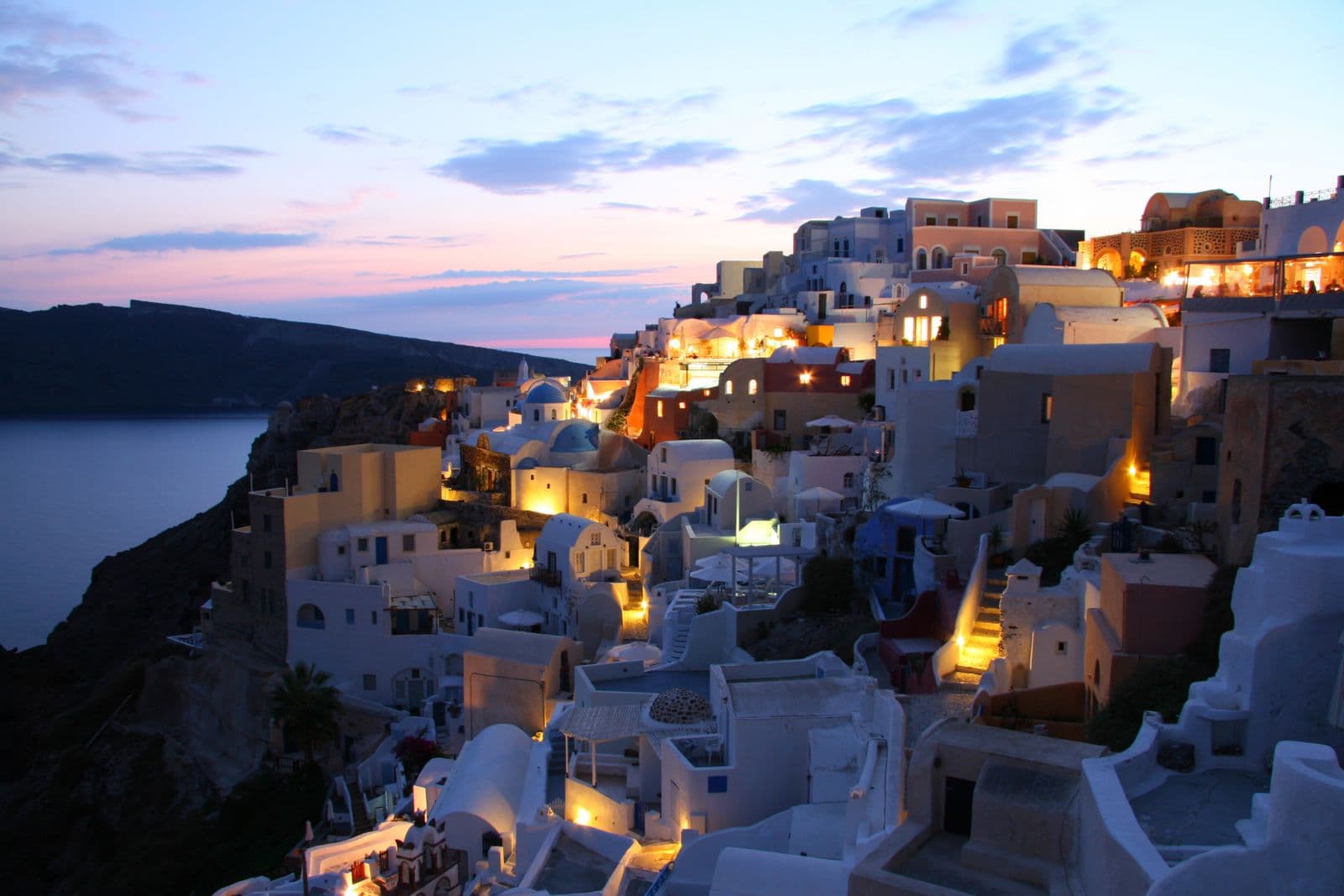
Griechenland läuft auf zwei Geschwindigkeiten. Mykonos, Santorini und die Athener Riviera ziehen die Schlagzeilen und das Geld auf sich. Chalkidiki dagegen, die dreifingrige Halbinsel eine Stunde von Thessaloniki entfernt, bietet Pinienwald, der direkt ins klare Wasser fällt – für einen Bruchteil der Inselpreise. Kavala, weiter östlich, ist eine echte, arbeitende Stadt mit Stränden innerhalb der Stadtgrenzen. Inseln wie Thassos und Limnos tauchen auf internationalen Radarschirmen kaum auf.
Warum so günstig? Die Nachfrage kommt hier größtenteils vom Balkan, und sie kommt mit dem Auto. Serben, Rumänen und Bulgaren fahren im Sommer herunter, was deckelt, was der Markt verträgt, während internationale Fluggäste selten nördlich von Athen schauen. Der Preis dafür ist eine kurze Saison. Von November bis April wird es an weiten Teilen der Küste Chalkidikis still, und das Inselleben schrumpft auf den Fährplan zusammen. Wer im Januar Espresso an einer belebten Uferpromenade will, sollte eher in eine Stadt auf dem Festland schauen.
Türkei: Alanya, Mersin und Kuşadası
Die Türkei ist derzeit wohl das breiteste Tor zu Wohneigentum am Meer, und in Städten mit Lira-Einkommen sind die Preise vernünftig geblieben, selbst während Istanbul und Bodrum teurer wurden. Alanya verkauft seit zwei Jahrzehnten Wohnungen an Ausländer, der Ablauf ist eingespielt, und der Wiederverkaufsmarkt funktioniert tatsächlich. Der Flughafen Gazipaşa liegt vierzig Minuten entfernt. Mersin ist die Überraschung dieser Liste: eine Stadt mit rund einer Million Einwohnern am östlichen Mittelmeer, mit einer langen Palmenpromenade, fast ohne internationalen Tourismus und mit einem neuen Regionalflughafen, der 2024 eröffnet hat. Kuşadası an der Ägäis verbindet einen Kreuzfahrthafen mit einer Autostunde bis zum ganzjährigen Flughafen von Izmir.
Der Grund für den niedrigen Preis ist zugleich das Risiko: Währungsschwankungen und ein großes Bauangebot. Die Bauqualität schwankt stark zwischen den Entwicklern, und in übersättigten Vierteln konkurriert man beim Wiederverkauf mit einem nagelneuen Block auf der anderen Straßenseite. Kaufen Sie die Lage und den Bauträger, nicht das Rendering. Unser Länderguide Türkei erklärt den TAPU-Prozess und was vor der Anzahlung zu prüfen ist.
Montenegro: Bar und Ulcinj
Kotor fotografiert jeder. Nur wenige fahren südlich von Budva weiter, und genau dort steckt der Wert. Bar ist ein arbeitender Hafen, an dessen Kai die Bahnlinie aus Belgrad endet, mit einer Altstadt in den Hügeln dahinter und langen Kiesel-Sand-Stränden, die Einheimische weit mehr nutzen als Touristen. Ulcinj, die letzte Stadt vor Albanien, hat den Velika Plaža: rund zwölf Kilometer ununterbrochenen Sandstrand, eine Seltenheit an der Adria.
Diese Orte bleiben erschwinglich, weil sich Geld und Flüge um die Bucht von Kotor und den Flughafen Tivat konzentrieren, während Bar und Ulcinj auf Podgorica angewiesen sind, rund eine Stunde landeinwärts. Die Winter sind wirklich ruhig, und die Infrastruktur südlich von Bar hinkt der Bucht noch hinterher. Im Gegenzug erhält man eine Adresse an der Adria ohne den Promi-Aufschlag der Adria, in einem Land, das ausländischen Käufern gegenüber weiterhin aufgeschlossen ist. Details und aktuelle Angebote gibt es auf unserer Montenegro-Seite.
Batumi, Georgien
Batumi ist die Boomtown am Schwarzen Meer: eine Wand aus Hochhauswohnungen und Aparthotels vor einem langen Kiesstrand, mit Casinos in den Erdgeschossen. Georgien macht den Kauf für Ausländer nahezu reibungslos. Eine Wohnung lässt sich innerhalb eines Tages eintragen, es gibt keine Beschränkung für ausländisches Eigentum an Wohnungen, und die Nebenkosten gehören zu den niedrigsten auf dieser ganzen Liste.
Fragt man einen Einheimischen in Batumi nach dem Wetter, bekommt man eine ehrliche Antwort: subtropisch heißt grün, und grün heißt Regen. Die Stadt bekommt ein Vielfaches der Jahresniederschlagsmenge Londons ab, das meiste davon außerhalb der Badesaison.
Die Erschwinglichkeit kommt schlicht vom Angebot. Die Türme wachsen weiter, und Tausende fast identischer Anlegerwohnungen konkurrieren um dieselben Sommermieter. Genau das ist der Preis, den man einkalkulieren sollte. Wählen Sie eine Einheit mit etwas Seltenem – einer Sichtachse oder einem Grundriss, den der nächste Turm nicht kopieren kann – oder akzeptieren Sie, dass Sie eine Massenware kaufen.
Zypern: Larnaka und die Küste drumherum
Zypern teilt sich sauber auf. Limassol wurde teuer, als Finanz- und Techleute zuzogen; Paphos trägt den britischen Aufschlag. Larnaka ist die ehrliche Preis-Leistungs-Option der Insel, und als Einziges der drei liegt der internationale Flughafen direkt vor der Tür. Man landet und kann binnen einer halben Stunde schon schwimmen. Die Uferpromenade wird gerade rund um ein neues Marina-Projekt umgestaltet, und die Stadt behält einen bewohnten, ganzjährigen Rhythmus, der reinen Ferienorten fehlt.
Warum billiger? Larnaka war historisch die bodenständige Wahl, arm an Glamour und reich an Pauschalhotels, und ein Ruf ändert sich langsamer als die Realität. Manche Strände sind eher graubraun als weiß, und die Gastroszene ist dünner als in Limassol. Für eine im Winter nutzbare Mittelmeerbasis mit echter Mietnachfrage liest sich das wie ein kleiner Preis.
Spanien: Costa Blanca, ein paar Straßen weiter
Spaniens günstige Küste versteckt sich nicht in irgendeiner unentdeckten Bucht. Sie liegt offen an der südlichen Costa Blanca, im dichten Straßenraster rund um Torrevieja und die Vega Baja, wo Bauträger in den 2000er-Jahren riesige Mengen an Wohnraum hochgezogen haben. Schon zwei Kilometer von der ersten Reihe entfernt, Richtung Rojales oder San Miguel de Salinas, fällt der Preis noch einmal, während der Strand eine Zehn-Minuten-Fahrt entfernt bleibt.
Der Flughafen Alicante fliegt ganzjährig die halbe europäische Karte an, die Wintertemperaturen laden zum echten Leben statt zum Winterschlaf ein, und der Wiederverkaufsmarkt ist tief und schnell. Der Preis dafür ist ästhetische Ehrlichkeit. Das ist dicht bebaute, niedriggeschossige Vorstadt am Meer, kein weiß getünchtes spanisches Dorf, und in manchen Straßen gehört die Mehrheit der Häuser Ausländern. Passt das zu einem, macht kaum ein anderer Ort in Europa Wohneigentum so einfach. Passt es nicht, hilft kein Preis dagegen.
Italien: Kalabrien und der Westen Siziliens
Süditalien ist dort, wo Europas Romantiker nach Schnäppchen jagen, und die Gründe dafür sind handfest. Kalabrien verliert seit Generationen Einwohner, weshalb es in den Küstenorten mehr Wohnraum als Haushalte gibt; selbst nahe dem postkartentauglichen Tropea verkaufen sich Dörfer eine kurze Fahrt landeinwärts zu Summen, die wie Tippfehler wirken, wenn man in Ligurien einkauft. Auf Sizilien läuft es genauso, sobald man Taormina und die Küste bei Palermo hinter sich lässt. Der Westen der Insel, rund um Trapani und Marsala, blickt auf dasselbe Meer, nur bei weit geringerer internationaler Nachfrage.
Die Haken sind real. Ein Großteil des günstigen Bestands braucht Renovierung, die italienische Bürokratie belohnt vor allem Geduld, und der Winterflugplan nach Lamezia Terme oder Trapani dünnt stark aus. Kaufen Sie hier aus Liebe und für lange Sommer. Als reines Renditeobjekt schlagen andere Märkte dieser Liste Italien.
Thailand: Pattaya und Hua Hin
Verlässt man Europa, ändert sich die Rechnung noch einmal. Pattaya und Hua Hin sind gereifte Ferienstädte, in denen ein Apartment weniger kosten kann als ein Stellplatz in mancher europäischen Marina, und anders als am Mittelmeer schließt die Saison nie ganz. Pattaya liegt rund zwei Stunden von Bangkoks Flughäfen entfernt, mit einem tiefen, liquiden Apartmentmarkt. Hua Hin, am gegenüberliegenden Ufer des Golfs, ist der ruhigere Ferienort, den thailändische Familien seit einem Jahrhundert nutzen.
Ausländische Käufer besitzen Apartments im Rahmen der thailändischen Quote von 49 Prozent ausländischem Eigentum pro Gebäude; Grund und Boden stehen praktisch nicht zur Wahl, und Pachtkonstruktionen brauchen einen Anwalt, der für den Käufer arbeitet und nicht für den Verkäufer. Rechnet man den zehnstündigen Flug aus Europa und das Währungsrisiko dazu, belohnt Thailand vor allem jene, die vorhaben, ganze Winter dort zu verbringen – nicht diejenigen, die einem fernen Papierwert hinterherjagen.
Der Außenseiter: der Sewansee, Armenien
Hier gibt es kein Meer, und wir tun nicht so, als wäre es anders. Der Sewansee liegt auf rund 1.900 Metern Höhe, eine Stunde von Jerewan entfernt, umgeben von Stränden, die jeden Juli und August voller armenischer Familien sind. Das Wasser bleibt selbst im Hochsommer erfrischend kalt. Die Saison ist kurz. Die Winter sind richtig kalt.
Warum also mit auf der Liste? Weil sich die Rechnung für Wohneigentum am Wasser ändert, sobald ein ganzes Land genau eine Küstenlinie besitzt. Die Nachfrage nach Sommerhäusern rund um den Sewansee ist einheimisch, die Preise spiegeln lokale Löhne, und Armenien erlaubt Ausländern den Kauf bestehender Immobilien ohne Aufenthaltshürden. Als eigenwillige Sommerbasis mit Wasserblick ist es das günstigste Wasserpanorama in unserem gesamten Katalog. Nur nennen Sie es bitte nicht das Meer.
Die richtige Küste finden
Vier Fragen räumen mit dem meisten Grundrauschen auf:
- Kommen Sie im Februar überhaupt hin – und wollen Sie dann auch dort sein?
- Wer kauft Ihnen die Immobilie in zehn Jahren ab: Einheimische, oder nur andere Ausländer?
- Ist der Preis niedrig wegen eines Angebots, das man sehen kann, oder wegen Problemen, die man nicht sieht?
- Erlaubt Ihnen das Land, wirklich das zu besitzen, was Sie zu kaufen glauben – als Volleigentum und auf Ihren eigenen Namen?
Wer diese Fragen ehrlich beantwortet, dem schrumpft die Liste oben schnell auf zwei, drei Kandidaten zusammen. Von da an geht es darum, Straßen abzulaufen, nicht Ratgeber zu lesen. Aktuelle Angebote aus all diesen Märkten lassen sich im HomeNSearch-Katalog vergleichen – für eine Shortlist, bevor überhaupt ein Flug gebucht wird.
Häufig gestellte Fragen
Ist günstige Immobilie am Meer in Europa 2026 noch realistisch?
Ja, aber selten an bekannten Küsten. Das erschwingliche Angebot liegt in Nordgriechenland, Kalabrien, im Süden Montenegros und an der zweiten Reihe der Costa Blanca – dort, wo lokale Nachfrage den Preis bestimmt und nicht internationale Schlagzeilen. Die Häuser gibt es; den Glamour nicht.
Warum sind diese Orte so viel günstiger als bekannte Ferienziele?
Meist eine Mischung aus kurzer Saison, umständlichem Flughafenzugang und geringem Bekanntheitsgrad. Keiner dieser Punkte betrifft das Meer selbst. Sie betreffen aber das Winterleben und die Geschwindigkeit beim Wiederverkauf, deshalb verdient jeder Punkt einen genauen Blick vor dem Kauf, nicht danach.
Was ist das größte Risiko beim Kauf in einem günstigen Küstenmarkt?
Illiquidität. Ein Schnäppchen, das sich nicht wiederverkaufen lässt, ist kein Schnäppchen, sondern eine Schenkung an die Erben. Märkte voller identischer Neubauwohnungen, wie Teile von Batumi oder Alanya, bestrafen austauschbare Käufe – kaufen Sie deshalb etwas Seltenes: eine Lage, einen Ausblick, eine Straße, die man gerne zu Fuß geht.
Können Ausländer in der Türkei, Georgien und Montenegro frei kaufen?
Grundsätzlich ja, für Wohnungen und Häuser, mit länderspezifischen Einschränkungen wie Beschränkungen für landwirtschaftliche Flächen in Georgien oder Prüfungen militärischer Sperrzonen in der Türkei. Die Abläufe sind einfacher, als die meisten Käufer erwarten. Unabhängigen Rechtsrat sollte man trotzdem einholen – eine günstige Versicherung für eine günstige Küste.