Pregunta a diez personas dónde comprar en 2026 y tendrás diez respuestas, casi todas moldeadas por el mercado que cada una vende. Así que empecemos con las reglas del juego. Esta guía compara nueve países con los que trabajamos a diario en HomeNSearch, presente en 13 mercados, y deliberadamente no establece ningún ranking. Un ranking sugiere que existe una única respuesta correcta. No la hay: el mejor país para comprar propiedad de inversión depende de qué necesitas que haga esa propiedad, ya sea pagarte alquiler, revalorizarse con el tiempo o traer consigo un permiso de residencia.
Una promesa antes de empezar la lista. Donde un programa de residencia se ha cerrado, lo decimos. Donde una moneda anda inestable, también. Los reportajes que se saltan los riesgos han costado dinero real a compradores reales, y desenredar después esas compras ocupa buena parte de la semana de cualquier agente, aunque pocos lo admitan.
Los nueve mercados que siguen son los que eligen realmente nuestros compradores de inversión, de entre los 13 países que listamos. Italia, Francia y el resto del catálogo también pueden funcionar como inversión; simplemente estos nueve son donde los casos se ven más claros ahora mismo.
Cómo elegir antes de comparar países
Cuatro preguntas ordenan a la mayoría de los compradores más rápido que cualquier tabla de precios por metro cuadrado.
- ¿Cuál es el objetivo? Renta, revalorización del capital y derechos de residencia apuntan a mapas distintos. La renta favorece mercados con poca carga fiscal y mucho turismo. El crecimiento favorece economías que despegan desde una base baja. La residencia reduce el campo a los pocos países que todavía cambian propiedad por permiso.
- ¿Con qué rapidez podrías necesitar salir? La liquidez es la variable silenciosa de cualquier compra en el extranjero. Un piso bien tasado en Madrid puede venderse en semanas; una villa en una pequeña península del Adriático puede esperar un año a su único comprador. Si tu capital tiene fecha límite, esa diferencia pesa más que un punto extra de rentabilidad.
- ¿Qué se lleva el fisco en cada etapa? Cuenta los tres momentos: compra, tenencia y venta. Un mercado puede ser barato para entrar y caro para mantener, o al revés. Dubái y Nicosia piden casi nada cada año; buena parte de Europa Occidental cobra su parte todos los años que eres propietario.
- ¿Quién lo gestiona? Un apartamento a tres husos horarios de distancia necesita a alguien local que lo alquile, lo limpie y arregle la caldera a las dos de la madrugada. Mercados con empresas de gestión consolidadas, como Dubái, Phuket o las costas españolas, toleran mucho mejor a un propietario ausente que aquellos donde tendrías que montar ese servicio tú mismo.
La pregunta útil no es «qué país es el mejor» sino «qué país hace mejor el único trabajo para el que estoy contratando esta propiedad».
Un filtro más que evita disgustos: escoge solo países que estés dispuesto a visitar al menos una vez antes de firmar, y aproximadamente una vez al año después. Las normas cambian, los barrios cambian, y el propietario que se presenta se entera de ambas cosas antes de que el mercado se lo cobre en el precio.
Ten presentes tus respuestas mientras lees. Aquí van los nueve mercados, con la versión honesta de cada caso.
Emiratos Árabes Unidos: el caso de la renta
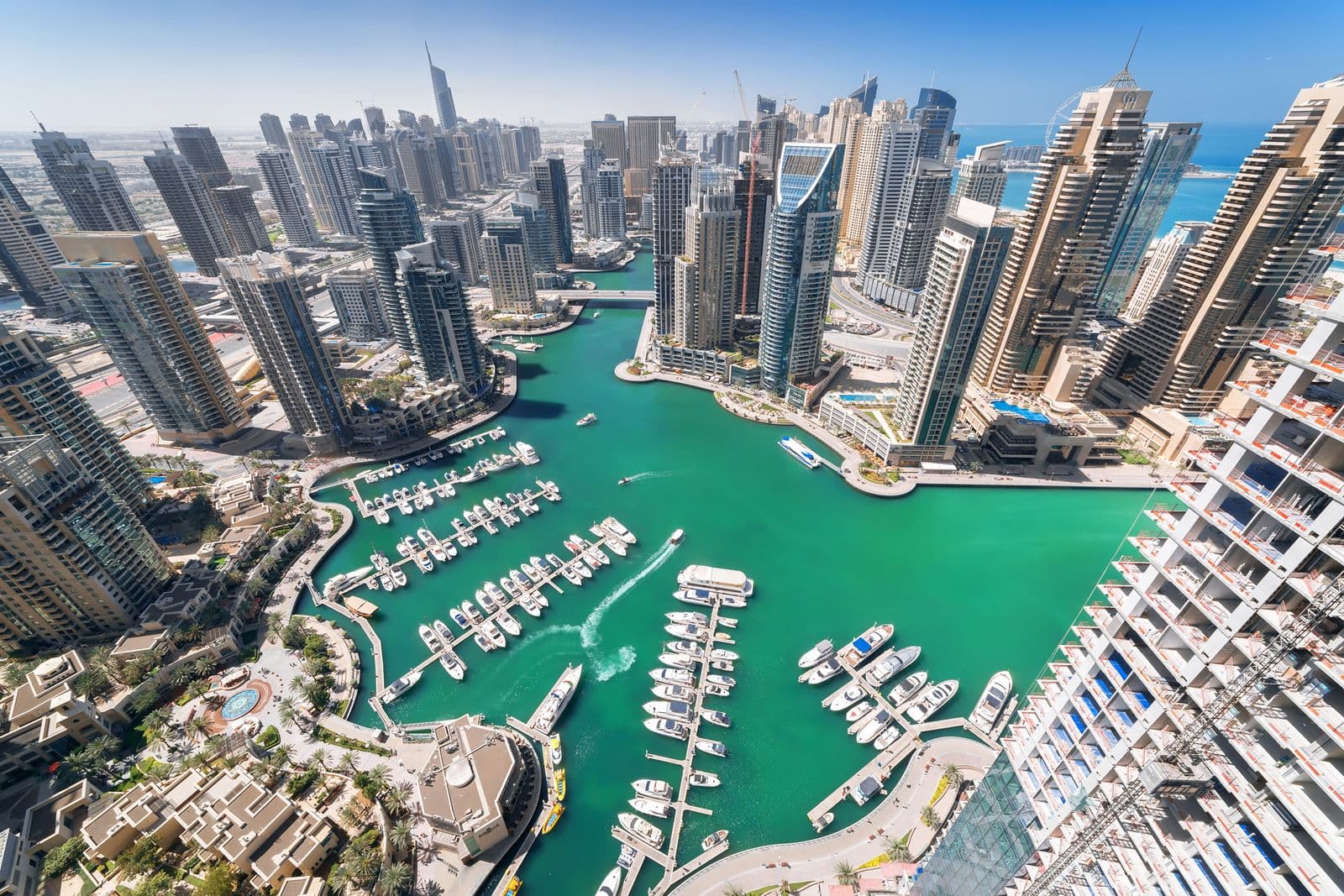
Dubái es el argumento más sencillo de este artículo. El emirato no cobra impuesto anual sobre la propiedad ni sobre el alquiler, así que la renta bruta queda, cosa rara, muy cerca de lo que realmente te llevas. Tus principales costes son una comisión única del 4% de transferencia al Dubai Land Department al comprar y las cuotas de comunidad mientras eres propietario. Esa aritmética explica por qué rentabilidades que sonarían fantasiosas en París o Múnich resultan normales en Jumeirah Village Circle o Dubai Marina.
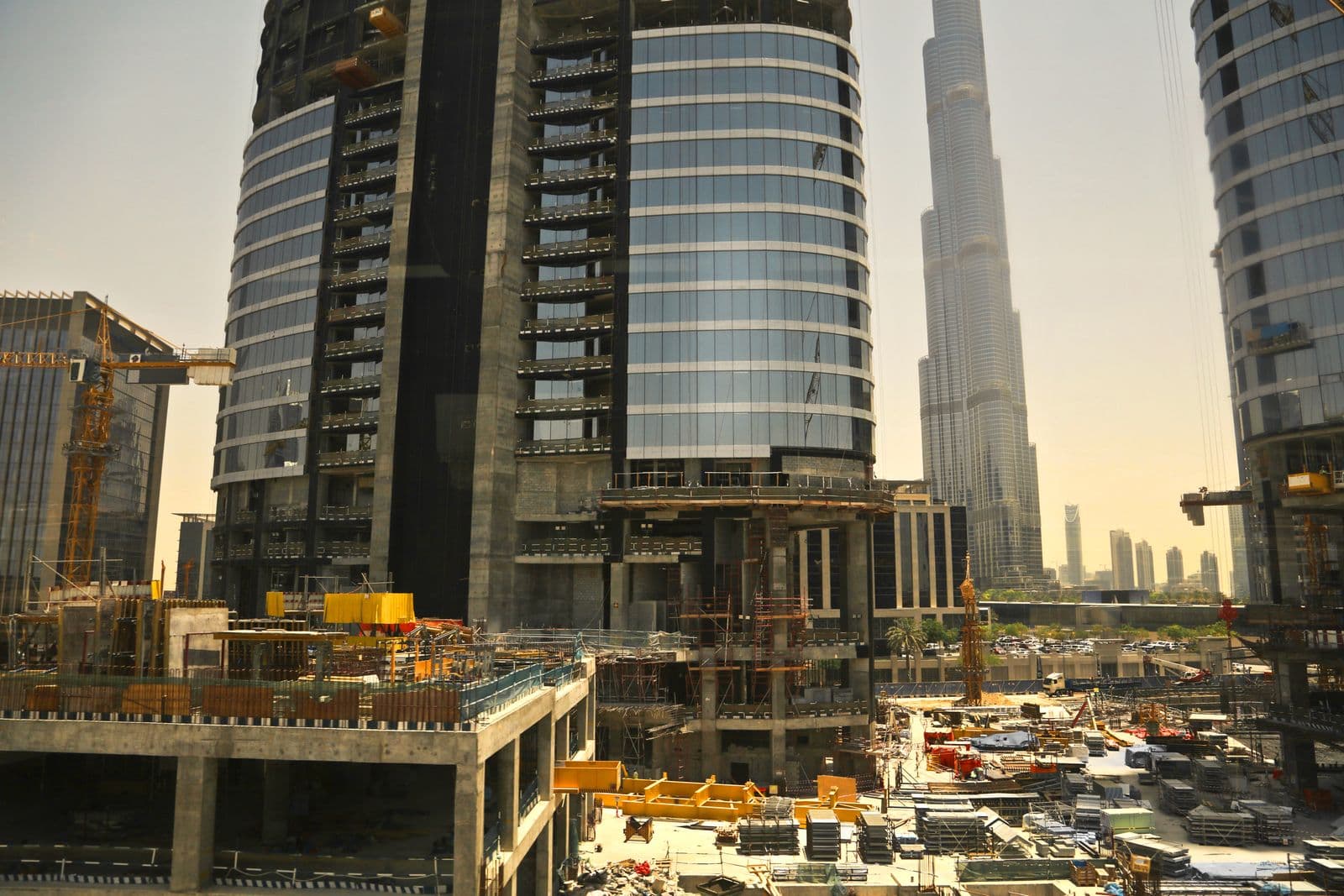
Los extranjeros compran en propiedad plena en zonas designadas, y el trámite se mueve rápido; una transferencia de título se mide en días, no en meses. Con una inversión de 2 millones de dirhams o más se accede a la Golden Visa de 10 años, convertida en silencio en la vía de residencia más usada entre nuestros compradores de inversión. Los riesgos están en la oferta y el ciclo. Dubái construye a un ritmo que ninguna ciudad europea se atreve a igualar, y las entregas masivas sobre plano pueden ablandar los alquileres barrio por barrio durante uno o dos años seguidos. Compra por la ubicación y el historial del promotor, no por el render. Los compradores sobre plano sí cuentan con una capa de protección que conviene conocer: los pagos pasan por cuentas de garantía reguladas por el Land Department y se liberan según los hitos de la obra.
El visado en sí cubre a cónyuge e hijos, se renueva mientras conserves el activo y no exige residir en los EAU. Por eso tantos compradores lo tratan como un plan B del que, de paso, cobran alquiler.
Nuestra página de propiedades en EAU muestra lo que pide el mercado en cada segmento, desde estudios hasta áticos de marca.
Chipre: acceso a la UE con costes de tenencia bajos
Chipre eliminó su impuesto anual sobre bienes inmuebles allá por 2017, lo que lo convierte en uno de los lugares más baratos de la UE para simplemente ser propietario. Súmale un sistema legal basado en el common law inglés, contratos que puedes leer en inglés, y un programa de residencia permanente que acepta una inversión de 300.000 € en obra nueva, y el atractivo de la isla para compradores no comunitarios deja de ser un misterio. La residencia, por su parte, solo pide una visita cada dos años para mantenerse viva, uno de los requisitos de presencia más ligeros de Europa.
El motor del alquiler es el turismo más una economía de servicios en expansión. Limassol aporta la demanda corporativa, Pafos y Larnaca se llevan los alquileres vacacionales, y la temporada dura lo suficiente para que los propietarios de corta estancia no lo apuesten todo a agosto. Conviene añadir dos matices a cualquier resumen honesto. Las plusvalías por venta de propiedad tributan al 20%, así que calcula la salida antes de enamorarte de la entrada. La obra nueva lleva IVA y la reventa no, lo que cambia la comparación más de lo que sugieren los precios de salida; haz números con las dos versiones antes de elegir bando. Y los precios de obra nueva en Limassol llevan años disparados; la caza de valor hoy ocurre en Larnaca y en los pueblos a pocos minutos de la costa.
Nuestro catálogo de Chipre recorre las ciudades costeras si quieres compararlas entre sí.
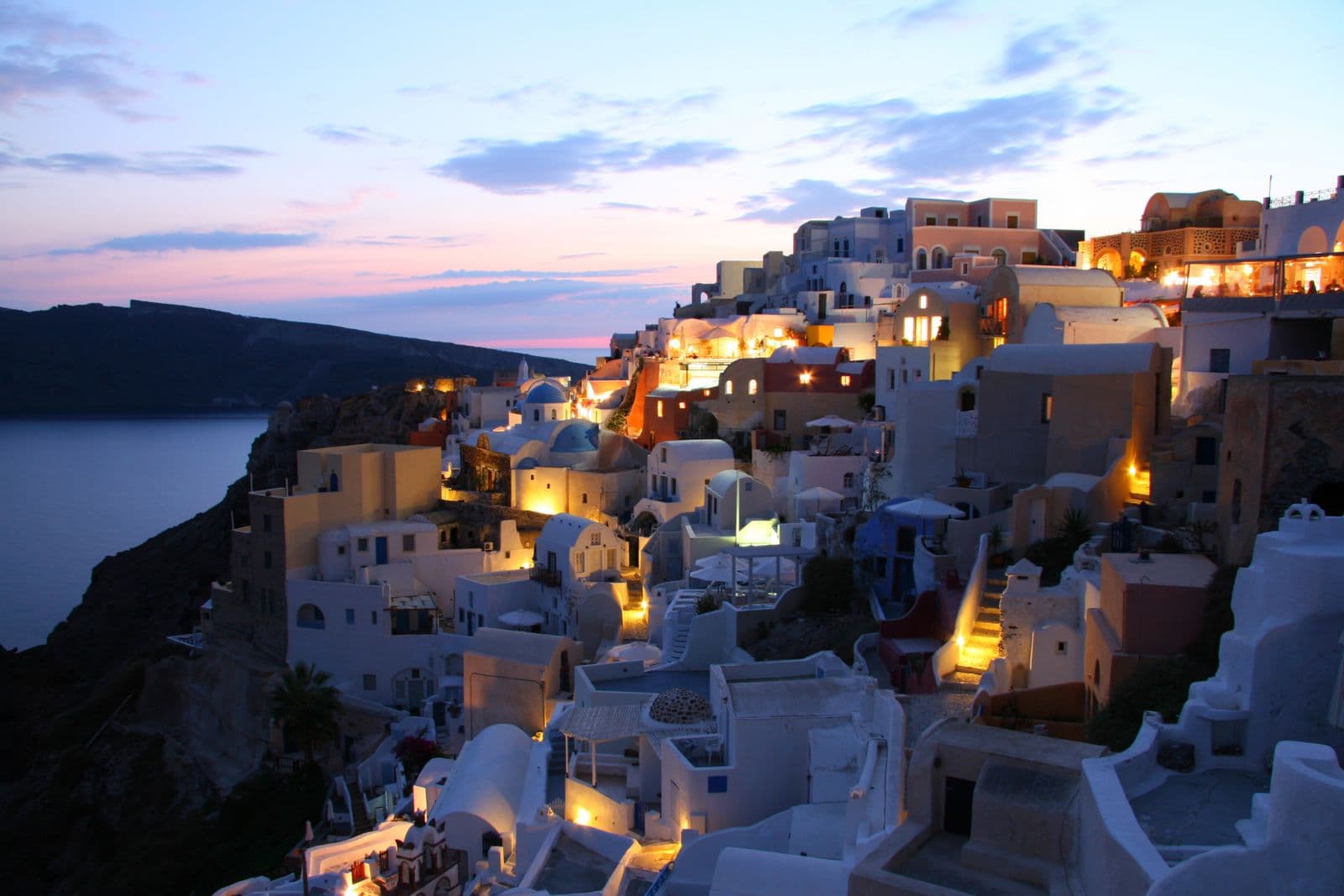
Grecia: recuperación con visado incluido
El mercado inmobiliario griego cayó durante casi una década y lleva desde 2017 recuperando terreno. Ese largo valle es la oportunidad. Incluso tras un crecimiento fuerte, buena parte del mercado sigue por debajo de costas comparables de Europa Occidental, mientras el turismo bate récords nacionales y llena las agendas de alquiler vacacional de mayo a octubre. Atenas tiene la liquidez, las islas se llevan los precios por noche más llamativos, y las costas de Salónica quedan en un punto intermedio.
La Golden Visa sobrevivió aquí después de que España y Portugal cerraran las suyas, aunque el umbral de entrada depende ahora de la geografía. Las zonas de mayor demanda exigen 800.000 €, el resto del país 400.000 €, y sigue existiendo una vía de 250.000 € para rehabilitar edificios catalogados o convertir locales comerciales, que se ha ido convirtiendo en el rincón de los cazadores de gangas del programa. Un aviso normativo para quien invierta pensando en la renta: Atenas ha empezado a restringir los nuevos registros de alquiler de corta estancia en sus distritos centrales. Comprueba las normas del barrio exacto donde compras, no el titular nacional. Aun así, un piso que se quede sin licencia de corta estancia no se queda sin demanda; Atenas arrastra una escasez persistente de pisos reformados para sus propios residentes, y los inquilinos de larga duración hacen cola por el buen stock. El visado no exige estancia mínima alguna, y muchos titulares solo viajan a echar un vistazo al piso.
Turquía: entrada barata, lecciones de moneda dura
En dólares, Estambul y Antalya venden algunos de los metros cuadrados más baratos de cualquier gran ciudad de esta lista. Los extranjeros compran con pocas restricciones, las operaciones se cierran rápido, y una compra de 400.000 $ sigue dando derecho a toda la familia a la ciudadanía turca, pasaporte incluido, tras un compromiso de tenencia de tres años. Sobre el papel, es la oferta más agresiva de este artículo.
Ahora la parte honesta. La lira lleva una década perdiendo terreno frente al dólar, y la inflación, aunque ya bajó de su pico, sigue muy por encima de lo que un inversor europeo considera normal. Los alquileres llegan en liras y se actualizan en calendarios que históricamente van por detrás de la inflación, así que la parte de renta de una inversión turca resulta poco fiable en moneda fuerte. A quienes les va bien aquí tratan el piso como un activo valorado en dólares con pasaporte incluido, y cualquier alquiler como propina. Quienes persiguen solo la rentabilidad suelen acabar decepcionados, y suelen irse dando voces.
Un detalle de procedimiento si el pasaporte es el objetivo: el umbral de 400.000 $ se mide por una tasación oficial, no por el precio del contrato, y la compra tiene que quedar registrada correctamente desde el primer día. Usa un abogado que ya haya recorrido exactamente esta vía, no un generalista.
Georgia: el papeleo más rápido de esta lista
El registro del título en Georgia se resuelve en un día laborable en un Public Service Hall, cuesta una tasa simbólica y no exige residencia, socio local ni permiso para apartamentos; las tierras agrícolas son la excepción que un extranjero no puede tocar. Tras la compra, los impuestos apenas se cruzan en tu camino: una pequeña cuota fija sobre el alquiler para el Estado y poco más. Para una primera compra en el extranjero, esa ausencia de fricción convence por sí sola.
Batumi es el motor. Este resort del Mar Negro tiene una temporada larga de turismo de playa, congresos y tráfico de casinos que llega de toda la región, y sus torres frente al mar se levantaron precisamente para la demanda de corta estancia que genera ese tráfico. Los barrios antiguos de Tiflis ofrecen la jugada más tranquila: pisos reformados para teletrabajadores y visitantes de larga estancia. Calcula ambos con realismo. Batumi sigue sumando torres, así que el barrio y el operador que gestione tu unidad deciden si los números cuadran. El lari se mueve, como cualquier moneda pequeña, aunque las operaciones aquí suelen fijarse en dólares, lo que suaviza la pregunta al comprar aunque los alquileres sigan llegando en moneda local. Empieza por nuestros anuncios en Georgia y valora tú mismo la horquilla.
Montenegro: escasez en el Adriático
La costa de Montenegro es corta y escarpada, y buena parte está protegida, así que la oferta de litoral edificable es realmente limitada; alrededor de la bahía de Kotor, declarada Patrimonio de la Unesco, prácticamente está fija. Esa escasez trabaja despacio y con paciencia a favor del valor a largo plazo. El país usa el euro, grava la propiedad con suavidad y otorga a los propietarios un permiso de residencia temporal renovable, una ventaja modesta pero real para quien piense pasar allí los veranos. Kotor, Tivat y Budva se comportan como tres mercados distintos metidos en cuarenta kilómetros de costa; el mismo dinero compra cosas muy diferentes en cada uno, así que conviene verlos los tres antes de decidir.
La apuesta mayor es política. Montenegro es candidato a la UE, y cada paso creíble hacia la adhesión ha empujado los precios de la costa más cerca de los estándares comunitarios. Nada garantiza el calendario, y otras candidaturas se han estancado antes. Dos avisos. El programa de ciudadanía por inversión cerró a finales de 2022, así que ignora cualquier publicidad que insinúe lo contrario. Y este es un mercado pequeño: el número de compradores para una villa de 900.000 € sobre Kotor se cuenta por docenas, no por miles. La paciencia forma parte del precio de entrada.
Portugal y España: la pareja madura
Estos dos van juntos porque resuelven un problema distinto. Nadie compra en Lisboa o Málaga por el trato fiscal. Se compra por la profundidad del mercado: título transparente, hipotecas para no residentes de bancos corrientes, mercados de alquiler profesionales y, sobre todo, liquidez de reventa. La financiación es una ventaja silenciosa por sí sola; pedir prestado a un banco español o portugués a un tipo razonable permite que el mismo capital rinda más de lo que rinde en casi cualquier otro mercado de esta lista. Cuando tus planes cambian, un piso bien tasado en una gran ciudad ibérica encuentra comprador rápido. En la mayoría de los otros mercados de este artículo, no.
Portugal
Empecemos por dejar algo claro: la vía inmobiliaria del golden visa cerró en octubre de 2023, y comprar propiedad ya no da acceso a la residencia aquí. Lo que queda es un mercado con demanda internacional constante en Lisboa, Oporto y el Algarve, un buen fondo de inquilinos de larga duración y una industria turística que no da señales de encogerse. Los costes de compra y los impuestos municipales son reales pero previsibles, y el proceso legal apenas depara sorpresas. El Portugal de hoy es un caso de inversión convencional, y tras la espuma provocada por el programa a principios de los 2020, eso resulta más sano para quien compra ahora.
España
España cerró su golden visa en abril de 2025, así que aplica la misma lógica: ven por el mercado, no por el papeleo. Es el mercado más grande y líquido de este artículo, donde se negocia de todo, desde pisos modestos del interior hasta villas de ocho cifras en Marbella, a través de una infraestructura profesional que lleva cincuenta años atendiendo a compradores extranjeros. Dos cosas merecen atención antes de comprometerte. Los costes de compra totales suelen rondar dos dígitos porcentuales sobre el precio, y las licencias de alquiler de corta estancia se han vuelto genuinamente difíciles de conseguir en Barcelona y otras ciudades muy reguladas. El alquiler de larga duración, en cambio, se apoya en una escasez crónica de vivienda en todas las grandes áreas metropolitanas.
Tailandia: renta turística con mecánica de cupo
Tailandia es el único país de esta lista donde hay que explicar antes que nada la estructura de propiedad. Los extranjeros no pueden ser dueños de terreno, pero sí de unidades de condominio en propiedad plena, con una salvedad escrita en la Ley de Condominios: los compradores extranjeros pueden poseer como máximo el 49% de la superficie total de un edificio. Los edificios populares agotan ese cupo, así que la primera pregunta sobre cualquier condominio tailandés es si aún queda cupo extranjero. Hay una segunda mecánica. Para registrar la propiedad plena extranjera, el dinero de la compra debe llegar desde el extranjero en moneda extranjera, documentado por el banco receptor, así que planifica el papeleo de la transferencia antes del plazo, no después. Si el edificio que quieres ya no tiene cupo, la alternativa es un arrendamiento registrado a 30 años, renovable por acuerdo. Algunos compradores lo aceptan sin problema; otros se retiran. Decide cuál de los dos eres antes de subir al avión.
Con la estructura bien resuelta, el caso de inversión es renta turística sin más. Phuket, Pattaya y Bangkok mueven cada uno mercados de alquiler enormes, y los edificios de categoría resort suelen venir con equipos de gestión que tratan al propietario ausente como cliente por defecto, no como excepción. No hay residencia por comprar propiedad, así que trata Tailandia solo como una jugada de renta y estilo de vida, no de inmigración.
Los riesgos que viajan contigo
Algunos riesgos son propios de cada país y ya quedaron cubiertos arriba. Cuatro te siguen a todas partes. La moneda, primero: si ganas en euros y tu activo genera en liras, laris o baht, el movimiento del cambio puede borrar sobre el papel un año de renta, o de vez en cuando regalarte una ganancia inesperada. La regulación, segundo. Las normas de alquiler de corta estancia se han endurecido en Atenas, Barcelona y Lisboa en apenas unos años, y un régimen de licencias puede cambiar de la noche a la mañana las cuentas de un piso vacacional.
Luego la salida. Costes de venta, impuesto sobre plusvalías y, en algunos países, meses de burocracia se comen parte del retorno final, y casi nadie los calcula al entrar. Hazlo al entrar. Por último, la propia distancia: una propiedad que no puedes visitar necesita informes en los que confíes, desde recibos de alquiler hasta facturas de reparación. Pregunta a cualquier empresa de gestión que entrevistes cómo, y con qué frecuencia, informa a los propietarios. La calidad de esa respuesta anticipa toda la relación.
Emparejando el país con el inversor
Así resumimos la decisión en la práctica, según los perfiles de comprador que más vemos en los 13 países de HomeNSearch.
- Renta con mínima fricción fiscal apunta a Dubái, con Georgia como la versión de bajo presupuesto de la misma idea.
- Residencia UE junto con un activo alquilable significa Grecia mediante la Golden Visa, o Chipre mediante su vía de residencia permanente de 300.000 €.
- Un segundo pasaporte como prioridad significa Turquía, entrando con los ojos abiertos sobre la lira.
- El crecimiento de capital a largo plazo favorece la costa de Montenegro, comprada con paciencia sobre la eventual salida.
- Liquidez y poco drama por encima de todo apuntan a España o Portugal, aceptando impuestos más altos como el precio de un mercado profundo.
- La economía pura del alquiler vacacional lleva a Tailandia, una vez resuelta la cuestión del cupo.
Nada de esto es teórico. Los nueve mercados de arriba son donde se concentran nuestros compradores de inversión, las páginas de cada país llevan el stock actual, y nuestro equipo te disuadirá de una mala decisión antes de que te comprometas a nada. Ese último servicio no cuesta nada y es el que más ahorra.
Preguntas frecuentes
¿Qué país cobra menos impuestos al propietario que alquila?
Los EAU, y no hay comparación. Sin impuesto anual sobre la propiedad, sin impuesto sobre el alquiler, solo una comisión única del 4% de transferencia al comprar y las cuotas de comunidad continuas. Georgia queda segunda con sus pequeñas tasas fijas, y Chipre merece mención para los propietarios en general, ya que mantener una propiedad allí cuesta casi nada en impuesto anual. Una salvedad afecta a los tres: libre de impuestos donde está la propiedad no significa libre de impuestos en tu país, ya que el tuyo puede seguir gravando esa renta según sus propias normas y tratados.
¿Todavía se puede conseguir residencia UE comprando propiedad en 2026?
Sí, a través de dos de nuestros nueve. La Golden Visa griega va de 250.000 € a 800.000 € según la región y el tipo de propiedad, y Chipre concede residencia permanente desde 300.000 € invertidos en obra nueva. Portugal cerró su vía inmobiliaria en octubre de 2023 y España su programa en abril de 2025, así que cualquier web que todavía anuncie eso está desactualizada.
¿Sigue abierta la vía de ciudadanía por 400.000 $ en Turquía?
Sí, en el momento de publicar esto. Compra propiedad valorada en 400.000 $ o más, comprométete a mantenerla tres años, y tú y tu familia directa podéis solicitar la ciudadanía. Las condiciones del programa han cambiado varias veces desde su lanzamiento, así que confirma las reglas vigentes con un abogado independiente antes de transferir una señal.
¿Cuál es el punto de entrada más barato de esta lista?
Georgia y Turquía, por ticket de entrada. Batumi vende algunos de los apartamentos frente al mar más baratos de los mercados que cubrimos, y Estambul se mantiene barata en dólares para una ciudad de quince millones de habitantes. Aun así, entrada barata no es lo mismo que riesgo bajo; ambos mercados cargan con una exposición cambiaria que los mercados en euros o dirhams no tienen.
¿Cuál es el mercado más fácil para salir después?
España, con Portugal muy cerca. Demanda local profunda más compra internacional constante hacen que la propiedad bien tasada se mueva. Dubái también revende bien en condiciones normales, ayudada por una transferencia de título rápida. Las salidas más lentas de este grupo son los mercados pequeños, Montenegro el primero, donde encontrar al comprador adecuado puede llevar trimestres en vez de semanas.