Vraag tien mensen waar je in Portugal moet kopen en je hoort dezelfde drie namen, telkens in een andere volgorde: Lissabon, Porto, de Algarve. Geen van drieën is fout. Maar elke stad of regio past bij een ander soort koper, en de spijt die we bij HomeNSearch het vaakst tegenkomen komt van mensen die een prima woning kochten in de verkeerde regio voor hun eigen plannen. Hier is de vergelijking zonder ansichtkaartproza, met daarbij de waardegebieden die op een eerste shortlist zelden voorkomen.
De hele keuze in één alinea
Lissabon heeft de diepste huurmarkt van het land en de snelste doorverkoop, tegen de hoogste prijzen. Porto biedt bijna dezelfde stedelijke meerwaarde voor merkbaar minder geld. De Algarve ruilt stedelijke vraag in voor zon en verhuurinkomsten met een uitgesproken seizoenspatroon. De rest van dit artikel gaat over die afweging, plus een paar regio's die alle drie onderbieden.
Lissabon: de hoofdstadpremie, grotendeels verdiend
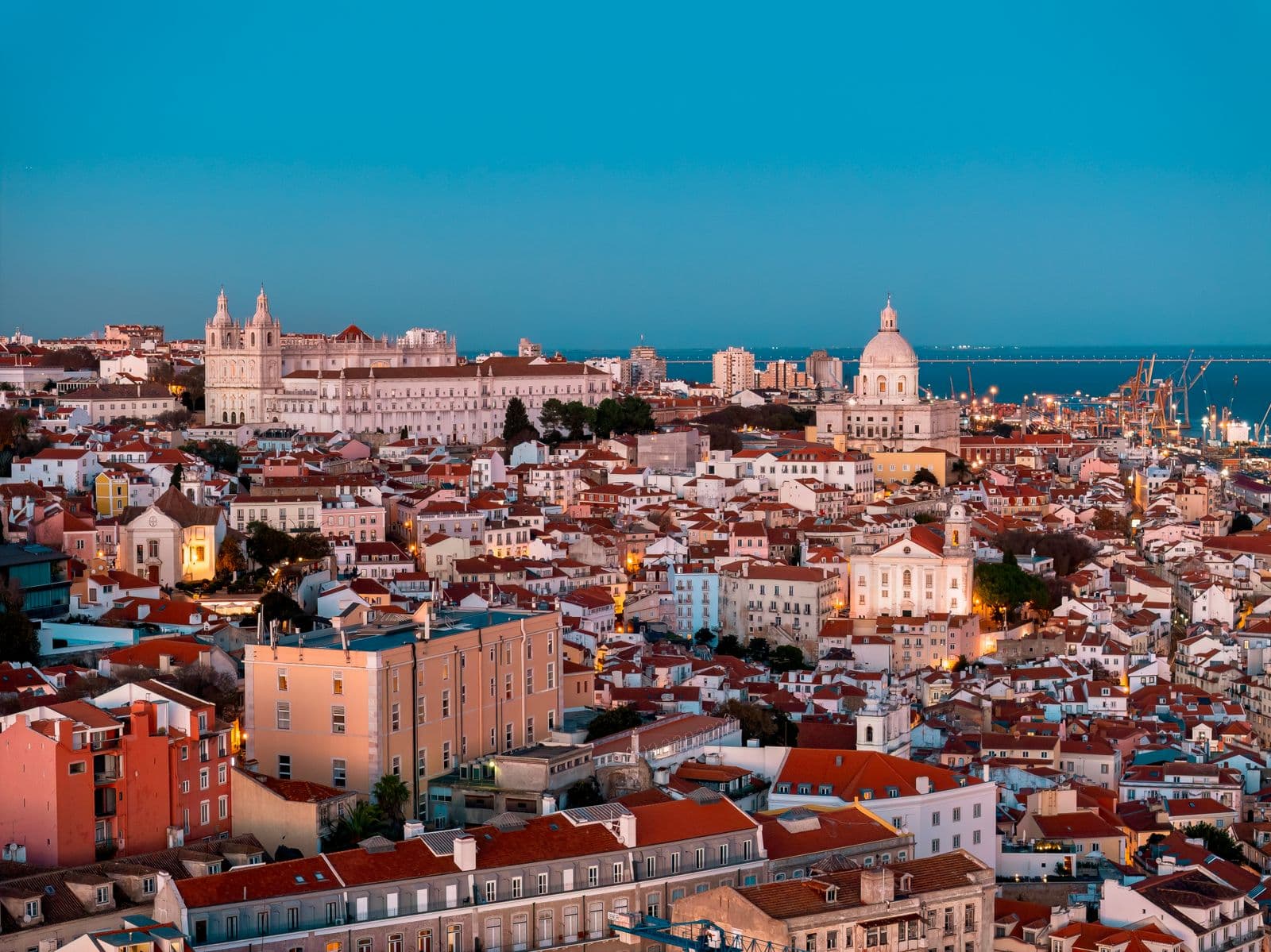
Lissabon is duur naar Portugese maatstaven, en dat is niet zonder reden. Vraag komt van alle kanten tegelijk: techwerkers en oprichters die voor de sfeer kwamen en bleven hangen, ambassade- en EU-personeel, internationale studenten, Portugese professionals die meedingen naar dezelfde centrale appartementen. Die diepte weegt zwaarder dan welke losse statistiek dan ook. Moet je verkopen, dan vind je nergens in het land sneller een koper dan in Lissabon.
De prime-kaart ligt vast. Baixa en Chiado vormen het klassieke centrum: betegelde gevels, theaters, toeristenstromen en de hotels die daarop volgen. Lapa, de oude ambassadewijk, verkoopt rustige straten en uitzicht op de rivier aan kopers die geen toeristen onder het raam willen. Príncipe Real zit qua sfeer ertussenin, en de prijzen volgen dat. Deze wijken houden hun waarde koppig vast in zwakke jaren en trekken het herstel in goede jaren.
Het interessantere verhaal speelt zich ten oosten van het centrum af. Marvila en Beato, een voormalig industrieel stuk rivieroever, vullen zich met galeries, brouwerijen en een groot innovatiecampus. Instapprijzen liggen ruim onder die van de historische kern, en de gok is een bekende: koop waar de stad naartoe gaat, niet waar ze al is aangekomen. Het is een langere horizon, geen koopje zonder addertje.
Eén waarschuwing voordat je toeristische inkomsten inrekent. Kortetermijnverhuur in Portugal loopt via een vergunning die alojamento local heet, en in delen van centraal Lissabon staat de lokale vergunningsregeling geen nieuwe registraties meer toe. Een appartement met een bestaande, overdraagbare registratie is een heel ander bezit dan een identiek appartement zonder. Langdurige verhuur werkt overal, maar bij de instapprijzen van Lissabon is het rendement mager. Het eerlijke argument voor de hoofdstad is waardestijging plus liquiditeit, met huur als bonus, niet als motor.
Porto: bijna dezelfde meerwaarde, minder geld
Porto was ooit het waardealternatief dat je moest uitleggen. Niet meer. Het toerisme groeit al een decennium hard, er komen steeds meer directe vluchten bij, en de rivierwijk Ribeira, sinds 1996 UNESCO-erfgoed, geeft de stad een centrum dat zichzelf verkoopt. Je betaalt nog altijd merkbaar minder dan in Lissabon voor een vergelijkbaar appartement op een vergelijkbare locatie, en dat verschil is het hele verhaal.
Twee wijken vertellen het verhaal van Porto. Foz do Douro, waar de rivier de Atlantische Oceaan bereikt, is de gevestigde topwijk: een boulevard langs het strand, met pijnbomen omzoomde lanen en het soort familiekapitaal dat zelden verhuist, waardoor het aanbod schaars blijft. Bonfim, een korte wandeling ten oosten van het centrum, is het opkomende hoofdstuk: verweerde herenhuizen die één voor één worden opgeknapt, cafés die openen tussen ateliers, prijzen die de locatie nog aan het inhalen zijn. Als Marvila Lissabon in de toekomende tijd is, dan is Bonfim diezelfde zin in Porto.
De huurvraag is breder dan bezoekers vaak denken. Een grote universiteit houdt de langetermijnmarkt draaiende, toerisme voedt de kortetermijnmarkt, en de groeiende tech- en dienstensector van de stad brengt huurders die jarenlang blijven. Omdat je hier goedkoper instapt dan in Lissabon terwijl de huren lang niet zo ver zijn achtergebleven, komt het brutorendement in Porto meestal hoger uit. Voor kopers die één cijfer willen om hun beslissing op te ankeren, is dat het.
De Algarve: Portugals vakantiewoningmotor
De Algarve is een heel andere markt onder dezelfde vlag. Kopers zijn overwegend buitenlands, de vraag volgt Noord-Europese vakantiebudgetten, en de regio gedraagt zich als een resorteconomie: bruisend in juli, stil in januari. Dat is geen gebrek. Dat is het product. Je moet het alleen kopen met open ogen.
Lagos verankert het westen met de kliffen van Ponta da Piedade, een werkende jachthaven en een expatgemeenschap die het hele jaar door daadwerkelijk blijft. Albufeira is de volumemachine: de hoogste zomerbezetting van de kust, de luidruchtigste boulevard, de scherpste winterdip. Vilamoura is het geplande alternatief, gebouwd rond zijn jachthaven en enkele van Europa's bekendste golfbanen, met prijzen die daarbij passen. En Tavira, verscholen in het rustigere oosten tussen zoutpannen en per veerboot bereikbare eilandstranden, voelt nog altijd aan als een Portugees stadje dat toevallig bezoekers verwelkomt, niet als een resort met bewoners.
De economie van kortetermijnverhuur hier is een curve, geen vast getal. De zomer draagt het jaar, de winter test het. Golf houdt de centrale driehoek rond Vilamoura ook in de tussenseizoenen drukker, wat die curve voor eigenaren daar afvlakt. Overal aan deze kust wordt het resultaat bepaald door de bezetting tijdens veertig rustige weken en door de beheerkosten, nooit door het augustustarief op de aanplakbiljetten.
De test die we Algarve-kopers geven: stel je de plek voor op een natte dinsdag in november. Zou je er dan nog graag zijn? Koop daar.
De waardetips die de meeste shortlists missen
De Zilverkust
Ten noorden en westen van Lissabon levert de Zilverkust Atlantisch Portugal tegen prijzen die ruim onder zowel de hoofdstad als de Algarve liggen. Ericeira, een World Surfing Reserve op pendelafstand van Lissabon, is het standaardantwoord geworden voor kopers die doordeweeks willen surfen met een luchthaven binnen het uur. Nazaré leunt op zijn faam om reuzengolven en een echt vissersdorpshart. Óbidos voegt een ommuurd middeleeuws stadje toe voor kopers die liever geschiedenis dan branding hebben. Het water is kouder en de wind is eerlijk, en precies daarom zijn de prijzen wat ze zijn.
Madeira
Funchal heeft in stilte een van Europa's beter bekende digital-nomadscenes opgebouwd, geholpen door een klimaat dat de winter nauwelijks lijkt te kennen. Het eiland biedt een leven dat het vasteland niet kan namaken: levada-wandelpaden vanaf de voordeur, oceaan aan elke horizon, een compacte hoofdstad met degelijke restaurants. De huurmarkt is kleiner dan in elke stad op het vasteland, en de vluchtschema's verdienen een kritische blik voordat je toehapt. Voor de juiste koper is Madeira echter geen compromis. Het is juist het hele punt.
Centraal en binnenlands Portugal
Als je budget een renovatiebudget is, werkt het binnenland. Stenen boerderijen, leisteendorpen en kleine steden rond Coimbra of Castelo Branco worden verkocht voor bedragen die aan de kust niet eens de aanbetaling zouden dekken. De eerlijke waarschuwing: de doorverkoopmarkt is dun, en een prachtige verbouwing kan jaren duren voordat er een volgende eigenaar wordt gevonden. Koop hier voor het leven dat je wilt. Niet voor de uitgang.
Advies per type koper
De belegger
Beslis eerst of je rendement of waardestijging belangrijker vindt, voordat je ook maar één woning bekijkt. Wil je kapitaalgroei met een makkelijke uitgang, dan is Lissabon het antwoord, en Marvila of Beato is de manier om daar met korting in te stappen, mits je kunt wachten. Wil je de beste balans tussen inkomen en instapprijs, dan wint Porto, met Bonfim als de agressievere versie van diezelfde gok. De Algarve kan sterke bruto seizoensinkomsten opleveren, maar alleen voor eigenaren die beheer serieus nemen of iemand inhuren die dat doet.
Het gezin met een vakantiewoning
De Algarve, en de echte vraag draait om temperament. Lagos als je strand en een makkelijk sociaal leven voor de kinderen wilt; Tavira als je ideale avond rustiger is dan die van je buren. Gezinnen die meer om waarde dan om gegarandeerde zon geven, moeten eerst over de Zilverkust wandelen voordat ze ergens hun handtekening zetten. Ericeira weet vooral sceptici te overtuigen.
De expat die remote werkt
Lissabon als je werk afhangt van netwerken, evenementen en directe vluchten. Porto als je bijna hetzelfde leven wilt tegen vriendelijkere kosten, met een echte stad om je heen. En als je baan werkelijk locatieonafhankelijk is, ontdek je in Ericeira en Funchal wat je eigenlijk zocht met deze verhuizing.
De gepensioneerde
De oostelijke Algarve past beter bij pensionering dan het drukke westen: het tempo in Tavira is rustig, het terrein is vlak, en rond Faro is prima privézorg voorhanden. Madeira wint puur op klimaat. Porto werkt voor gepensioneerden die liever concerten en restaurants dan een strand hebben, met als kanttekening dat de heuvels van de stad geen genade kennen voor slechte knieën.
Eerst de regio kiezen, dan de straat
Kies de regio met je verstand en de straat met je voeten. Breng een week door op de plek waar je wilt kopen, buiten het seizoen als huurinkomsten voor je meetellen, en de beslissing valt meestal vanzelf. Het papierwerk verandert in elk geval niet met de geografie: eerst een NIF, dan een voorlopig koopcontract, en afsluiting bij de notaris. Onze stapsgewijze gids over een woning kopen in Portugal behandelt elke fase. Ben je klaar om echte woningen te vergelijken, dan bestrijkt het huidige aanbod in Portugal op HomeNSearch elke regio uit dit artikel, en de volledige woningcatalogus gaat breder als Portugal nog concurreert met andere landen op je lijst.
Veelgestelde vragen: waar koop je in Portugal
Welke stad is beter voor huurinkomsten, Lissabon of Porto?
Meestal Porto. Je stapt goedkoper in terwijl de huren niet evenredig zijn achtergebleven, waardoor het brutorendement doorgaans hoger uitkomt, en Bonfim is de wijk die beleggers in de gaten houden. Lissabon zet daar diepere huurdersvraag en een snellere verkoop tegenover, wat zwaarder weegt voor je totale rendement dan een huurrendement in het eerste jaar.
Kan ik nog steeds kortetermijnverhuur runnen in centraal Lissabon?
Bestaande alojamento local-registraties blijven actief en kunnen bij een verkoop worden overgedragen, maar in delen van het centrum staat de lokale vergunningsregeling geen nieuwe kortetermijnregistraties meer toe. Controleer de status van de specifieke woning voordat je toeristische inkomsten inrekent. Buiten de beperkte zones, en in vrijwel de hele Algarve, blijven nieuwe registraties realistisch.
Waar zit momenteel de beste waarde in Portugal?
Aan de kust prijzen de Zilverkust-plaatsen Ericeira, Nazaré en Óbidos ruim onder Lissabon en de Algarve, voor werkelijk vergelijkbare toegang tot de oceaan. Binnen de grote steden bieden Bonfim in Porto en Marvila in Lissabon de sterkste instapprijzen ten opzichte van hun richting. Het binnenland wint op prijs van alles, ten koste van een dunne doorverkoopmarkt.
Is de Algarve te seizoensgebonden om er het hele jaar te wonen?
Dat hangt af van waar. Albufeira en de resortstroken lopen in de winter fors leeg. Lagos houdt een echte jaarrondgemeenschap, golf houdt de driehoek rond Vilamoura ook in de koelere maanden halfactief, en Tavira en het oosten leven in elk seizoen als gewone Portugese stadjes. Vaste bewoners vestigen zich meestal in het oosten of in Lagos, en bezoeken de resortzones zoals toeristen dat doen.