Chieda a dieci persone che hanno comprato in Spagna dove sono finiti i loro soldi, e sentirà quasi sempre gli stessi due nomi. La Costa Blanca e la Costa del Sol assorbono più investimenti immobiliari stranieri di qualsiasi altro tratto di costa spagnola. Sono a circa cinque ore d'auto l'una dall'altra e si rivolgono a compratori davvero diversi: per questo scegliere tra le due basandosi solo sui ricordi di vacanza porta molte persone nel posto sbagliato.
Questo confronto mette le due coste a paragone su prezzi, carattere, clima, collegamenti e affitti, per poi chiudere con un verdetto per quattro tipi di acquirente ricorrenti. Se la Spagna in sé è ancora un punto interrogativo, parta dalla nostra panoramica sulla Spagna e torni qui dopo.
Due coste, tre mercati
La Costa del Sol corre a ovest da Málaga, attraverso Marbella, verso Gibilterra. È la vetrina internazionale della Spagna: beach club, resort di golf, cliniche private, scuole in inglese, menù in sei lingue. Attorno a Marbella il tono è apertamente glamour, e persino i paesi occidentali più tranquilli propendono per il curato piuttosto che per il rustico.
La Costa Blanca si divide in due, quindi il confronto onesto copre tre mercati, non due:
- la Costa del Sol brillante e internazionale, a ovest di Málaga;
- la Costa Blanca settentrionale, più calma e più spagnola, tra Denia e Altea;
- la Costa Blanca meridionale, densa e orientata al risparmio, attorno a Torrevieja e Orihuela Costa.
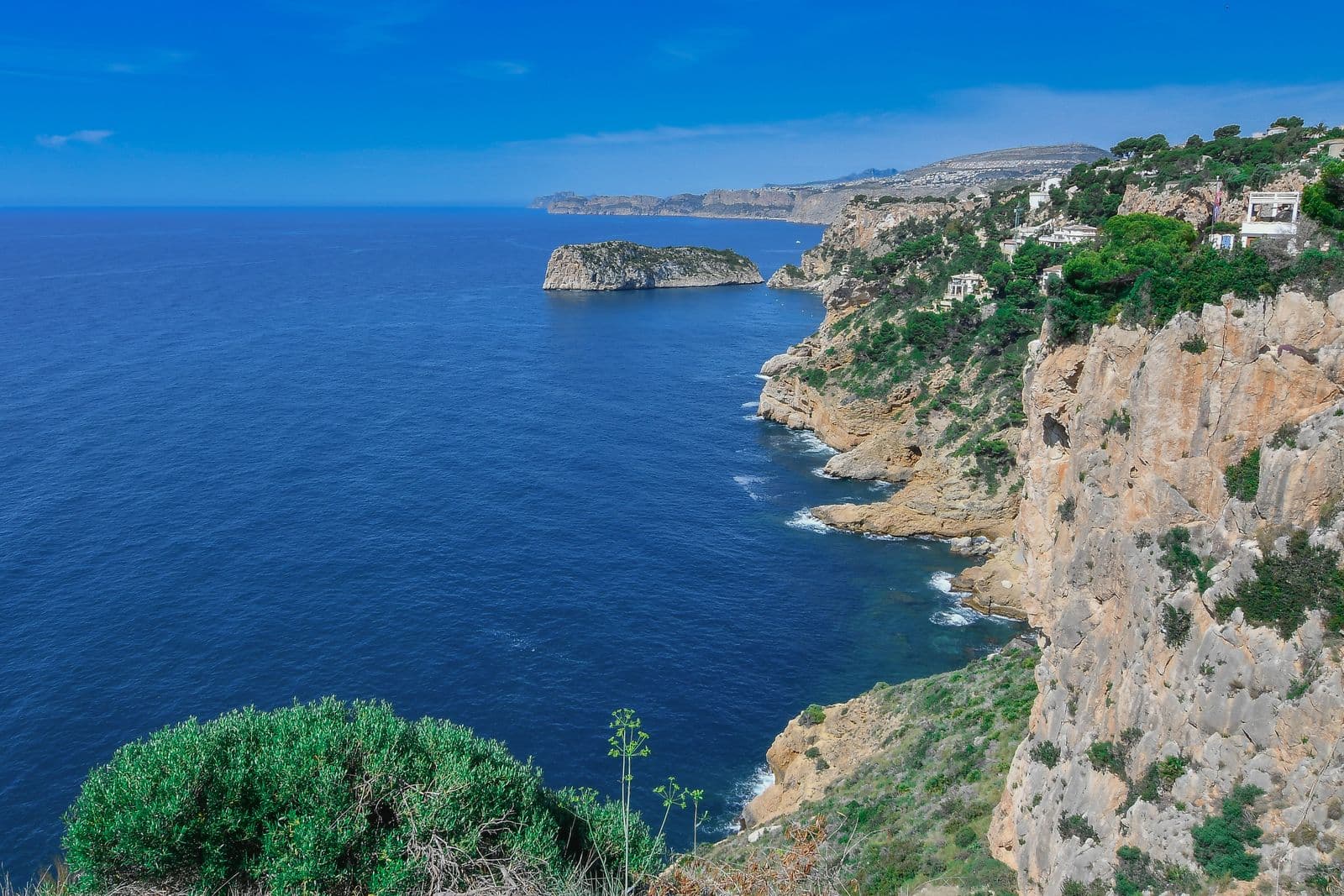
Paesi della Blanca settentrionale come Jávea e Moraira esistevano ben prima del turismo e conservano ancora l'aria della Spagna vera, con un accento internazionale. La fascia meridionale è stata costruita quasi interamente per vacanzieri e pensionati stranieri, e si sente. Nessuna delle due opzioni è sbagliata: sono per persone diverse.
Livelli di prezzo: fin dove arriva il budget
In media la Costa Blanca è nettamente più economica, e il divario non è sottile. La zona di Torrevieja offre alcuni dei prezzi più bassi per appartamenti costieri di tutta l'Europa occidentale, ed è esattamente per questo che i pensionati del nord Europa comprano lì da quarant'anni. Perfino i paesi premium del nord restano ben al di sotto di Marbella per una villa paragonabile.
Il sovrapprezzo della Costa del Sol è concentrato, non generalizzato. Marbella, Benahavís e Sotogrande fissano prezzi da fascia alta che reggono il confronto con la Costa Azzurra, e una casa simile può costare diverse volte di più sulla Golden Mile rispetto a una collina di Jávea. Basta allontanarsi da quel nucleo e il quadro cambia in fretta: da un decennio Estepona è la storia del rapporto qualità-prezzo del Sol occidentale, e Manilva, poco più in là, resta su valori pari a una frazione di quelli di Marbella.
In breve: con un budget stretto si compra più casa sulla Blanca. Con un budget medio sul Sol, conviene guardare ai margini, non al centro.
Clima: la Blanca è più secca di quanto si pensi
Sul calore invernale, il pareggio è quasi perfetto. Marbella è riparata dalla Sierra Blanca, che blocca i venti freddi da nord; la Costa Blanca settentrionale gode di una protezione simile grazie al massiccio del Montgó. Entrambe le coste offrono quegli inverni miti, da pranzo all'aperto a gennaio, che spingono gli europei del nord a scendere verso sud.
La differenza sta nelle piogge. La Costa Blanca meridionale è uno degli angoli abitati più aridi d'Europa, una fascia semi-desertica dove le saline di Torrevieja possono restare per settimane senza una nuvola anche d'inverno. La provincia di Málaga riceve circa il doppio delle precipitazioni annue, concentrate soprattutto in autunno. Ecco perché il Sol resta verde tutto l'anno mentre la Blanca meridionale appare già arsa a settembre. Molti acquirenti con problemi articolari o respiratori scelgono deliberatamente il microclima secco di Torrevieja, e questa fama ha decenni di storia.
Aeroporti e collegamenti: Alicante contro Málaga
Alicante-Elche è un colosso low cost con collegamenti fitti tutto l'anno verso Regno Unito, Irlanda, Germania, Scandinavia e Benelux. Torrevieja dista una quarantina di minuti dal terminal. Jávea e Moraira sono a oltre un'ora, il prezzo da pagare per la calma del nord, con l'aeroporto di Valencia come alternativa per l'estremo nord della costa.
Málaga è semplicemente un aeroporto più grande: più rotte, orari invernali più fitti, qualche volo intercontinentale stagionale verso Nord America e Golfo Persico, oltre all'alta velocità per Madrid a due passi. Marbella dista circa quaranta minuti, Estepona un'ora circa, e i proprietari di Sotogrande usano Gibilterra come ingresso discreto sull'altro lato. Per chi vola ogni mese, o affitta a ospiti che lo fanno, questa profondità di orari conta soprattutto a gennaio, quando entrambe le coste si svuotano ma Málaga si svuota meno.
Profili d'affitto: entrambe forti, con forme diverse
Luglio e agosto riempiono tutto su entrambe le coste. Le differenze emergono ai margini della stagione.
La Costa del Sol tira più a lungo. Il golf tiene occupate Marbella ed Estepona in primavera e autunno, i soggiorni lunghi d'inverno riempiono appartamenti che altrove resterebbero al buio, e Marbella sostiene un vero mercato di affitti brevi di lusso, dove una settimana di villa vale quanto una suite d'albergo. Una proprietà del Sol ben gestita può lavorare otto o nove mesi l'anno.
La Costa Blanca è più marcatamente stagionale, soprattutto a sud, dove il modello è il volume: unità economiche, estati piene, novembri silenziosi. Il compenso è il costo d'ingresso, perché un appartamento comprato a poco e riempito ogni estate può comunque produrre un rendimento lordo rispettabile. Più a nord, Jávea e Moraira attraggono una stagione familiare più lunga e ospiti fedeli che tornano, anche se gli inverni restano tranquilli.
Un avvertimento vale ovunque: gli affitti turistici richiedono una licenza sia nella Comunidad Valenciana sia in Andalusia, e i comuni di entrambi i litorali hanno inasprito le regole. Verifichi la situazione locale prima di comprare, non dopo. La nostra guida su come comprare casa in Spagna ripercorre i controlli da fare.
La Costa Blanca in tre paesi
Jávea
Il tuttofare della Blanca settentrionale: un centro storico conservato nell'entroterra, un porto peschereccio attivo e la spiaggia sabbiosa dell'Arenal con la sua fila di ristoranti, il tutto all'ombra del monte Montgó. Le ville sui pendii di pini ospitano una comunità internazionale che vive qui tutto l'anno, non solo ad agosto. Chi cerca la vera vita di paese spagnola con una rete di sicurezza in inglese trova qui il riferimento.
Moraira
Più piccola e tranquilla di Jávea, con una marina, una serie di calette rocciose e una pianificazione rigida a bassa densità che ha tenuto fuori i grattacieli. Dominano acquirenti belgi, olandesi e tedeschi, la maggior parte più interessata alla calma che alla vita notturna. I prezzi sono ai vertici della scala della Blanca, e il paese chiude praticamente a mezzanotte. Per molti proprietari, è proprio questo il punto.
Torrevieja
Il motore economico dell'immobiliare costiero spagnolo. Decine di migliaia di appartamenti compatti, una grande popolazione straniera residente tutto l'anno, i laghi salati rosa a due passi e ogni servizio che un espatriato possa desiderare. Non vincerà concorsi di bellezza. Offre il biglietto d'ingresso più basso e realistico al Mediterraneo, in un mercato dove la domanda, al prezzo giusto, non si ferma quasi mai.
La Costa del Sol in tre paesi
Marbella
Il nucleo premium, insieme alla vicina Benahavís e alle residenze private sulle colline retrostanti. La Golden Mile e Puerto Banús mantengono ciò che promettono: superyacht, beach club e il mercato dell'usato di lusso più profondo di Spagna, sostenuto da scuole internazionali e cliniche private che rendono praticabile viverci tutto l'anno. Il codice postale si paga caro, ma tiene il valore nelle crisi meglio di quasi qualsiasi altro punto della costa spagnola.
Estepona
Mezz'ora a ovest di Marbella, a lungo considerata la sua sorella minore più ragionevole. Il centro storico è stato restaurato strada per strada, il lungomare corre per chilometri, e i nuovi progetti si allineano lungo la strada costiera. Chi compra qui ottiene il clima e il litorale di Marbella con uno sconto netto, ed è per questo che Estepona torna sempre fuori quando si chiede ai residenti dove comprerebbero loro stessi.
Manilva
Il margine occidentale, con la marina di La Duquesa e vigneti collinari che quasi nessun visitatore nota. È la scommessa sul valore del Sol: lo stesso mare a una frazione del prezzo di Marbella, con un ritmo più tranquillo e sensibilmente più spagnolo. Il rovescio della medaglia sono infrastrutture più deboli e un mercato dell'usato più lento, quindi conviene comprare qui per viverci, non per rivendere.
Quattro compratori, quattro verdetti
Compri la costa che si adatta al suo martedì qualunque, non alla settimana migliore dell'anno. Una casa che userà dodici volte l'anno vale più di una cartolina che visita due volte.
Il pensionato con un budget definito
Costa Blanca, e non è nemmeno una gara. Il denaro va più lontano a ogni livello, il clima secco del sud è indulgente con le articolazioni che iniziano a farsi sentire, e paesi come Torrevieja costruiscono da decenni sanità, circoli e servizi pensati per i pensionati stranieri. Si vada a sud per il risparmio, a nord per il paesaggio.
Chi cerca una seconda casa per la famiglia
Meglio orientarsi sulla Blanca settentrionale. Jávea e Moraira offrono spiagge sicure, sere tranquille e più casa per lo stesso denaro, e ospiti estivi fedeli aiutano a coprire le spese di gestione. Scelga invece il Sol se la famiglia userà davvero primavera e autunno, perché lì la vita di mezza stagione è molto più vivace.
L'investitore puro
Costa del Sol. Una stagione più lunga, una domanda internazionale più profonda e un mercato di affitti di lusso più solido si traducono in entrate meglio distribuite e in una rivendita più semplice. Gli appartamenti economici della Blanca meridionale mostrano rendimenti lordi allettanti, ma alla vendita si troverà a competere con un'offerta enorme. Sul Sol punti su Estepona e sul corridoio occidentale, dove i prezzi d'ingresso lasciano ancora margine di crescita.
Il compratore di lusso
Marbella e Sotogrande, senza troppo dibattito. La Blanca ha case bellissime, ma le manca l'ecosistema che il denaro di fascia alta si aspetta: residenze firmate, hotel a cinque stelle, polo, scuole private e un mercato dell'usato abbastanza profondo da permettere un'uscita rapida. A questo livello, il Sol è di fatto l'unica risposta spagnola, fuori dalle grandi città e dalle Baleari.
Ancora indeciso? Guardi case vere, non mappe. Può sfogliare gli annunci attuali su entrambe le coste su HomeNSearch e vedere cosa compra davvero ogni budget prima di prenotare un viaggio di visita.
Domande frequenti
La Costa Blanca è più economica della Costa del Sol?
Sì, in media chiaramente. La Costa Blanca meridionale, intorno a Torrevieja, è tra i mercati costieri più economici dell'Europa occidentale, mentre Marbella e Sotogrande ancorano il segmento più caro di Spagna. Il divario si riduce confrontando la Blanca settentrionale premium con paesi periferici del Sol come Manilva.
Quale costa ha il clima migliore?
Sono molto vicine per calore invernale ed estivo. Il vero divario è nelle piogge: la Costa Blanca meridionale è semi-arida e resta secca quasi tutto l'anno, mentre la Costa del Sol riceve decisamente più pioggia, soprattutto in autunno, e appare più verde di conseguenza.
Quale costa è migliore per il reddito da affitto?
La Costa del Sol mantiene una stagione più lunga e ospita il mercato di affitti brevi di lusso più forte, quindi si presta a proprietari orientati al reddito. La Costa Blanca ha un picco marcato in estate, e i prezzi d'ingresso bassi al sud possono comunque far tornare i conti. In ogni caso, prima verifichi le regole sulla licenza turistica nel paese specifico.
Il processo d'acquisto è diverso tra le due coste?
No. I passaggi legali sono identici in tutta la Spagna: numero NIE, due diligence, rogito dal notaio, registrazione. I costi variano leggermente perché la Comunidad Valenciana e l'Andalusia fissano aliquote proprie dell'imposta di trasferimento, quindi conviene stimare il budget per regione prima di impegnarsi.